


Why Killing Haitians Is One of the Most Gripping True Survival Stories in Haiti—and the Travel Book You Won’t Be Able to Put Down

True survival stories in Haiti for Travel News

Some books help pass the time during a long flight. Others make the airport announcements, rolling suitcase wheels, and quiet conversations around you disappear completely. Killing Haitians: A Mission Through Hell & A Haitian Love Story belongs to the second group.

Written by Max C. Sconyers Jr., the book recounts a thirty-day journey through Haiti that became far more dangerous than an ordinary trip abroad. Sconyers describes being held at gunpoint, kidnapped, injured, rescued, and confronted with violence that continued to affect him after he returned home. The result is a firsthand account of survival, human connection, personal failure, fear, and the lasting consequences of entering a place without fully understanding what may be waiting there.

For travelers who enjoy memoirs, international stories, real-life suspense, and books that reveal more than a polished version of a destination, Killing Haitians offers an intense reading experience. It is not a cheerful guidebook filled with restaurant recommendations and postcard photographs. It is a raw account of what can happen when a journey leaves the expected path and becomes a struggle to stay alive. 📖✈️

A Travel Story That Refuses to Feel Predictable

Many travel books follow a comfortable rhythm. The writer arrives in an unfamiliar place, experiences a little culture shock, meets interesting people, eats unfamiliar food, and returns home with a collection of amusing memories. Killing Haitians moves in a different direction.

The tension comes from knowing that the events were not designed by a novelist. Sconyers was not a fictional hero protected by a carefully planned ending. He was a traveler whose circumstances could change in a matter of seconds. A wrong decision, a misunderstanding, or an encounter with the wrong person could produce consequences that could not be reversed.

That uncertainty gives the book its urgency. The danger does not feel like a dramatic decoration added to make the story more exciting. It feels unstable, personal, and close. The reader understands that survival may depend on choices made under pressure, the actions of strangers, and moments of compassion that arrive when they are least expected.

Readers searching for True survival stories in Haiti will find more than a sequence of frightening incidents. They will find an account shaped by vulnerability, imperfect judgment, emotional turmoil, and the realization that a person can lose control of a situation much faster than expected.

Haiti Is More Than a Background for the Story

Haiti is often discussed through brief headlines about political unrest, natural disasters, poverty, humanitarian emergencies, and violence. Those subjects are part of the country’s modern history, but they do not represent the whole of Haiti or the lives of its people.

The nation occupies the western portion of Hispaniola, an island it shares with the Dominican Republic. Its history includes revolution, independence, foreign intervention, cultural achievement, political upheaval, and generations of resilience. Readers who want broader historical and geographic context can explore Wikipedia’s overview of Haiti before or after reading the book.

In Killing Haitians, Haiti is not presented as an empty stage where one visiting American experiences danger. The story includes Haitian individuals, families, relationships, acts of courage, suffering, kindness, and contradiction. The country contains people capable of violence, people willing to help, and people simply trying to survive circumstances that outsiders may never completely understand.

That human complexity matters. A weaker survival story would reduce an entire nation to a frightening setting. Sconyers’ account carries greater weight because the journey includes affection and connection alongside fear and brutality. The subtitle, A Mission Through Hell & A Haitian Love Story, reflects that tension. Darkness and tenderness exist within the same narrative.

The Firsthand Perspective Gives the Book Its Power

News reports can summarize a kidnapping in a few sentences. Statistics can record crime, unrest, injuries, and deaths. Neither can fully communicate the feeling of standing near a weapon, losing control of one’s movement, or waiting without knowing what another person plans to do.

Firsthand writing closes some of that distance. It allows readers to experience the confusion before the danger becomes obvious. It captures the physical reactions, rushed decisions, misplaced confidence, and details that may appear insignificant until the situation becomes threatening.

Sconyers does not present himself as an untouchable adventurer who handled every crisis perfectly. His account is more uncomfortable than that. He entered Haiti while already dealing with internal turmoil, and his state of mind traveled with him. His weaknesses, intentions, decisions, and relationships all became part of what happened.

That honesty strengthens the book. Perfect heroes often feel distant because most readers know they would not behave perfectly in a crisis. A flawed narrator creates a different kind of connection. Readers can recognize how confusion, stress, pride, fear, or desperation might influence their own decisions.

The story also shows that physical survival does not always create an immediate emotional ending. A person may escape danger while continuing to carry guilt, grief, anger, fear, and unwanted memories. The body returns home, but the mind may remain attached to what happened.

A Compelling Book for Long Flights and Unfamiliar Places

Travel creates a rare kind of reading time. A passenger may spend several uninterrupted hours on a plane, train, cruise ship, or bus. Hotel evenings can also become quiet stretches of time without the usual responsibilities waiting at home.

Killing Haitians fits those moments because it develops momentum quickly. The reader is not simply observing a distant event. The story creates the sensation of moving through an unstable environment where safety can disappear without warning. That tension makes it easy to continue from one chapter to the next.

Reading it during a trip also gives the story an added layer of meaning. Airports, passports, hotel rooms, foreign roads, and unfamiliar faces stop feeling like ordinary pieces of a vacation. They become reminders that travel always contains an element of uncertainty, even when a journey has been carefully planned.

Responsible travel begins long before boarding. International travelers can review identification, visa, passport, and health requirements through the IATA Travel Centre. Air passengers can also use the Transportation Security Administration’s travel tips to prepare for airport screening, baggage restrictions, identification requirements, and other parts of the departure process.

Those resources deal with the practical side of travel. Killing Haitians explores something a checklist cannot fully address: the emotional reality of losing control in an unfamiliar country.

The Book Encourages Travelers to Take Preparation Seriously

A gripping survival memoir can entertain readers while still leaving them with practical lessons. One of the clearest lessons in Killing Haitians is that good intentions do not guarantee safety. Enthusiasm, confidence, charitable motives, religious purpose, or curiosity cannot replace preparation.

Conditions can change, especially in destinations affected by unrest, limited infrastructure, crime, severe weather, health emergencies, or political instability. Travelers should rely on current information rather than memories, assumptions, social media posts, or outdated travel articles.

The U.S. Department of State’s Haiti Travel Advisory should be reviewed by American citizens considering travel to the country. As of July 10, 2026, the department maintained Haiti at Level 4, advising Americans not to travel because of risks that include kidnapping, crime, terrorism, unrest, and limited health care.

Health planning is equally important. The CDC’s Haiti Traveler View provides destination-specific information concerning vaccines, medicines, disease prevention, food and water precautions, insect protection, and medical preparation. The CDC currently recommends that travelers to Haiti discuss prescription medicine for malaria prevention with a medical professional.

Travelers returning to the United States can also consult U.S. Customs and Border Protection’s Know Before You Go guide for information about documents, declarations, prohibited items, and returning with purchases from abroad.

These links are not included to turn a book review into a warning manual. They reinforce one of the memoir’s lasting ideas: international travel deserves humility. Preparation cannot eliminate every danger, but it can prevent avoidable mistakes and help travelers make decisions based on reliable information.

The Story Connects Personal Survival With Global Travel Awareness

Modern travel is influenced by more than airline schedules and hotel prices. Political developments, public health conditions, border policies, natural disasters, security concerns, and economic changes can reshape tourism quickly.

Readers who follow international travel developments can find broader industry reporting through UN Tourism’s news center. Its coverage offers insight into global tourism patterns, destination development, policy changes, sustainability, and the events influencing how people move across borders.

That wider perspective makes a memoir like Killing Haitians especially relevant. Travel is often marketed as effortless freedom. Advertisements show empty beaches, smiling residents, luxury accommodations, and simple adventures. Those images may be real, but they represent only one part of international movement.

Every destination has layers that visitors may never see. Local residents experience political, economic, cultural, and social realities that tourists can easily overlook. A traveler may arrive with money, mobility, and the expectation of returning home, while the people encountered along the way remain inside the conditions the visitor briefly witnessed.

Sconyers’ experience removes the protective distance that travelers often feel. He enters situations where the usual advantages of being a visitor cannot guarantee his safety. The journey forces him to depend on other people and confront realities that cannot be reduced to a vacation photograph.

More Than a Story About Escaping Physical Danger

The most memorable survival books do more than describe how someone escaped. They examine what the experience revealed about the survivor.

Killing Haitians gains depth from the conflict between external danger and internal struggle. The violence and kidnapping create immediate suspense, but the emotional and spiritual consequences give the story its staying power. Survival becomes more than reaching a safe location. It includes the difficult process of understanding what happened and deciding how to live with it.

The book also explores the complicated role of human connection. Rescue rarely occurs in isolation. Someone must notice, intervene, take a risk, offer information, provide shelter, or choose compassion. In dangerous situations, another person’s decision may become the dividing line between life and death.

This human element prevents the story from becoming a simple collection of shocking scenes. The account includes fear, but it also includes affection. It contains violence, but it also contains help. It records terrible losses while recognizing the people whose actions made survival possible.

That balance is difficult to achieve. Too much emphasis on danger can make suffering feel sensationalized. Too little detail can weaken the emotional truth. Sconyers’ story remains compelling because the events are connected to their personal cost.

A Travel Read That Stays With You After the Trip

The best travel books continue working on the reader after the suitcase has been unpacked. They change the way a person thinks about borders, strangers, risk, privilege, preparation, and the meaning of home.

Killing Haitians may cause readers to approach future trips with greater awareness. It encourages respect for local conditions, careful research, attention to official guidance, and a willingness to recognize that visitors rarely understand a country as completely as its residents do.

At the same time, the book provides the momentum readers expect from a thriller. There are weapons, uncertainty, injury, captivity, rescue, and consequences. The difference is that these events belong to a firsthand account rather than an invented plot.

That combination makes the book well suited for travelers who want something more substantial than a light airport novel. It offers suspense without separating danger from its emotional cost. It introduces readers to a complicated journey without pretending that one person’s experience defines an entire nation. It also leaves room for faith, love, regret, compassion, and personal reckoning. 🌍

Conclusion

Why Killing Haitians Is One of the Most Gripping True Survival Stories in Haiti—and the Travel Book You Won’t Be Able to Put Down is more than an attention-grabbing description. It reflects what makes Max C. Sconyers Jr.’s account so difficult to set aside.

The book places readers inside a thirty-day journey marked by gunpoint encounters, kidnapping, injury, violence, rescue, and unexpected human connection. It also looks beyond those events to consider what survival does to the mind, the spirit, and the way a person understands the world afterward.

For readers drawn to international memoirs, real-life thrillers, Christian social themes, dangerous journeys, and stories of imperfect people facing extreme circumstances, Killing Haitians: A Mission Through Hell & A Haitian Love Story offers an unforgettable experience.

It is the kind of book that can fill the hours of a long flight while making the reader more aware of what travel truly involves. By the final page, Haiti no longer feels like a distant name on a map, danger no longer feels like an abstract headline, and survival no longer seems as simple as making it home alive.
Travel Trailer Wash Guide: How to Keep Your Camper Clean, Road-Ready, and Vacation-Worthy

Trailer Wash for Travel News

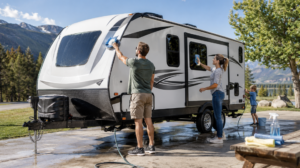
A travel trailer is more than something you tow behind your vehicle. It is your mobile cabin, your weekend getaway, your road-trip headquarters, and sometimes the difference between an ordinary vacation and a memory your family talks about for years. But every mile on the road leaves a mark. Dust, bugs, tree sap, rain streaks, campground grime, road salt, pollen, and sun exposure can all make a beautiful camper look tired long before its time.

That is why regular washing matters. A clean camper is not just about appearance. It protects the finish, helps prevent long-term damage, makes inspections easier, and keeps your trailer looking ready for the next adventure. In a travel world where road trips, RV camping, and flexible vacation planning continue to be part of the larger tourism conversation covered by outlets like Associated Press travel and tourism news, taking care of your camper is part of taking care of the travel lifestyle itself.

This guide walks through how to wash your travel trailer the right way, how often to clean it, what areas need extra attention, and how to keep your camper road-ready and vacation-worthy all season long. 🧽

Why Travel Trailer Washing Matters

Travel trailers are exposed to tough conditions. Unlike a vehicle that may spend most of its time in a garage, a camper often sits outside for weeks or months at a time. It gets hit with ultraviolet rays, rain, bird droppings, leaves, sap, mud, insects, and airborne pollutants. When you drive, the trailer also collects road film, brake dust, tar, and debris from highways.

If that buildup stays on the surface too long, it can dull the finish and make cleaning more difficult later. Streaks can become stubborn. Bugs can bake into the front cap. Dirt can settle into seams and trim. Roof grime can wash down the sides and leave dark trails after every rainstorm.

A consistent wash routine helps protect the trailer’s exterior and preserve its value. Clean surfaces are easier to inspect, too. When your trailer is washed, it is easier to notice cracked sealant, loose trim, damaged decals, soft spots, rust, or early signs of water intrusion. That matters because small repairs caught early are usually less expensive than major repairs discovered too late.

Clean campers also create a better travel experience. When you pull into a campground, national park, or RV resort with a trailer that looks cared for, it simply feels better. It makes setup more enjoyable, photos look nicer, and the whole trip feel more organized from the start.

How Often Should You Wash a Travel Trailer?

How often you wash your travel trailer depends on how often you travel, where you store it, and what kind of conditions it faces. A trailer that is used every weekend during summer will need more frequent cleaning than one used a few times a year. A camper stored under trees may collect sap, leaves, and bird droppings faster than one stored under a covered structure. A trailer used near the coast may need extra attention because salty air can be hard on exterior surfaces and metal components.

As a general rule, it is smart to wash your camper before the travel season begins, after long road trips, after exposure to mud or salt, and before storing it for an extended period. If the trailer sits outside, a monthly rinse or light cleaning during peak pollen or storm season can help keep buildup from becoming a bigger problem.

Travel habits are always changing, and resources like U.S. Travel Association News & Commentary show how important road travel, leisure travel, and domestic tourism remain to the broader travel industry. For trailer owners, that means maintenance is part of being ready when the next trip opportunity comes along.

Start With the Right Cleaning Supplies

Before washing your camper, gather supplies that are safe for travel trailer surfaces. You will want a gentle cleaner made for RVs or trailers, a soft wash mitt or soft-bristle brush, microfiber towels, a hose with a spray nozzle, and a sturdy ladder or extension pole if needed. Avoid harsh household detergents, abrasive scrub pads, or cleaners that are not designed for painted, fiberglass, gel coat, vinyl, or aluminum surfaces.

This is also where choosing the right product makes a difference. A high-quality Trailer Wash can help remove road grime, bugs, dirt, and oxidation-related buildup while being designed for trailer and RV surfaces. Using a product made for this kind of cleaning is better than guessing with whatever soap happens to be in the garage.

Work in the shade whenever possible. Direct sunlight can cause soap to dry too quickly, leaving streaks or spots. If the trailer is hot from sitting in the sun, give it time to cool before washing. Start with a thorough rinse to loosen dirt and reduce the chance of scratching the surface when you begin scrubbing.

Clean From the Top Down

The best way to wash a travel trailer is from the top down. The roof is usually the dirtiest part of the camper because it catches everything first. Dust, leaves, pollen, branches, bird droppings, and standing water can all collect there. When it rains, that grime flows down the sides and creates streaks.

If it is safe to access your roof, rinse it first and clean it according to the roof material and manufacturer recommendations. Some trailer roofs are rubber, some are fiberglass, and others may have specialty coatings. Do not use products that could damage the roof membrane or seals. Be careful around vents, skylights, antennas, solar panels, and air conditioning units.

After the roof, wash the front cap. This area takes the biggest hit from bugs, road debris, and wind-driven grime. Let the cleaner dwell for a short time if needed, but do not let it dry. Use a soft mitt or brush and rinse thoroughly. Then move to the sidewalls, rear panel, windows, storage doors, steps, wheels, and lower trim.

Cleaning in sections helps prevent soap from drying before you rinse. A good pattern is to wash one side at a time, working from high areas down to lower areas. This keeps dirty water from running over areas you have already cleaned.

Pay Attention to Seams, Trim, and Decals

Travel trailers have many seams, seals, edges, and trim pieces. These areas collect grime easily and are also important for keeping water out. While washing, look closely around windows, doors, roof edges, marker lights, slide-outs, vents, storage compartments, and corner trim.

Do not blast seals with a high-pressure washer. Too much pressure can force water behind trim or into areas that are supposed to stay sealed. A regular hose, gentle spray, and soft brush are usually safer. If you do use a pressure washer, keep the pressure low, use a wide spray pattern, and avoid spraying directly into seams, vents, decals, or weather stripping.

Decals need gentle care. Scrubbing too aggressively can lift edges or fade already aging graphics. Use mild products, soft tools, and plenty of water. If decals are cracked or peeling, washing gives you a chance to spot the problem before it gets worse.

This kind of attention to detail is similar to how experienced travelers follow broader travel updates from trusted sources like Reuters before making plans. A little information ahead of time helps prevent bigger problems later.

Do Not Forget the Awning

The awning is one of the most overlooked parts of a travel trailer wash. It provides shade, comfort, and extra outdoor living space, but it also collects dirt, mildew, tree debris, and moisture. If it is rolled up dirty or damp, odors and stains can develop.

Extend the awning fully and rinse both sides if possible. Use a cleaner appropriate for awning fabric and gently scrub stained areas. Let the awning dry completely before retracting it. This step is especially important before storing the trailer.

A clean awning makes camping feel fresher right away. When you arrive at a campsite and roll out a bright, clean awning, your outdoor space feels more inviting. Add a couple of chairs, a clean mat, and a small table, and your camper starts feeling like a vacation home on wheels. 🌲

Wash the Wheels, Tires, and Undercarriage Areas

While the exterior walls get most of the attention, the wheels and lower areas of the trailer deal with some of the harshest grime. Road film, mud, salt, grease, and brake dust can all collect near the wheels and undercarriage. Keeping these areas clean helps your trailer look better and makes it easier to inspect tires, lug nuts, suspension parts, steps, stabilizers, and frame sections.

Use a separate brush or mitt for wheels and lower areas so you do not transfer gritty debris to the painted or fiberglass surfaces. Rinse thoroughly around the wheel wells and lower trim. If you have traveled through salted winter roads, beach areas, or muddy campgrounds, clean the undercarriage and lower frame areas as soon as practical.

Tires should also be checked while cleaning. Look for cracks, bulges, uneven wear, low tread, and proper inflation. Travel trailer tires age even when the trailer is not used often, so washing time is a good reminder to inspect them closely before the next trip.

Drying Helps Prevent Spots and Streaks

After rinsing, drying the trailer can make a big difference in the final appearance. Letting water air-dry may leave mineral spots, especially if you have hard water. Use clean microfiber towels, a soft drying towel, or a water blade made for vehicle surfaces. Work gently and avoid dragging dirt across the finish.

Dry around windows, trim, mirrors, handles, and storage compartments where water tends to hide. Open storage doors carefully and wipe around the edges. This helps prevent drips from running down the side later.

For campers with glossy finishes, drying also gives you a better look at the condition of the surface. You may notice dull areas, oxidation, fading, or spots that need extra care. If the finish looks chalky or faded, it may be time to consider additional restoration or protective products beyond a basic wash.

Protect the Finish After Washing

Once the trailer is clean and dry, consider adding protection. Depending on the surface, this may include wax, sealant, polish, or a finish-restoration system. Protection helps repel dirt, reduce streaking, improve shine, and make the next wash easier.

Travel trailers sit in the sun for long periods, so UV protection is important. Over time, sun exposure can fade decals, dull fiberglass, and dry out certain exterior materials. A clean, protected trailer not only looks better but may hold its value better, too.

Travelers who follow resources like National Geographic Travel often dream about beautiful destinations, scenic routes, and unforgettable places. But the journey is more enjoyable when your camper is ready for the road before you ever leave the driveway. Exterior protection is one of those quiet maintenance steps that pays off later.

Make Cleaning Part of Your Travel Routine

The easiest way to keep a camper clean is to make washing part of your travel routine instead of waiting until the trailer looks terrible. A quick rinse after a long drive can remove bugs and road grime before they harden. Wiping down the front cap soon after arriving home can save a lot of scrubbing later. Cleaning before storage helps prevent stains from sitting for months.

It helps to keep a small cleaning kit in the trailer. Include microfiber towels, a gentle cleaner, a collapsible bucket, a soft brush, gloves, and a few trash bags. That way, if you pick up bugs, mud, or tree sap during a trip, you can handle small messes before they become permanent stains.

This kind of preparedness fits the modern travel mindset. With travel trends, tourism updates, and destination coverage constantly appearing through sources like Travel Weekly and Skift, travelers are planning smarter and expecting more from every trip. A clean, well-maintained trailer supports that same mindset by helping you travel with confidence.

Storage Tips for a Cleaner Camper

Where and how you store your travel trailer affects how often it needs washing. Covered storage is ideal because it protects the camper from sun, rain, leaves, bird droppings, and airborne debris. If covered storage is not available, try to park away from trees that drop sap, berries, branches, or heavy pollen.

A breathable RV cover can help, but it must fit properly and be used correctly. A poor-fitting cover can rub against the finish in windy weather. Trapped moisture can also create problems. Before covering your camper, wash and dry it thoroughly. Never cover a dirty trailer for long-term storage because dirt can grind into the surface.

During storage, check the trailer periodically. Remove leaves from the roof, inspect for pests, look for water pooling, and keep an eye on seals. A few minutes of attention during the off-season can make spring cleaning much easier.

Why a Clean Trailer Improves the Whole Vacation

A clean travel trailer changes the way a trip feels. When your camper is washed, stocked, inspected, and ready, leaving home is less stressful. You are not rushing to scrub bugs off the front cap, wondering if the roof is dirty, or noticing black streaks as you pull into the campground.

Cleanliness also supports safety. Washing gives you a reason to inspect lights, tires, windows, compartments, hitch areas, roof seals, and exterior hardware. It turns simple cleaning into preventive maintenance.

Travel itself is about movement, discovery, and experience. As Wikipedia’s tourism overview explains, tourism includes travel for leisure, business, and other purposes away from someone’s usual environment. For travel trailer owners, the camper becomes part of that experience. It is not just transportation or lodging. It is the base camp for the memories you are creating.

Conclusion: Keep Your Camper Ready for the Next Adventure

A travel trailer does not need to look brand-new forever, but it should look cared for. Regular washing protects the finish, helps prevent long-term damage, improves resale value, and makes every trip feel a little more special. From the roof to the wheels, from the awning to the decals, every part of your camper deserves attention.

The best approach is simple: rinse often, wash with the right products, work from top to bottom, dry carefully, inspect as you clean, and protect the finish when needed. Do that consistently, and your camper will be easier to maintain, better looking at the campground, and more enjoyable every time you hit the road.

Whether you are heading to a quiet lake, a national park, a beach campground, a mountain overlook, or a family-friendly RV resort, your travel trailer should be clean, road-ready, and vacation-worthy. A little care before and after each trip helps keep the adventure rolling. 🌎🚐

Why Concealed Carry Clothing Belongs in Every Woman’s Travel Bag

Travel News for concealed carry clothing

Traveling should feel exciting, refreshing, and empowering. Whether a woman is heading out for a weekend getaway, a business conference, a family visit, or a solo hotel stay, she deserves to feel prepared from the moment she leaves home until the moment she returns. Travel brings freedom, but it also requires awareness. Between airports, parking garages, rideshare pickups, hotel lobbies, elevators, unfamiliar hallways, and late-night check-ins, women often have to think through safety in ways that many people overlook.

That is why concealed carry clothing belongs in every woman’s travel bag. It is not about fear. It is about preparation, confidence, and having practical options when moving through unfamiliar places. The right travel clothing can help women keep personal protection tools discreet, accessible, and secure without sacrificing comfort or style.

Modern travel safety is about more than locking a hotel room door or keeping an eye on a purse. The safest travelers plan ahead, pay attention to their surroundings, understand local laws, and choose gear that supports their personal safety routine. For women who legally carry, purpose-built apparel can make travel more comfortable, more organized, and less stressful.

Travel Safety Starts Before the Hotel Check-In

A hotel stay begins long before a woman walks through the lobby doors. It starts while packing, reviewing the destination, planning transportation, and thinking through the small moments where safety matters most. The U.S. Department of State’s Travel Advisories are a reminder that smart travelers should pay attention to destination-specific risks, local conditions, and security recommendations before they go. Even for domestic travel, that same mindset applies.

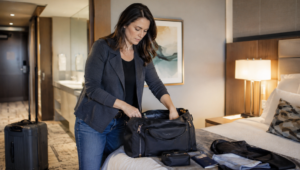
For women traveling alone, arriving late, or staying in an unfamiliar area, clothing choices can be part of the overall safety plan. A hotel may look safe online, but the surrounding parking lot, lobby traffic, elevator access, and hallway layout can feel very different in person. A woman may need both hands free while carrying luggage, managing a phone, holding a room key, or walking from a parking garage to the front desk. Traditional purses and bags can become inconvenient, distracting, or easy to misplace during those moments.

Purpose-designed carry apparel can reduce that problem by helping keep important personal items close to the body instead of in a separate bag. For women who legally carry a firearm or other self-defense tools, this kind of clothing can add a practical layer of preparedness. It allows the traveler to move more naturally without constantly adjusting a purse, digging through a tote, or worrying that a bag is out of reach.

Why Hotel Environments Require Extra Awareness

Hotels are unique because they are public and private at the same time. The lobby, breakfast area, elevators, parking lots, conference spaces, and hallways may be used by guests, employees, visitors, delivery drivers, and people who are not staying there at all. A traveler may feel secure once she has a room, but she still has to move through semi-public spaces to get there.

Women often face vulnerable moments during hotel travel. These moments can include walking alone from the parking lot, checking in while distracted by luggage, waiting for an elevator with strangers, finding a room at the end of a quiet hallway, or leaving early in the morning before the property feels fully active. None of these situations automatically means danger, but they do call for awareness.

The FBI has issued public travel safety reminders encouraging travelers to remain vigilant, review destination advisories, and use caution while away from home through resources such as its spring break travel safety precautions. That kind of awareness applies far beyond spring break. It is a useful mindset for any woman traveling for business, vacation, family obligations, or personal time.

The goal is not to appear guarded or anxious. The goal is to be prepared in a calm, quiet, practical way. Clothing that supports personal safety helps women avoid drawing unnecessary attention while still keeping important tools secure and close.

Comfort Matters When Safety Gear Has to Travel With You

Many women stop carrying personal safety tools consistently because the setup is uncomfortable. A purse can be heavy. A waistband holster may not work with every outfit. Travel days can involve hours of sitting, walking, standing in lines, and moving between warm and cold environments. If a safety setup is uncomfortable, it is more likely to be left behind.

That is where travel-friendly apparel makes a difference. A woman can choose clothing designed to work with her body, her movement, and her schedule. Comfortable concealment is especially important while traveling because the day often includes changing environments. A woman may go from a car to a hotel lobby, from a lobby to a restaurant, from a restaurant to an elevator, and from an elevator to a room. She may be wearing leggings, jeans, a casual jacket, or layered clothing depending on the trip.

The right apparel can make legal carry feel more natural instead of awkward. It can also help women avoid common travel mistakes such as leaving a self-defense tool inside a handbag, setting the bag down at check-in, hanging it on a chair, or placing it out of reach in a hotel room.

Responsible Carry Requires Knowing the Rules

Any conversation about travel and personal protection must include responsibility. Laws vary widely by state, city, property, and mode of transportation. Women who legally carry need to understand the rules before traveling, especially when crossing state lines, entering airports, staying at certain hotels, attending events, or visiting places where firearms are prohibited.

The Transportation Security Administration provides clear guidance on transporting firearms and ammunition for air travel, including requirements that firearms must be unloaded, locked in a hard-sided container, declared to the airline, and transported in checked baggage only. Women who travel by plane should never assume that everyday carry rules apply inside airports or aircraft.

Responsible preparation also means researching local concealed carry laws, reciprocity agreements, and private property rules. Travel safety is strongest when confidence is paired with compliance. The best safety plan is one that protects the traveler while respecting the law everywhere she goes.

Discretion Can Help Women Move With Confidence

For many women, one of the biggest benefits of carry-focused apparel is discretion. Travel already creates enough visibility. A woman may be managing luggage, checking maps, dealing with delays, and moving through places where she does not know the layout. She may not want her personal safety choices to be obvious to everyone around her.

Discreet clothing can help keep the focus off the traveler’s gear and on her movement. That is important because confidence often comes from not having to constantly adjust, hide, or explain what she is carrying. When clothing is designed for secure concealment, the woman can focus on getting from one place to another safely and calmly.

Discretion also matters inside hotels. A traveler may not want to announce that she is alone. She may not want to draw attention while entering her room. She may not want a purse or bag to reveal anything about her valuables or safety tools. Quiet preparation is often the most practical form of preparation.

Travel Safety Is About Layers, Not One Single Tool

Concealment apparel should be viewed as one part of a larger travel safety system. It is not a replacement for awareness, hotel research, smart parking choices, door locks, room selection, or communication with trusted contacts. The safest approach is layered.

Before traveling, women can review hotel locations, read recent guest comments, check maps, and understand the surrounding area. During travel, they can keep phones charged, avoid oversharing room numbers, use the deadbolt and security latch, and avoid opening the door for unexpected visitors. They can also keep important items organized so they are not distracted in public spaces.

Health and emergency readiness are also part of the travel safety picture. The CDC’s Travel Health Notices provide updates about health risks, outbreaks, and travel-related precautions around the world. A woman packing for a trip should think beyond clothing alone and consider medication, emergency contacts, travel documents, weather, transportation, and destination-specific concerns.

A strong travel safety plan does not rely on panic. It relies on thoughtful preparation.

Scams, Distractions, and Travel Risks Are Part of the Bigger Picture

Not every travel risk is physical. Some risks involve scams, theft, fake bookings, phishing messages, or fraudulent travel offers. The Federal Trade Commission shares guidance on how to avoid scams when you travel, including being cautious with rushed offers, unclear refund policies, and suspicious payment requests.

This matters because distraction is one of the biggest enemies of personal safety. When a traveler is stressed about a reservation problem, looking down at a phone, arguing with a rideshare app, or searching through a bag for documents, she may be less aware of what is happening around her. Clothing that keeps essentials secure and close can help reduce some of that distraction.

A woman’s travel bag should support her, not slow her down. The more organized and prepared she is, the easier it is to move confidently through airports, hotels, restaurants, gas stations, and parking lots.

Preparedness Is Practical, Not Extreme

Some people misunderstand personal safety planning as extreme. In reality, women make safety decisions every day. They choose where to park. They avoid certain stairwells. They share their location with family. They check the back seat of a car. They hold keys in hand. They avoid opening hotel room doors without verifying who is there. These behaviors are not dramatic. They are practical.

Preparedness simply means making thoughtful choices before a problem happens. The federal emergency preparedness resource Ready.gov encourages people to plan ahead for unexpected events, and the same principle applies to personal travel. A prepared traveler does not assume something bad will happen. She simply makes sure she is not helpless if something does.

For women who legally carry, clothing is part of that preparedness. It can make the difference between leaving a tool behind because it is inconvenient and carrying it responsibly because the outfit supports it. It can also help women feel less dependent on a purse or bag, especially in hotels where bags are often set down, moved around, or left across the room.

Why It Belongs in the Travel Bag

Every woman’s travel bag should include items that help her feel safe, capable, and ready. That might include a phone charger, portable battery, flashlight, door stop alarm, emergency contact list, medication, copies of documents, and clothing that supports her safety routine. Carry apparel belongs in that same category for women who legally use it.

It is especially useful for hotel stays because hotels involve transitions. A woman is often moving between public spaces and private spaces, between parking lots and rooms, between elevators and hallways, between daywear and sleepwear, and between comfort and alertness. The right apparel can help her stay prepared during those transitions without looking out of place.

Travel warnings, advisories, and safety systems exist because travel conditions can change. Wikipedia’s overview of a travel warning explains that these advisories are official notices meant to help travelers make informed decisions and prepare for potential risks. While a hotel stay may feel routine, the same principle still applies. Informed travelers are better prepared travelers.

Conclusion

Women should be able to travel with confidence, dignity, and peace of mind. A good hotel, a nice destination, or a familiar route does not remove the need for preparation. Personal safety is not about expecting danger everywhere. It is about refusing to ignore the realities of travel.

For women who legally carry, travel-friendly concealed apparel can provide comfort, discretion, organization, and confidence. It helps keep important tools close without depending entirely on a purse or bag. It supports movement through hotels, parking areas, elevators, hallways, and unfamiliar spaces. Most importantly, it gives women another layer in a smart, responsible safety plan.

Every woman’s travel bag should be packed with purpose. Comfortable clothes, essential documents, chargers, health items, and safety tools all have a place. For women who value preparedness and legally carry, concealed carry apparel is not just another item to pack. It is a practical travel essential that can help her move through the world with greater confidence.

Hiking The Northern Coast Of California

California hiking


Enjoy a walk through beautiful forest-covered hills, hike through ancient lava cliffs, enjoying the coastal mountain ranges in a series of valleys, where stone slopes rise to coastal cliffs overlooking the great lake. You will not have to be a beach person to enjoy Point Conch in a beautiful series of beaches.

The place lies in between Baja within the Peninsula of Santa Cruz and Marin in Northern California, an hour’s drive north of San Francisco.

A tip I got from a friend who does lead generation and is an avid hiker and he said, “The honor of placing the Point Conch in a circle is still held by the Chumash Indians who lived in the area for thousands of years, even retaining royalty as long ago as twenty thousand years.”

The winds and surf experience in this region are powerful and enjoyable. Grand National spotted bald eagles roost in the northern sky, passing over the beaches huddled around the Point Conch. related to the strip of golden beaches is the northern coastline with numerous Grind staff trees, small creeks, streams and rivers. You may not be able to tour the north coast due to its restricted size, but the region is well worth the visit.

Many visitors to the West Coast including myself, forget to schedule a west coast hike into the lake. It is better to carry on up the Peninsula Trail in order to get to Lake Sonoma. The trail is extensive and may take two weeks to complete. But besides the fantastic hiking, the northern trail offers spectacular scenery.

Hikers will be enchanted on a wilder side when they wander over the wooden bridges supported on cast iron plates along the Peninsula Trail. These bridges may look antique now but are well over 100 years old.

The hiker’s route is through forests and slopes though there are still plenty of wildflowers to see. The trail to the point can be a challenge in itself, as it is harder than the average trail. Enthusiasts should try to visit the southern tip of the peninsula at Pack Creek. The seven-mile round trip will offer some fabulous views of the area.

To see the beaches you must venture south. This will take you through towering mountains and rugged coastline with stone cliffs and beaches. You need to be fit as there are many stairs and balanced on a very slippery beach. But don’t worry the beach is good for you too.

To see the full moon rise only about 45 minutes away you need to take the Golden Gate Scenic Drive. It is very beautiful heading south on the scenic route, passing the world class marine attraction at Marina horita. The best thing to see the full moonrise is from the south.

You need to allow about 4 hours to cross the Golden Gate Bridge. With lots of walking room this is a good option to overfunded groups. The bridge is 5600 feet long and goes 10 miles per hour.

To see all the points of interest along the way don’t forget to stop in for one of America’s most popular tourist drive. Save a day for this. It is well worth it.