

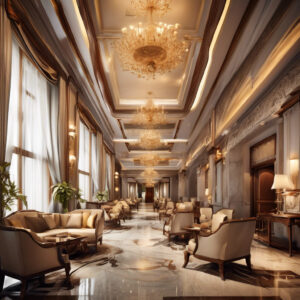
When it comes to designing and maintaining a hotel, every detail matters. From the lobby to the guest rooms, the flooring is one of the first things guests notice upon arrival. Flooring can set the tone for the hotel’s aesthetic while also playing a significant role in functionality and durability. This is why many hoteliers are turning to epoxy flooring—a modern, versatile solution that offers a range of benefits that cater specifically to the hospitality industry.
In this article, we will explore why epoxy flooring is an ideal investment for hotels. We’ll dive into its durability, aesthetic appeal, low maintenance, and cost-effectiveness, among other advantages. By the end, you’ll understand why epoxy flooring can elevate your hotel’s operations and guest experience.
The Importance of Flooring in Hotels
Flooring in hotels is more than just a surface to walk on; it’s an integral part of the guest experience and operational efficiency. Here are some key considerations:
First Impressions: The flooring is one of the first elements guests notice when they enter your hotel. Worn or outdated flooring can detract from an otherwise luxurious setting.
Durability: Hotels experience heavy foot traffic daily, from guests and staff to luggage carts and cleaning equipment. Flooring needs to withstand this constant use without showing signs of wear and tear.
Cleanliness: In the hospitality industry, cleanliness is non-negotiable. Floors must be easy to clean and resistant to stains to maintain a pristine appearance.
Safety: Slip-resistant surfaces are essential in preventing accidents and ensuring guest and staff safety.
With these factors in mind, choosing the right flooring becomes a strategic decision—and epoxy flooring checks all the boxes.
What is Epoxy Flooring?
Epoxy flooring is a type of surface that combines resin and hardener to create a seamless, durable, and highly resistant finish. When applied to concrete floors, the epoxy forms a hard, plastic-like surface that is both visually appealing and incredibly robust.
Epoxy flooring comes in various finishes, including:
Solid colors: For a clean, modern look.
Metallic finishes: To add a touch of luxury.
Textured surfaces: For improved grip and slip resistance.
Custom designs: Including logos, patterns, and colors that align with your hotel’s branding.
Its versatility and adaptability make epoxy flooring suitable for various areas within a hotel, from lobbies and corridors to kitchens and pool areas.
Benefits of Epoxy Flooring for Hotels
Durability and Longevity
Hotels are high-traffic environments. From bustling lobbies to busy hallways, the flooring must withstand constant use. Epoxy flooring is renowned for its durability and can handle:
- Heavy foot traffic
- Rolling luggage and carts
- Spills and stains
- Impacts and abrasions
Unlike traditional flooring materials like carpet or wood, epoxy does not wear down easily, meaning fewer repairs and replacements over time. This durability ensures a long-lasting investment, reducing overall costs.
Low Maintenance
Cleaning and maintaining a hotel can be a monumental task, especially in larger properties. Epoxy flooring simplifies this process:
Easy to clean: Spills can be wiped away effortlessly, and regular sweeping or mopping is all that’s needed.
Stain-resistant: The non-porous surface resists stains from spills, dirt, and grime.
Resistant to chemicals: Ideal for back-of-house areas like kitchens and laundry rooms, where cleaning agents and other chemicals are frequently used.
By reducing the time and effort required for maintenance, epoxy flooring allows hotel staff to focus on other critical tasks.
Aesthetic Versatility
A hotel’s design plays a crucial role in creating a memorable guest experience. Epoxy flooring offers unmatched aesthetic flexibility:
Customizable designs: Incorporate patterns, logos, or colors that reflect your hotel’s brand identity.
Luxurious finishes: Metallic and high-gloss options can add a sense of sophistication.
Seamless appearance: The smooth, joint-free surface creates a sleek and modern look.
Whether your hotel’s theme is contemporary, traditional, or eclectic, epoxy flooring can be tailored to complement your aesthetic vision.
Enhanced Safety
Safety is a top priority in the hospitality industry. Epoxy flooring can contribute to a safer environment for both guests and staff:
Slip resistance: Textured finishes can reduce the risk of slips and falls, even in areas prone to wetness, such as pool decks and kitchens.
Fire resistance: Epoxy is inherently resistant to fire, providing an added layer of safety.
Brightened spaces: High-gloss finishes reflect light, enhancing visibility in dimly lit areas.
Cost-Effectiveness
While the upfront cost of epoxy flooring may be higher than some alternatives, its long-term value is undeniable. Consider the following:
Durability: Fewer repairs and replacements save money over time.
Low maintenance: Reduced cleaning costs and efforts add up to significant savings.
Energy efficiency: Reflective surfaces can reduce the need for artificial lighting, lowering energy bills.
Investing in epoxy flooring is not just a design choice; it’s a financially sound decision.
Eco-Friendly Options
Sustainability is an increasing concern for modern travelers. Hotels that prioritize eco-friendly initiatives can benefit from epoxy flooring:
Low VOC options: Some epoxy products are designed with minimal volatile organic compounds, making them safer for the environment.
Longevity: Reduced need for replacement materials contributes to less waste.
By choosing sustainable epoxy options, hotels can align with eco-conscious values and appeal to environmentally aware guests.
Hygienic and Allergen-Free
Health and hygiene are critical in the hospitality industry. Epoxy flooring’s seamless and non-porous nature eliminates crevices where dirt, dust, and allergens can accumulate. This makes it ideal for:
- Guest rooms
- Dining areas
- Fitness centers
Moreover, its resistance to mold and bacteria growth ensures a healthier environment for guests and staff alike.
Applications of Epoxy Flooring in Hotels
Epoxy flooring’s versatility allows it to be used in various areas within a hotel, including:
Lobbies and reception areas: Create a stunning first impression with customized designs.
Hallways and corridors: Durable and easy to clean, ideal for high-traffic zones.
Guest rooms: Offer a sleek, modern aesthetic while being low maintenance.
Kitchens and dining areas: Chemical-resistant and hygienic for food preparation spaces.
Restrooms: Non-slip finishes ensure safety in wet conditions.
Pool decks and spa areas: Slip-resistant surfaces enhance guest safety.
Conference rooms and ballrooms: Customizable designs can match event themes and hotel branding.
Overcoming Common Misconceptions
Despite its many benefits, some hotel owners may have reservations about epoxy flooring. Let’s address a few common misconceptions:
“Epoxy is too industrial for hotels.” Modern epoxy options come in luxurious finishes and can be customized to suit upscale environments.
“It’s too expensive.” While the initial cost may seem high, the long-term savings on maintenance and replacements make it cost-effective.
“Installation takes too long.” Professional installers can work efficiently, and some fast-curing epoxy options minimize downtime.
By understanding these factors, hoteliers can make informed decisions about integrating epoxy flooring into their properties.
Conclusion
Epoxy flooring is a game-changer for the hospitality industry. Its durability, aesthetic versatility, low maintenance, and safety features make it an ideal choice for hotels looking to enhance their operations and guest experience. By investing in epoxy flooring, hotels can enjoy long-term cost savings, improved sustainability, and a polished appearance that leaves a lasting impression on guests.
In a competitive industry where details matter, epoxy flooring offers a practical and stylish solution. For hoteliers seeking to combine functionality with elegance, this innovative flooring option is well worth the investment.