
Dallas is not a quiet hospitality market. It is a city built on business travel, conventions, luxury experiences, sporting events, entertainment, restaurants, shopping, and fast-moving growth. From downtown hotels serving convention guests to boutique properties in walkable neighborhoods, Dallas hotels are competing for attention long before a guest ever walks through the front door.
That competition is not just about room rates anymore. It is about how a hotel feels the moment someone sees the lobby online, steps into the entrance, checks in at the front desk, relaxes in the lounge, works from a shared seating area, or posts a photo from the property. In a review-driven world, the interior of a hotel has become part of the guest experience, part of the marketing strategy, and part of the revenue conversation.
That is why Commercial Interior Design Dallas matters so much for hotels that want better reviews, more bookings, and happier guests. A strong hotel design does more than make a property look pretty. It helps create trust, comfort, flow, brand identity, and memorable moments that guests want to talk about.
Dallas has long been known as a major business and travel city, and its hospitality scene continues to evolve. With the city’s growth, convention activity, and visitor economy gaining attention from sources like Visit Dallas, hotel owners and operators have more reason than ever to treat interior design as a serious business investment instead of a cosmetic upgrade. 🏨
Dallas Hotels Are Competing in a Visual First-Impression Economy
Before guests book a room, they often scroll photos. They look at the lobby, guest rooms, restaurant, bar, lounge, bathrooms, pool areas, and meeting spaces. They compare properties quickly, sometimes in less than a minute. A hotel with dated lighting, bland furniture, poor layout, or uninspiring common areas can lose a booking before the guest ever checks availability.
This is especially important in Dallas because the city attracts many different types of travelers. Corporate visitors may care about comfortable workspaces, easy check-in, meeting areas, and a polished environment. Leisure travelers may care about style, restaurants, walkability, and photo-worthy spaces. Wedding guests, conference attendees, families, and luxury travelers all bring different expectations.
Hotel design helps bring those expectations together. A smart lobby can feel impressive without feeling cold. Guest rooms can feel elegant without becoming impractical. A restaurant or bar can feel stylish enough for locals while still serving hotel guests. Good design makes the property easier to understand, easier to enjoy, and easier to remember.
When guests remember the feeling of a hotel, they are more likely to leave positive reviews, recommend it to others, and return on a future trip.
Better Interior Design Can Lead to Better Hotel Reviews
Online reviews are emotional. Guests may mention the bed, the staff, the location, or the breakfast, but the tone of a review is often shaped by how the property made them feel. If the lobby feels welcoming, the room feels clean and modern, and the layout feels convenient, guests are more likely to describe the stay positively.
Interior design affects reviews in several ways. Lighting can make a hotel feel warm or harsh. Furniture can make a guest feel comfortable or inconvenienced. Wayfinding can make the hotel feel simple or confusing. Acoustics can make a lobby feel calm or chaotic. Materials can make a hotel feel high-end or cheaply renovated.
A guest may not use design language in a review, but they will describe the result. They may say the hotel felt “beautiful,” “comfortable,” “modern,” “cozy,” “clean,” “upscale,” or “relaxing.” Those words matter because future guests read them as proof.
Dallas hotel owners should pay close attention to this. As outlets such as The Dallas Morning News hotel section continue covering hotel-related development and hospitality changes in the region, it is clear that guests have more choices. When travelers have more options, reviews can become the deciding factor.
Good design gives guests more reasons to say good things.
More Bookings Start With a Stronger Brand Experience
A hotel is not just a building with rooms. It is a brand experience. Every design choice either supports that brand or weakens it.
A boutique hotel in Dallas may want to feel local, artistic, intimate, and distinct. A business hotel may need to feel efficient, professional, calm, and reliable. A luxury hotel may need to feel refined, layered, exclusive, and thoughtful. A family-friendly property may need durability, comfort, and easy navigation.
Commercial interior design helps translate that brand into physical space. The color palette, flooring, seating, lighting, artwork, reception desk, wall treatments, and room finishes all tell guests what kind of hotel they are experiencing.
This matters for bookings because travelers often choose hotels based on identity. They want to know what they are buying before they arrive. A clear design story helps guests understand the hotel faster. It makes the website photos stronger. It makes listings on booking platforms more appealing. It gives social media content more visual power.
Dallas is a city with a strong identity of its own. It has history, business energy, arts districts, shopping destinations, sports culture, and a growing luxury hospitality presence. Even the city’s background on Wikipedia’s Dallas page reflects how large and influential the city is. Hotels that connect their interior experience to the energy of Dallas can stand apart from generic properties that could be located anywhere.
The Lobby Is No Longer Just a Waiting Area
The hotel lobby used to be mostly functional. Guests entered, checked in, passed through, and went to their rooms. That has changed.
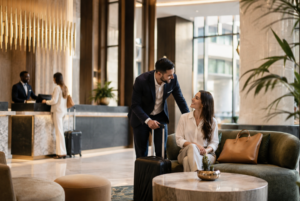
Today, the lobby is often a coworking space, coffee spot, lounge, social hub, informal meeting area, photo backdrop, and first impression all at once. In Dallas, where business travelers, event guests, and weekend visitors often overlap, the lobby has to work harder.
A well-designed lobby can increase guest satisfaction by making the arrival experience smoother. Clear pathways reduce confusion. Comfortable seating gives guests a place to wait, work, or gather. Better lighting improves the atmosphere. Integrated technology allows guests to charge devices and stay connected. Thoughtful furniture placement can make the space feel active without feeling crowded.
For hotels near major event areas, the lobby becomes even more important. The Kay Bailey Hutchison Convention Center Dallas welcomes large numbers of visitors for conventions, meetings, concerts, athletic competitions, and major events. Hotels serving these guests need public spaces that can handle traffic while still feeling polished and comfortable.
A boring lobby is a missed opportunity. A well-designed lobby can become one of the hotel’s strongest selling points.
Dallas Hotel Guests Expect Function and Style
Beautiful design is not enough if the space does not work. Hotel guests want style, but they also want convenience. They want easy check-in, enough outlets, comfortable seating, quiet sleeping areas, good bathroom lighting, practical storage, clean finishes, and spaces that make sense.
This is where experienced commercial interior design becomes valuable. Hotels are high-use environments. Furniture gets heavy traffic. Floors must handle luggage, spills, cleaning, and constant movement. Fabrics must be attractive but durable. Lighting must look good in person and in photos. Public spaces must support guests, staff, housekeeping, food service, events, and maintenance.
In other words, hotel design must balance beauty with operations.
A chair may look great but fail if it is uncomfortable. A lobby may look dramatic but fail if guests cannot find the front desk. A room may look modern but fail if there is nowhere to open a suitcase. A bathroom may look luxurious but fail if the lighting makes grooming difficult.
The best hotel interiors solve problems guests may never consciously notice. When design is done well, the entire stay feels easier.
Design Helps Hotels Stand Out in a Growing Dallas Hospitality Market
Dallas continues to attract attention as a hotel development market. Industry publications such as Hotel Management have reported on Dallas hotel construction activity, showing how competitive the hospitality landscape has become. More supply means hotels cannot rely on location alone.
New hotels often arrive with modern amenities, fresh branding, updated rooms, and social-media-friendly spaces. Existing hotels need to keep pace. That does not always mean a full renovation. Sometimes it means redesigning the lobby, refreshing guest rooms, upgrading meeting spaces, improving lighting, modernizing the restaurant, or creating a stronger sense of arrival.
Travelers notice when a hotel feels dated. They may not know when the last renovation happened, but they can feel when a property is behind. In a city with new hotel openings and luxury projects gaining attention from hospitality outlets like Hotel Dive, older properties need a design strategy that protects their relevance.
Good design helps a hotel look current, competitive, and worth the rate.
Interior Design Can Improve Hotel Revenue Opportunities
Hotel interiors influence more than room bookings. They can also support revenue throughout the property.
A better lobby lounge can encourage guests to buy coffee, drinks, or snacks. A more attractive restaurant can bring in locals, not just overnight guests. A redesigned meeting space can attract corporate events, training sessions, and private gatherings. A beautiful bar can become a destination. A more inviting patio or rooftop can increase food and beverage sales.
Design can also support premium pricing. Guests are often willing to pay more for a hotel that looks better, feels better, and photographs better. A property that feels thoughtfully designed can justify a higher perceived value.
Dallas hotels should also consider the role of tourism and hotel-related economic activity. The Dallas Tourism Public Improvement District shows how hotel properties contribute to the broader visitor economy through room rental assessments. When hotels perform better, the impact can extend beyond one property.
Interior design is not just decoration. It can help create spaces that produce more revenue per square foot.
Happier Guests Come From Better Guest Flow
Guest happiness often depends on small moments. Was it easy to find the entrance? Was check-in comfortable? Was the elevator area clear? Was there a place to sit while waiting? Could they charge their phone? Could they find breakfast without confusion? Did the room feel restful?
These details are part of guest flow.
Commercial interior design looks at how people move through a hotel. It considers arrival, check-in, waiting, gathering, eating, working, resting, and leaving. When flow is poor, guests feel frustration. When flow is strong, guests feel taken care of.
In a busy Dallas hotel, flow becomes even more important during peak moments. Convention groups may arrive at once. Wedding guests may gather in the lobby. Business travelers may need quick access to rideshare pickup. Families may need simple paths from rooms to breakfast or parking.
Design can reduce friction. It can create zones for different guest needs. It can prevent bottlenecks. It can help staff serve guests more efficiently. A better-designed hotel does not just look better; it operates better.
Design Creates Shareable Moments That Market the Hotel
Guests now act like informal marketers. They post photos of hotel rooms, lobby seating, cocktails, mirrors, artwork, rooftop views, and unique design details. A hotel with memorable interiors has more opportunities to appear on social media without paying for every impression.
This is especially valuable in Dallas, where travelers may be attending conferences, weddings, concerts, sporting events, business meetings, or weekend getaways. When a hotel gives them a beautiful backdrop, they are more likely to share it.
Shareable design does not have to be loud or gimmicky. It can be a dramatic light fixture, a locally inspired mural, a beautiful seating area, a refined bar, a luxury bathroom mirror, a warm fireplace wall, or a guest room detail that feels different from every chain hotel.
Design gives guests something to remember and something to photograph. In many cases, that becomes free exposure for the hotel.
Dallas Hotels Need Local Design Thinking
A Dallas hotel should not feel like a copy-and-paste property from another city. Guests often want a sense of place. They want to feel that they are in Dallas, not just in another generic room.
Local design thinking can include artwork inspired by Dallas culture, materials that reflect the region, color palettes connected to the city’s personality, or public spaces that support how Dallas travelers actually use hotels. This does not mean filling every wall with cowboy clichés. It means creating a thoughtful connection between the property and the market.
Dallas has a strong mix of business, fashion, architecture, food, sports, arts, and Southern hospitality. A hotel interior can reflect that combination in a modern, elevated way.
When guests feel a stronger connection to the city through the hotel, the stay becomes more memorable. A memorable stay is more likely to become a positive review, repeat visit, or recommendation.
Conclusion
Dallas hotels cannot afford to treat interior design like an afterthought. The guest experience begins before check-in, often with photos online, and continues through every physical space in the property. The lobby, rooms, restaurant, bar, meeting areas, corridors, bathrooms, and shared spaces all influence how guests feel, what they remember, what they post, and what they write in reviews.
In a competitive hospitality market, better design can help hotels win attention, improve guest satisfaction, support stronger reviews, increase booking appeal, and create more revenue opportunities. It can make a property feel more trustworthy, more comfortable, more current, and more connected to Dallas.
For hotel owners and operators, the real question is not whether design matters. The real issue is how much business may be lost when a hotel looks forgettable, outdated, or disconnected from what today’s guests expect.
A well-designed Dallas hotel does more than give people a place to sleep. It gives them a reason to book, a reason to stay happy, a reason to return, and a reason to tell others.