

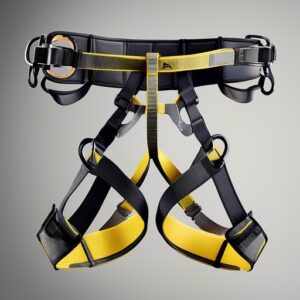
In the hospitality industry, safety is paramount. Hotels, ranging from boutique inns to sprawling luxury resorts, have intricate operations that demand the utmost attention to detail. Among the myriad tasks performed daily, some require employees to work at heights, which introduces unique safety challenges. A climbing harness, an essential piece of personal protective equipment (PPE), plays a crucial role in safeguarding hotel employees who work in elevated or precarious positions. This article delves into the various hotel roles where climbing harnesses are indispensable, the importance of such safety measures, and how proper training and equipment contribute to a safer work environment.
Maintenance Workers: The Backbone of Hotel Safety
Maintenance workers in hotels are responsible for the upkeep of the property, ensuring that everything from plumbing to electrical systems functions smoothly. Their work often requires them to access hard-to-reach areas, such as rooftops, tall lighting fixtures, and external signage. These tasks frequently involve working at significant heights, making a climbing harness an essential tool for their safety.
Roof Inspections and Repairs
Maintenance workers are often required to inspect and repair roofs. Whether it’s fixing a leak, cleaning gutters, or checking for structural damage, these tasks necessitate working on potentially slippery surfaces, especially in inclement weather. A climbing harness ensures that workers are securely tethered, reducing the risk of falls.
Lighting and Electrical Work
High ceilings are common in hotel lobbies, ballrooms, and conference centers, where grand chandeliers or complex lighting systems are installed. Maintenance workers tasked with repairing or replacing these fixtures must often use ladders or scaffolding. A climbing harness provides an additional layer of security, particularly when working on uneven or unstable platforms.
External Signage and Façade Maintenance
The hotel’s exterior is a significant aspect of its branding, with signage and decorative elements playing a vital role in its visual appeal. Maintenance workers tasked with maintaining these features often work several stories above the ground. A climbing harness ensures their safety, allowing them to focus on the task without the added concern of losing balance or falling.
Housekeeping Staff: Beyond Cleaning and Tidying
While it may not be immediately apparent, certain housekeeping duties in hotels also require the use of a climbing harness. The evolving demands of luxury accommodations and the increasing incorporation of unique architectural designs have expanded the scope of housekeeping responsibilities.
Window Cleaning
In hotels with large glass facades or windows that extend from floor to ceiling, cleaning these surfaces can be a daunting task. Housekeepers assigned to window cleaning, especially those responsible for exterior windows in high-rise hotels, must work from scaffolding or suspended platforms. A climbing harness is crucial in these scenarios, securing the worker as they move along the exterior of the building.
High Dusting and Drapery Maintenance
Hotels often feature grand draperies, chandeliers, and other decorative elements that require regular cleaning. These fixtures are usually placed high above the ground, necessitating the use of ladders or mechanical lifts. Housekeepers engaged in high dusting or drapery maintenance must wear a climbing harness to prevent accidents, particularly when reaching over ledges or stretching to clean difficult areas.
Engineering and Technical Staff: Keeping Systems Operational
Engineering and technical staff in hotels are responsible for the operation and maintenance of critical systems, including HVAC, plumbing, and electrical networks. These systems often span multiple floors, with components installed in elevated or hard-to-reach locations.
HVAC System Maintenance
Heating, ventilation, and air conditioning (HVAC) systems are often installed on rooftops or in mechanical rooms that require climbing ladders or accessing narrow catwalks. Engineering staff performing routine maintenance or repairs on these systems must use a climbing harness to ensure their safety while navigating these precarious areas.
Plumbing and Water System Repairs
In some cases, plumbing systems in hotels are routed through elevated pipelines or large water tanks positioned on rooftops or in high mechanical spaces. Technicians working on these systems may need to climb or work from heights, making a climbing harness a critical safety measure.
Electrical and Communication Systems
Electrical panels, wiring, and communication systems in hotels may be located in elevated control rooms or along high walls. Technicians working on these systems must often work at height, using ladders or mechanical lifts to access the necessary equipment. A climbing harness ensures that these workers are secure while they complete these potentially dangerous tasks.
Event Setup Crews: Creating Memorable Experiences
Event setup crews in hotels are responsible for transforming spaces to meet the needs of various functions, from weddings and conferences to large-scale corporate events. The nature of their work often involves assembling large structures, such as stages, lighting rigs, and elaborate decorations, many of which require work at height.
Stage and Lighting Rig Assembly
Setting up stages and lighting rigs often involves assembling components that reach high above the ground. Workers must climb ladders, scaffolding, or even work on suspended platforms to install and adjust lighting, sound equipment, and stage elements. A climbing harness is essential for these employees, ensuring that they can safely perform their duties without the risk of falling.
Decorative Installations
In some events, elaborate decorations are hung from the ceiling or mounted on walls, requiring the setup crew to work from ladders or mechanical lifts. Whether it’s hanging banners, drapes, or other thematic elements, using a climbing harness provides the necessary safety for workers performing these tasks.
Rigging for Audio-Visual Equipment
For larger events, audio-visual equipment, including speakers, screens, and projectors, is often rigged to structures high above the ground. The setup crew must ensure that these installations are secure and functional, often requiring them to work from elevated platforms. A climbing harness is indispensable in these situations, providing the necessary protection against falls.
Landscaping and Exterior Maintenance: Enhancing Hotel Aesthetics
Landscaping and exterior maintenance teams play a crucial role in maintaining the hotel’s curb appeal and outdoor spaces. Their work often requires them to access elevated areas, such as trees, roof gardens, or the exterior walls of the hotel.
Tree Trimming and Pruning
Landscapers are responsible for maintaining the hotel’s greenery, which may include large trees that require regular trimming and pruning. Working at heights, whether from ladders or in tree canopies, poses significant risks. A climbing harness ensures that landscapers are securely anchored, allowing them to focus on their work without the fear of falling.
Roof Garden Maintenance
Many modern hotels feature roof gardens or green roofs, which require regular maintenance. Landscapers tasked with caring for these elevated gardens must often work near the edge of the roof, making the use of a climbing harness essential for their safety.
Exterior Wall Cleaning and Repairs
The hotel’s exterior walls may require cleaning, repainting, or minor repairs, all of which can involve working at heights. Whether using scaffolding or suspended platforms, exterior maintenance workers must wear a climbing harness to prevent falls during these tasks.
Security Personnel: Safeguarding the Property
Security personnel in hotels are responsible for ensuring the safety and security of guests, staff, and property. While their primary duties are often ground-based, certain situations may require them to access elevated areas or perform tasks that necessitate the use of a climbing harness.
Rooftop Patrols
In larger hotels or resorts, security personnel may need to conduct rooftop patrols to ensure the area is secure and free from unauthorized access. This task often involves walking along narrow pathways or climbing ladders, where a climbing harness provides essential fall protection.
Emergency Response
In the event of an emergency, security personnel may need to access elevated areas quickly, such as during a fire evacuation or when responding to a security breach. Wearing a climbing harness allows them to navigate these challenging environments safely, reducing the risk of injury during critical moments.
Surveillance Equipment Maintenance
Security teams may also be responsible for maintaining surveillance cameras and other security equipment installed at height. This maintenance work often involves using ladders or mechanical lifts, where a climbing harness is necessary to ensure the worker’s safety.
Conclusion
The importance of a climbing harness in the hotel industry cannot be overstated. From maintenance workers and housekeeping staff to event setup crews and security personnel, various roles require employees to work at heights where safety is a primary concern. A climbing harness not only protects employees from potential falls but also allows them to perform their duties with confidence, knowing that their safety is prioritized. By investing in proper PPE and ensuring that all employees are trained in its use, hotels can create a safer work environment, reduce the risk of accidents, and maintain the high standards of service that guests expect. Safety, after all, is the foundation of a well-functioning and successful hotel operation.