

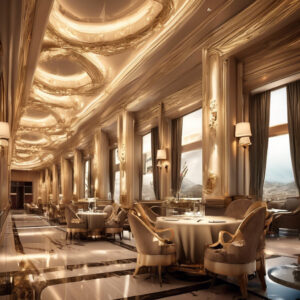
In the competitive world of hospitality, where first impressions often shape guest experiences, it’s essential for hotels to maintain both their aesthetic appeal and structural integrity. Hotels are more than just places to stay; they are an experience. Everything, from the architecture to the cleanliness, plays a pivotal role in influencing customer satisfaction and driving business success. One aspect of hotel maintenance that is often overlooked, but can have a huge impact, is the use of industrial coatings.
Industrial coatings, which are specifically designed to protect, enhance, and preserve materials from wear and tear, environmental damage, and harsh conditions, have become indispensable for hotels. These coatings go beyond simple paint; they provide a robust layer of protection that improves the longevity and durability of a building’s exterior and interior. In this article, we’ll explore why hotels need industrial coatings, delving into their benefits, types, applications, and how they contribute to overall cost savings and sustainability.
The Importance of Durability in Hotel Maintenance
A hotel is subject to constant traffic, from guests coming and going, to staff performing daily duties, and maintenance work being carried out throughout the year. This constant wear and tear can take a toll on the building’s surfaces and structures. Over time, without proper protection, the exterior of a hotel can show visible signs of aging such as faded paint, cracked walls, and exposed surfaces that are vulnerable to the elements.
Industrial coatings are a vital solution in addressing this problem. These coatings are designed to withstand high traffic, moisture, temperature fluctuations, and other environmental stressors, making them ideal for the hospitality industry. By applying industrial coatings, hotels can preserve the integrity of their buildings, reducing the need for frequent repairs and renovations. This results in lower long-term maintenance costs and a longer-lasting property.
Enhanced Aesthetic Appeal
Hotels are in the business of creating a memorable experience for their guests, and aesthetics play a significant role in this. The exterior and interior of a hotel are the first things guests encounter, and they can significantly influence their perception of the property. Industrial coatings help maintain a fresh, polished appearance for the building, ensuring that it continues to look inviting and attractive.
One of the key benefits of industrial coatings is their ability to improve the appearance of various surfaces. These coatings are available in a wide range of colors, finishes, and textures, allowing hoteliers to select the perfect look for their property. Whether it’s a luxurious, modern hotel or a rustic, charming inn, industrial coatings can complement the design vision and enhance the overall aesthetic.
Moreover, many industrial coatings are designed to resist fading from UV exposure, ensuring that the building’s exterior retains its color and vibrancy for longer periods. This is particularly important for hotels in areas with harsh climates or intense sunlight. The ability to maintain a hotel’s appearance without frequent touch-ups or repainting helps create a more polished and professional image, which can contribute to guest satisfaction and repeat business.
Protection Against Environmental Factors
Hotels are constantly exposed to a variety of environmental conditions, including weather fluctuations, pollution, and high humidity. These factors can cause significant damage to a building’s structure over time. Industrial coatings provide an additional layer of protection, shielding surfaces from the harmful effects of the environment.
For example, exterior coatings can protect against rain, snow, and freezing temperatures, which can lead to moisture infiltration, rust, and corrosion. Similarly, interior coatings can prevent mold and mildew growth, which is particularly crucial in areas with high humidity, such as coastal or tropical destinations. By creating a barrier against these environmental elements, industrial coatings help hotels avoid costly repairs and ensure that their properties remain safe and comfortable for guests.
Cost-Effectiveness of Industrial Coatings
Maintaining a hotel is an expensive undertaking, especially when it comes to ongoing repairs and renovations. While industrial coatings may require an initial investment, they ultimately save money in the long run by reducing the need for frequent maintenance and repairs. The durability and longevity of industrial coatings mean that hoteliers can extend the lifespan of their properties, thereby avoiding costly replacements and repairs.
Additionally, industrial coatings help improve energy efficiency, which can further reduce operational costs. For example, certain coatings are designed to reflect UV rays, reducing heat absorption and lowering cooling costs. In buildings with large windows or glass facades, reflective coatings can help regulate the temperature inside, leading to lower energy consumption and reduced reliance on air conditioning systems.
Industrial coatings can also help reduce the need for constant cleaning. Many coatings are designed to repel dirt and stains, making it easier for hotel staff to maintain cleanliness. This translates to less time spent on cleaning and more consistent results. By investing in industrial coatings, hotels can reduce labor costs and improve operational efficiency.
Types of Industrial Coatings for Hotels
There are various types of industrial coatings available, each with its own set of benefits and applications. Understanding the different options can help hotel owners and operators select the best solution for their needs. Here are some of the most common types of industrial coatings used in the hotel industry:
Epoxy Coatings
Epoxy coatings are widely used in commercial and industrial settings due to their excellent durability and resistance to chemicals, moisture, and wear. These coatings are ideal for hotel kitchens, bathrooms, and other high-traffic areas. They create a smooth, glossy finish that is easy to clean and maintain, making them an excellent choice for spaces that require frequent sanitation.
Polyurethane Coatings
Polyurethane coatings are highly flexible and resistant to abrasion, making them ideal for protecting hotel floors, walls, and other surfaces that experience heavy foot traffic. These coatings are also UV-resistant, which means they won’t fade or discolor over time. Polyurethane coatings are available in various finishes, including matte, satin, and gloss, allowing hotel owners to choose the right look for their property.
Acrylic Coatings
Acrylic coatings are popular for exterior applications due to their ability to resist fading and weathering. These coatings are water-based and eco-friendly, making them a more sustainable option for hotels looking to reduce their environmental footprint. Acrylic coatings are available in a variety of colors and finishes and are highly resistant to UV rays, making them ideal for hotels in sunny climates.
Anti-Microbial Coatings
In the age of increased awareness of hygiene and cleanliness, anti-microbial coatings have become essential for hotels. These coatings contain agents that prevent the growth of bacteria, mold, and mildew, ensuring a healthier environment for both guests and staff. Anti-microbial coatings can be applied to high-touch surfaces such as door handles, light switches, and countertops to reduce the spread of germs and viruses.
Thermal Coatings
Thermal coatings are designed to improve the energy efficiency of a building by regulating temperature fluctuations. These coatings reflect heat and UV rays, reducing the need for air conditioning and improving indoor comfort. Thermal coatings are particularly useful for hotels in regions with extreme temperatures, as they help maintain a consistent indoor climate while reducing energy costs.
Sustainability and Eco-Friendly Benefits
Sustainability has become a key focus for businesses across all industries, including the hospitality sector. Hotels are increasingly adopting eco-friendly practices to attract environmentally conscious guests and reduce their environmental impact. Industrial coatings can play a significant role in supporting these sustainability efforts.
Many industrial coatings are designed to be low-VOC (volatile organic compound), reducing the emission of harmful chemicals into the air. These coatings are safer for both hotel staff and guests, promoting a healthier indoor environment. Additionally, eco-friendly coatings can help reduce the overall carbon footprint of a hotel by improving energy efficiency, reducing the need for frequent maintenance, and extending the lifespan of the building.
By using sustainable coatings, hotels can demonstrate their commitment to environmental responsibility, which can be a strong selling point for guests who prioritize eco-friendly practices. In fact, some guests actively seek out hotels with green certifications and sustainability initiatives, making industrial coatings a valuable tool for attracting these eco-conscious travelers.
Conclusion
In today’s competitive hospitality market, hotels must constantly strive to maintain their appeal and provide exceptional guest experiences. Industrial coatings are an often-overlooked but essential part of hotel maintenance, offering numerous benefits in terms of durability, aesthetics, cost-effectiveness, and sustainability. From protecting a building’s exterior against environmental elements to improving indoor comfort and energy efficiency, industrial coatings can significantly enhance a hotel’s performance and longevity.
By investing in high-quality industrial coatings, hotel owners can ensure that their properties remain in top condition, reduce maintenance costs, and improve guest satisfaction. Additionally, with growing concerns about sustainability, eco-friendly coatings can help hotels meet the increasing demand for environmentally conscious practices.
In a world where every detail matters, industrial coatings provide a practical and effective solution for hotels looking to improve both the functionality and appearance of their buildings. Whether it’s extending the lifespan of exterior surfaces or enhancing interior spaces, industrial coatings are a smart investment that pays off in the long run.