

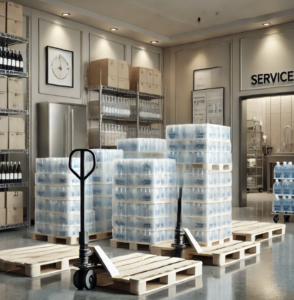
Hotels move an impressive amount of physical goods every week. Linens arrive by the cartload. Restaurant and bar inventory shows up on tight schedules. Replacement furniture, seasonal décor, bathroom supplies, paper products, and maintenance materials rotate constantly. Behind the scenes, pallets are one of the quiet tools that keep all of it organized, safe, and efficient.
When a hotel needs pallets for sale, it is rarely about buying “just pallets.” It is about protecting product, speeding up receiving, keeping storerooms tidy, supporting brand standards, and reducing labor strain in a department that already runs on deadlines. The best hotels treat pallets like a small logistics investment that prevents bigger operational headaches.
Why Hotels Buy Pallets Instead of Just Reusing Whatever Shows Up
Hotels receive shipments on mixed pallet types and conditions. Some arrive on rental pallets that must be returned. Others arrive on damaged wood that splinters, sheds nails, or fails under weight. Some deliveries show up on pallets that do not fit the property’s storage layout or pallet jacks. When a hotel standardizes the pallets it keeps on-site, operations tighten up.
A consistent pallet inventory helps receiving teams stage deliveries quickly, lets engineering store bulky items safely, and supports housekeeping backstock in a cleaner, more predictable way. Properties with multiple outlets or large banquet operations often find that owning a steady supply of clean, uniform pallets reduces time lost reorganizing piles of product. That savings shows up in labor, safety, and fewer damaged goods.
Hotel Purchasing Teams Often Start with Local Pallet Yards and Recyclers
The most common answer is also the most practical. Local pallet yards and pallet recyclers sell used pallets in many grades and dimensions, and they can usually deliver quickly. Hotels like this route because it is flexible. A property can buy a small batch for a renovation project, then reorder later based on how operations settle.
Used pallet suppliers typically offer standard sizes like GMA 48×40, plus specialty sizes that fit tighter storerooms. Many will sort by quality grade, which matters for hotels that want cleaner back-of-house storage and fewer splinters. Some suppliers also offer buy-back programs for excess pallets, which can help when a hotel is transitioning vendors or completing a major FF&E refresh.
National Pallet Suppliers Support Multi-Property Brands and Consistency
Management companies and hotel groups with multiple properties often prefer national or regional pallet suppliers. The appeal is consistent specs, documented quality, and predictable lead times. When corporate teams aim to standardize back-of-house workflows across a portfolio, pallets become part of that standardization in the same way shelving, carts, and bin systems do.
National suppliers also tend to offer heat-treated pallets, custom builds, and higher volumes for distribution hubs. That is especially useful for properties that centralize purchasing for multiple hotels, or for resorts and convention hotels that manage large receiving loads daily.
Industrial Supply Distributors and Warehouse Clubs Fill the “Need It This Week” Gap
Sometimes the need is immediate. A renovation starts early. A storeroom reorganization becomes urgent. A holiday season delivery schedule ramps up unexpectedly. In these moments, hotels often turn to industrial supply distributors and warehouse clubs for new pallets, plastic pallets, or nestable options that work well in humid environments and food-related storage areas.
This channel typically costs more per pallet than buying used locally, but it can solve a short-notice operational problem without waiting on manufacturing or sorting. For hotels that require a cleaner look in visible service corridors or near loading docks, new pallets also reduce the visual clutter that beat-up wood can create.
Foodservice and Beverage Distributors Can Be a Hidden Pallet Source
Hotels with restaurants, bars, catering, and banquet operations already work with beverage distributors and broadline foodservice suppliers. These vendors frequently move product on pallets and sometimes have surplus pallets available through their own logistics partners. When relationships are strong, a hotel can often arrange to purchase consistent pallet types through existing vendor channels or get introduced to the vendor’s pallet partner.
This route tends to work best when the hotel wants a specific pallet style that matches the flow of beverage storage, keg areas, dry goods rooms, or commissary-style layouts. It also keeps the solution close to the day-to-day reality of receiving, which is where pallet problems usually show up first.
Hospitality-Focused Procurement Networks and Industry Guidance Help Hotels Buy Smarter
Hotels that take procurement seriously usually keep a finger on the pulse of operational best practices and cost trends. Industry publications and associations regularly highlight supply chain pressures, labor realities, and back-of-house efficiency strategies. That context helps purchasing teams make practical decisions, including decisions as small as pallet sourcing, because small decisions compound over a year.
Staying informed through outlets like Hotel Management and HOTELS Magazine can keep buyers aware of broader operational trends that affect receiving and storage. Industry coverage from Skift Hotels and CoStar News: Hotels also helps hotel leaders track macro shifts that influence vendor availability and pricing. For an association-driven view of lodging operations and business priorities, LODGING Magazine provides ongoing coverage tied closely to the hotel industry.
How Hotels Match Pallet Type to Real Back-of-House Needs
A hotel that buys pallets thoughtfully usually chooses based on workflow, not habit. Wood pallets are common and cost-effective, especially when buying used. They work well for general receiving, maintenance storage, and many housekeeping supply stacks. Plastic pallets shine where moisture, sanitation perception, and durability matter more, such as near food storage areas or in damp environments. Heat-treated pallets matter when a property or supplier chain requires compliance for international movement or pest-risk reduction.
Hotels also benefit from consistency. A mix of random pallet sizes turns storerooms into puzzles. Standardizing on one or two sizes lets teams stack safely, label predictably, and stage deliveries without constant rearranging.
What Hotel Buyers Look for When Purchasing Pallets
Hotels are not warehouses, but hotel storerooms face many of the same risks. Smart buyers pay attention to a few practical factors.
Condition matters for safety and cleanliness. Broken deck boards and protruding nails create injuries and damage products. Load rating matters when stacking beverages, bulk paper goods, or banquet supplies. Compatibility matters with pallet jacks and the property’s door widths and storage layout. Delivery logistics matter because the receiving dock is usually busy and space is limited.
Hotels also balance cost with the brand experience. Even though pallets live behind the scenes, messy back-of-house areas often spill into service corridors, loading zones, and vendor entrances. A cleaner, more standardized pallet setup supports a more professional operation overall.
How Pallets Fit into the Bigger Hospitality Picture
Hospitality is a high-expectation business built on consistency. That is true for guest-facing details and it is true for behind-the-scenes logistics. The hospitality industry itself is broad and fast-moving, and the fundamentals of hotel operations connect to everything from labor to procurement to supply reliability. A clear grounding in what hotels are and how the sector functions helps teams make better operational calls, even at the micro level. The overview on Wikipedia’s Hotel page provides a helpful baseline for the role hotels play and the operational complexity they manage.
When a hotel treats pallets as a small operational asset, the payoff shows up in fewer receiving bottlenecks, cleaner storerooms, reduced product damage, and smoother coordination across departments. That kind of improvement protects guest experience indirectly because teams are less rushed, less strained, and better equipped to keep standards consistent.
Conclusion ✅
Hotels find pallets for sale through local pallet yards and recyclers, national pallet suppliers, industrial distributors, warehouse clubs, and sometimes even through existing food and beverage vendor relationships. The best approach depends on the property’s receiving volume, storage conditions, brand standards, and how quickly pallets are needed.
A reliable pallet strategy supports efficient receiving, safer storage, and cleaner back-of-house organization. That makes daily operations smoother, helps departments work together without friction, and keeps the hotel ready for the nonstop rhythm of hospitality. 🌟