
Why Every Hotel Should Consider Tub to Shower Conversion Washington D.C. for Better Guest Comfort

Hotel News for tub to shower conversion Washington D.C.

Hotels in Washington, D.C. compete in a market where guest expectations are shaped by business travel, tourism, conventions, and constant comparison through online reviews. In a city known for major landmarks, meetings, and year-round visitor demand, comfort inside the guest room matters just as much as location. One of the most overlooked but impactful upgrades a hotel can make is the bathroom. A dated tub can make an otherwise attractive room feel older, tighter, and less convenient, while a well-designed shower can make the same space feel cleaner, more modern, and more welcoming. In today’s hospitality environment, that difference matters. Washington, D.C. welcomed record visitation in 2024, and a meaningful share of those visitors traveled for business, which raises the value of room features that feel efficient, comfortable, and easy to use. Washington, D.C. remains one of the country’s most recognized destinations, and Destination DC’s visitation data shows just how important the local hospitality economy has become.

Guest Comfort Is No Longer a Small Detail

Guest comfort has become part of hotel branding. Travelers may not always remember the square footage of a room, but they remember whether the bathroom felt cramped, awkward, slippery, outdated, or inconvenient. That is especially true in hotels serving a mix of business travelers, couples, older guests, and families. A shower-first layout often feels simpler and more intentional. It removes the high step of a tub wall, improves the visual flow of the room, and creates an experience that feels more in line with what many guests already prefer at home. In a review-driven industry, those details can quietly influence ratings, repeat bookings, and guest confidence in the property.

For hotels looking to modernize without fully reworking every guest room, tub to shower conversion Washington D.C. can be a strategic upgrade. It answers a practical guest need while also helping a room look newer and better maintained. That matters in a city where hotel competition remains active and where new and renovated properties continue to enter the market. Destination DC’s Hotel Happenings notes that the city’s hotel scene remains active, with new and renovated hotels continuing to shape guest expectations across the District.

Why Showers Often Fit Modern Hotel Expectations Better Than Tubs

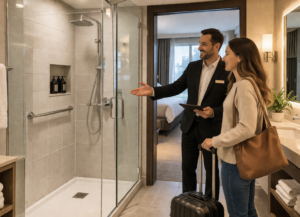
Many travelers do not use hotel tubs the way they once did. A fast, well-lit, attractive shower is often more valuable than a bathtub that takes up space and signals age. Business travelers want speed and ease before meetings. Leisure guests want a bathroom that feels fresh after a long day in the city. Older guests and many travelers with mobility concerns often find walk-in or lower-threshold shower designs more comfortable than stepping over a tub edge. Even guests who do not consciously think about bathroom layout still notice when a shower feels spacious and current.

There is also a visual advantage. Tub surrounds can make a room look dated, especially in older hotel properties. A modern shower with clean lines, quality glass, and updated fixtures can change the feel of the room immediately. It can make the bathroom photograph better, look brighter, and signal that the hotel invests in details. In Washington, where hotels are constantly balancing historic character with modern guest expectations, that kind of update has practical value. Recent local hotel coverage continues to highlight renovations, reopenings, and property refreshes, including projects like the reopening of ARC Hotel after renovation, which reflects how much presentation and refreshed interiors matter in the current market.

Comfort and Accessibility Go Hand in Hand

Better guest comfort is not only about appearance. It is also about how easily a space can be used. A tub-to-shower conversion can support easier access, simpler movement, and a more straightforward bathing experience. For many hotel guests, that makes the room feel more welcoming from the moment they arrive. This is especially valuable in a city that attracts government travelers, conference attendees, international visitors, and multi-generational tourism groups. A bathroom that works for a wider range of people gives a hotel broader appeal without changing the property’s identity.

This kind of thinking also aligns with where the hospitality industry is placing its attention. Through events such as AHLA’s Hotels on the Hill, hotel leaders are openly discussing the pressures affecting operations, staffing, business performance, and the guest experience. In that environment, upgrades that improve usability while also reducing operational friction become even more attractive. A well-planned shower conversion is the kind of improvement that can serve guests and hotel teams at the same time.

Bathroom Upgrades Influence Perception More Than Many Hotels Realize

The bathroom carries more emotional weight than many owners expect. Guests equate a clean, modern bathroom with cleanliness across the whole property. If the bathroom feels old, the room can feel old. If the bathroom feels sharp, bright, and comfortable, the room often earns more trust. That perception can influence how guests judge value, even before they think about linens, furniture, or décor.

This is one reason bathroom upgrades can produce outsized returns in guest satisfaction. In Washington, D.C., hotels operate in a market where many travelers compare multiple properties in similar locations. If the rate is competitive, the room photos look attractive, and the shower appears more modern than what nearby hotels offer, that detail can influence booking decisions. In a destination with strong convention, meeting, and event activity, hotels do not need every upgrade to be flashy. They need upgrades that strengthen the guest’s immediate impression. A tub-to-shower conversion does exactly that by improving one of the most noticed areas of the room. Destination DC’s research shows the city has approximately 229 hotels and more than 36,000 hotel rooms, which reinforces how important even small differentiators can be in such a crowded lodging environment.

This Upgrade Can Also Help the Operation Behind the Scenes

Hotels do not succeed on guest comfort alone. They also succeed on maintenance control, housekeeping efficiency, and keeping rooms in service. Showers can support those goals. Older tub setups often come with wear at the caulk lines, dated surrounds, staining, awkward corners, and surfaces that are harder to clean thoroughly. A more modern shower layout can simplify cleaning routines and reduce the visual problems that quickly make a room feel tired.

That operational angle matters in today’s hotel economy. National hotel development reporting shows that renovation and conversion activity remains a significant part of hospitality investment, and Washington, D.C. continues to rank among the notable markets for renovation and conversion work. Hotel Dive’s pipeline coverage reported that Washington, D.C. followed leading markets in renovation and conversion activity, underscoring that owners continue to see value in updating existing assets rather than relying only on new construction. In other words, improvement work is not a side conversation in hospitality right now. It is part of how properties stay relevant.

Washington, D.C. Hotels Need Upgrades That Match the Market’s Momentum

Washington is not a passive hotel market. Destination DC reports both strong visitation and an active room pipeline, while its sales and marketing outlook for 2026 points to substantial expected hotel room nights tied to convention center events and hotel-only meetings. That means hotels are preparing for ongoing guest demand while also navigating a competitive environment where expectations keep moving upward. Destination DC research notes construction pipeline activity, and the organization’s 2026 strategy update shows how important meetings and room-night generation remain to the city’s hospitality economy.

At the same time, Washington continues to show how adaptive and renovation-minded its hospitality sector can be. Projects covered in local industry reporting, such as Bisnow’s report on a D.C. office-to-hotel conversion, reflect a broader mindset in the market: existing properties and existing spaces can be reshaped to better match today’s traveler. A tub-to-shower conversion works on that same principle, just at the guest-room level. It is a practical refinement that makes the room align better with how modern visitors actually live and travel.

A Better Shower Can Support Better Reviews, Better Stays, and Better Positioning

Hotels do not have to change everything to improve the guest experience. Sometimes the smartest upgrade is the one that fixes a common annoyance and quietly lifts the whole room. A tub-to-shower conversion does that. It improves convenience. It supports easier access. It often looks more upscale. It can help a room feel cleaner, newer, and more intentional. Most importantly, it serves the guest in a direct way.

In a city like Washington, D.C., where hotel demand is tied to business travel, meetings, tourism, and high guest expectations, properties benefit from upgrades that are both visible and useful. A better shower is not just a construction choice. It is part of the hotel’s comfort strategy, review strategy, and competitive strategy. When a property wants to improve guest satisfaction without losing sight of efficiency and long-term value, this is the kind of upgrade worth serious attention.

Conclusion

Every hotel wants guests to feel comfortable the moment they enter the room. That feeling is built through details, and the bathroom plays a major role in it. A tub may once have been standard, but many guests today value a shower that feels easy, modern, clean, and spacious. For Washington, D.C. hotels competing in an active and evolving market, tub-to-shower conversion is more than a cosmetic improvement. It is a practical investment in guest comfort, property presentation, and long-term competitiveness. When hotels want a renovation that aligns appearance, usability, and operational value, this upgrade stands out as one of the most sensible moves they can make.


Why a Georgia Hotel May Need an Excavation Contractor in Thomaston, GA

Hotel News for Excavation Contractor Thomaston GA

A hotel property has to do much more than look inviting from the road. It has to function well from the ground up. Guests notice the lobby, the rooms, the parking areas, the landscaping, and the ease of arrival, yet all of those experiences are shaped by what happens below the surface long before a visitor checks in. For a Georgia hotel owner, manager, investor, or developer, site conditions can affect expansion plans, drainage performance, utility access, curb appeal, safety, and long-term maintenance costs. That is one reason excavation work matters more than many people realize.

That matters even more in a state where hospitality continues to be an important economic driver. Georgia tourism officials regularly highlight new lodging activity, new attractions, and continued travel momentum through resources like the Explore Georgia Media Room, while the Georgia Hotel & Lodging Association tracks hospitality issues that matter to hotel owners across the state. On the broader industry side, even a general overview of the modern Hotel sector shows how much today’s properties depend on infrastructure, utilities, access, and guest-ready operations rather than simply a building with rooms.

Hotel Projects Begin Below the Surface

When people think about hotel improvements, they often picture remodeled guest rooms, upgraded bathrooms, better signage, or a refreshed exterior. Those improvements matter, but many hotel goals start with dirt work, grading, clearing, trenching, and site preparation. A property may need to expand parking, add storm drainage, correct uneven ground, prepare for a detached amenities building, improve service access behind the hotel, or make way for outdoor gathering areas. None of that begins with paint or décor. It begins with the site itself.

That is why a hotel owner planning a property improvement may need an Excavation Contractor Thomaston GA. The right excavation team helps create a workable foundation for what comes next. Before concrete is poured, utilities are run, or asphalt is installed, the land has to be shaped correctly. Good sitework helps a hotel project move forward with fewer surprises, better drainage, safer traffic flow, and stronger long-term performance.

Drainage Problems Can Hurt Guest Experience and Property Value

One of the most common reasons a hotel may need excavation work is drainage. A hotel can have a beautiful building and still create a poor guest impression if the parking lot floods, the sidewalks stay muddy, or water collects near entrances after a heavy rain. In Georgia, where storms and seasonal downpours can quickly expose grading problems, poor drainage can become more than an inconvenience. It can create slip hazards, damage landscaping, weaken paved areas, and increase wear around the building.

Excavation work can help correct those issues by reshaping slopes, improving runoff paths, preparing for drainage structures, and reducing the chance that water will sit where it should move. For a hotel, that kind of work is not just about appearance. It supports safety, protects the asset, and helps the property feel well-maintained. Guests may never say, “This hotel has excellent grading,” but they absolutely notice when the lot is easy to navigate and the grounds look cared for in every season.

Parking, Access, and Traffic Flow Often Require Earthwork

Hotels depend on smooth arrival and departure. Guests want simple access, visible parking, clean walkways, and easy movement around the property. Staff members need service routes that make daily operations more efficient. Vendors, maintenance teams, and delivery vehicles also need room to operate without creating confusion or safety problems.

Whenever a hotel wants to rework a parking lot, add spaces, improve turning areas, widen access points, or prepare a new section of the property for future use, excavation may become part of the job. Soil has to be moved. Grades have to be corrected. Existing ground may need to be stabilized or reshaped so the finished area performs the way it should. This is especially valuable for older hotel properties that were built for a different level of traffic than they handle now. A property that once felt adequate can start to feel cramped, inconvenient, or dated if the site no longer matches how guests and staff use it today.

Utility Work and Renovations Still Depend on Excavation

A hotel does not have to be building a brand-new wing to need excavation services. Renovations can require them too. Trenching may be needed for water lines, sewer connections, electrical runs, drainage improvements, or exterior lighting upgrades. Even when the visible goal is something polished and guest-facing, such as better lighting, improved landscaping, or added outdoor features, the unseen support systems often depend on excavation.

This matters because hotels operate as living properties. They are not static buildings. They adapt to guest expectations, code requirements, technology needs, and operational demands. A hotel that wants to add upgraded site lighting, improve irrigation control, support outdoor seating, or prepare for future improvements may need careful excavation work to make those upgrades possible. The cleaner and more organized that work is, the easier it becomes to protect the guest experience while the property keeps moving forward.

Hotels Need Sitework That Respects Brand Reputation

Hospitality is a reputation business. Cleanliness, order, convenience, and trust affect how guests feel before they ever reach the front desk. That is why hotels should take site contractors seriously. Excavation work around an active property must be approached with professionalism, planning, and awareness of how the work affects both operations and public perception.

A good excavation partner understands that a hotel is not the same as an empty commercial lot. There may be guests arriving throughout the day, staff circulating constantly, deliveries being made, and public-facing areas that must stay as orderly as possible. Timing, staging, safety control, debris management, and communication all matter. The goal is not simply to move dirt. The goal is to improve the property without turning the site into a mess that reflects poorly on the hotel.

That standard matters in a state where hotel competition remains active. Georgia’s lodging sector continues to evolve through new openings, renovations, redevelopment, and event-driven demand, which is why hotel owners benefit from staying connected to hospitality reporting and association updates. Resources such as New Hotels in Georgia, Georgia Invites Travelers to Explore New Hotels, Attractions and More in 2025, and GHLA Legislative News and Alerts reflect an industry that is active, visible, and tied closely to development decisions, guest demand, and operating conditions.

Local Knowledge Matters in Thomaston, GA

There is real value in working with a contractor who understands the local area. Soil conditions, grading patterns, weather realities, and regional construction needs can vary from one part of Georgia to another. A contractor familiar with Thomaston and the surrounding region is more likely to understand the practical side of moving a job from plan to execution. That includes site access, ground conditions, scheduling considerations, and the kind of straightforward communication that property owners appreciate.

For a hotel, local knowledge can also help with coordination. Most property improvements involve more than one moving part. Owners may be balancing budgets, guests, internal approvals, vendors, and timing windows. An excavation contractor who knows how to work efficiently and communicate clearly becomes a valuable part of that process. The work is not only about equipment. It is about making progress without creating unnecessary friction.

Excavation Supports Long-Term Asset Protection

A hotel is a business asset, and wise owners think beyond the immediate project in front of them. They think about future maintenance, guest reviews, property presentation, insurance concerns, and the life span of paved areas, drainage systems, and site features. Quality excavation can support all of that because it gives the rest of the project a better base.

When grading is right, water management tends to work better. When access is planned well, traffic issues are easier to manage. When utility routes are handled cleanly, later maintenance becomes less chaotic. When site preparation is done correctly, future improvements often go more smoothly. All of that contributes to a more stable, better-performing property over time.

That broader view fits what Georgia hotel owners are watching statewide. Tourism remains a major part of Georgia’s economy, and state officials continue to report on lodging growth, visitor demand, and business-travel momentum through pieces such as Georgia Breaks Tourism Records for Third Year in a Row and Business Travel to Georgia Rises Alongside New Venue Offerings. Industry coverage from Georgia Trend’s hospitality reporting and recent Atlanta Journal-Constitution hotel development news shows the same pattern: Georgia hotels are operating in a competitive environment where property quality, site readiness, and smart investment decisions matter.

Conclusion

A Georgia hotel may need an excavation contractor in Thomaston, GA for more reasons than most people expect. New construction is only part of the picture. Drainage corrections, parking improvements, utility trenching, site preparation, access upgrades, erosion control, and expansion planning can all make excavation work a necessary step. When done well, that work protects the property, supports daily operations, strengthens the guest experience, and helps the hotel present itself as a well-run place from the ground up.

For hotel owners and managers, that makes excavation more than a back-end construction detail. It becomes part of protecting the brand, improving the asset, and preparing the property for what comes next. In a Georgia hospitality market that continues to attract attention through statewide tourism growth, hotel development news, and active industry reporting, smart sitework remains one of the quiet decisions that can make a very visible difference.

Why a Texas Hotel Might Work with a Custom Home Builder in Chappell Hill TX

Hotel News for custom home builder Chappell Hill TX

Texas hotels are not competing in a quiet market. Across the state, owners and operators are investing in renovations, extended-stay concepts, upgraded common areas, and larger destination-driven developments that aim to give guests something more memorable than a standard room. Recent Texas hotel activity reflects that shift, from the renovated Westin Houston Downtown and redesigned Hotel Granduca in Houston to new extended-stay plans in Katy and major hotel-centered development in Galveston and Rosenberg. In other words, the conversation in Texas hospitality is no longer just about beds and bookings. It is about experience, comfort, design, and long-term guest value.

That is exactly why the idea behind this title makes sense. A Texas hotel might work with a home builder not because a hotel and a house are the same thing, but because the best hospitality spaces often borrow from the same principles that make residential spaces feel warm, beautiful, intuitive, and worth returning to. A hotel that wants to feel less generic and more welcoming can gain a great deal by looking at the kind of craftsmanship, layout awareness, and guest-centered design thinking that residential builders bring to the table. In a state where Travel Texas promotes tourism as an economic driver and where the broader Hospitality industry depends on how well guests are received, comfort and design are not extras. They are part of the business model.

Hotels and Custom Homes Both Sell an Experience

At first glance, a hotel and a custom home may seem like two separate worlds. One is built for short-term stays, and the other is built for daily life. Yet both succeed or fail based on how a space makes people feel. Good hospitality is not accidental. It comes from thoughtful circulation, practical comfort, visual harmony, and a sense that somebody cared enough to get the details right. That idea sits at the core of the hospitality field itself, and it is one reason design matters so much in lodging.

A custom home builder understands this deeply. Residential construction done at a high level is never just about walls, roofs, or finishes. It is about how a person moves through a space, where natural light lands, whether the room feels open or cramped, whether privacy and gathering areas are balanced well, and whether the space feels calm the moment someone enters it. That same thinking matters in a hotel lobby, guest room, suite, courtyard, breakfast space, or lounge. A hotel that borrows from residential design intelligence is often better positioned to feel upscale, restful, and intentional rather than cold or purely transactional.

That is where the value of a custom home builder Chappell Hill TX enters the conversation. A hotel owner looking for a more elevated guest experience may appreciate the mindset of a builder who understands how to create spaces that feel personal, timeless, and comfortable. Even when the project is not a literal custom home, the design philosophy can still translate into the hospitality setting in meaningful ways.

Texas Hotels Are Raising the Bar on Design and Guest Comfort

The Texas hotel market is showing clear signs that quality and guest experience are central priorities. The Westin Houston Downtown completed a multi-million-dollar renovation that refreshed its guest rooms, lobby, dining concepts, and fitness offering. Hotel Granduca also underwent a substantial redesign aimed at creating a more curated and distinctive luxury atmosphere. These are not minor cosmetic updates. They are examples of hotels investing in how the guest actually experiences the property from arrival to checkout.

That same trend is visible in new development. Hilton’s LivSmart Studios concept in Katy is being built around longer stays, flexible living, and studio-style layouts with areas to cook, work, and relax. In Galveston, a large proposed development includes a Marriott hotel as part of a broader mixed-use destination. In Rosenberg, leaders approved a hotel and conference center project designed to support longer events and greater visitor retention. These projects point to a bigger truth: hotels in Texas are thinking more carefully about how space performs, how it supports the guest, and how it contributes to a larger destination identity.

When hotels are already moving in that direction, it becomes easier to understand why lessons from custom residential building matter. A builder who knows how to make a space feel lived-in, layered, and welcoming can contribute ideas that help a hotel go beyond utility. That matters because travelers notice when a property feels thoughtful instead of formulaic.

A Chappell Hill Mindset Brings a Different Kind of Value

There is something powerful about design that does not feel mass-produced. A place like Chappell Hill carries an immediate association with character, charm, and a slower, more intentional sense of place. Whether a hotel is urban, suburban, or destination-based, there is value in learning from builders who are used to creating spaces that feel rooted rather than generic. That kind of approach helps a hotel feel less like a stopover and more like a place people genuinely want to remember.

Custom residential builders are often stronger at translating lifestyle into structure. They think about comfort from the inside out. They understand that finishes alone do not create warmth. Proportion matters. Transitions matter. Outdoor living matters. Materials matter. The relationship between public and private space matters. In a hotel context, that can influence everything from the arrival sequence and front desk area to guest room layouts, gathering areas, patios, event spaces, and specialty suites.

For a Texas hotel, this can be especially valuable. Texas travelers include business guests, weekend visitors, families, event attendees, and leisure travelers looking for comfort with personality. A hotel that adopts some of the sensibilities of high-end residential construction can appeal to all of them more effectively. Instead of feeling interchangeable, the property can feel like it belongs where it is.

The Business Case Is Stronger Than It Looks

This is not only about aesthetics. It is also about revenue protection, reputation, and long-term property strength. Texas tourism is promoted as a major economic engine, and state travel research emphasizes the importance of visitor spending, jobs, and tax revenue tied to travel activity. Hotels operate inside that larger ecosystem. When a property improves guest satisfaction through better design and stronger comfort, it is not just making the building prettier. It is improving the likelihood of repeat stays, better reviews, stronger word of mouth, and a more resilient brand position.

Texas also has a well-defined hotel tax framework, with the state hotel occupancy tax set at 6 percent and local taxes layered on top in many cases. That matters because hotels do not exist in a vacuum. They are part of a financial system tied to tourism, local government, events, and destination development. A property that performs well can have a meaningful economic ripple effect. In practical terms, making a hotel more compelling through better design and more guest-centered planning can support stronger performance in a state that already treats lodging as a serious economic category. Hotel Occupancy Tax and Travel Research both reinforce how closely hotels are tied to local and statewide economic outcomes.

This is one reason hotel owners should not dismiss residential influence as irrelevant. A custom home builder’s perspective can help a hotel improve the very things guests remember most: quiet comfort, intuitive layouts, useful storage, better lighting, attractive common spaces, and the sense that the building was planned around human experience rather than operational minimums alone.

Texas Hotel News Already Points in This Direction

The news itself supports the argument. The Westin Houston Downtown renovation focused on upgraded rooms, refreshed social areas, and new food-and-beverage concepts. Hotel Granduca’s redesign leaned into atmosphere, detail, and a more distinct identity. Hilton’s Katy extended-stay concept is being shaped around the realities of how people actually live when they stay longer. Galveston’s planned mixed-use hotel project shows how lodging is increasingly being folded into broader experiential destinations. Rosenberg’s conference hotel plan underscores how well-designed hospitality assets can support economic development at the local level. These are not isolated moves. They reflect a market that understands experience sells. Westin Houston Downtown renovation, Hotel Granduca renovation, Hilton LivSmart Katy, Galveston Seawall hotel development, and Rosenberg hotel and conference center all point toward a hospitality environment where design quality and destination value are receiving serious investment.

In that context, working with or drawing inspiration from a custom builder is not a stretch. It is a strategic move. Hotels that feel better tend to perform better because guests can sense the difference immediately. They may not describe it in technical language, but they know when a room feels restful, when a lobby feels inviting, and when a property feels like it has been designed with care.

Conclusion

A Texas hotel might work with a custom home builder in Chappell Hill TX because the modern hospitality market rewards more than basic functionality. It rewards atmosphere, warmth, usability, identity, and the kind of thoughtful construction that makes people feel comfortable the moment they walk in. Texas hotel news already shows a market investing in renovations, new concepts, destination projects, and more refined guest experiences. That makes this idea not only believable, but timely.

When a hotel borrows the best instincts of custom residential building, it gains something valuable: a stronger emotional connection with the guest. In a competitive state like Texas, that kind of connection can be the difference between a property that gets used and a property that gets remembered.

How an Idaho Excavation Company Supports Hotel Growth and Property Improvements

Hotel News for Idaho Excavation Company

Hotel growth does not begin with paint colors, lobby furniture, or ribbon-cutting photos. It begins in the ground. Before a hotel can expand its footprint, improve access, add parking, upgrade drainage, build outdoor amenities, or prepare for a new wing, the property has to be shaped for what comes next. That is where an Idaho Excavation Company becomes a practical part of hotel progress. In a state where travel, tourism, and hospitality continue to matter to local economies, the condition and usability of a hotel property can directly affect guest experience, operational efficiency, and future growth. Idaho’s tourism resources, lodging information, and hospitality organizations all reflect the importance of lodging across the state, from destination travel to convention traffic and regional business stays.

A hotel property has to do more than look attractive. It has to function well for guests, staff, delivery vehicles, service access, stormwater movement, parking circulation, and long-term maintenance. In growing areas such as Boise, Idaho, where hospitality activity connects with broader commercial growth, sitework can be one of the most important parts of turning a property from limited or outdated into efficient, safe, and guest-ready. A strong excavation partner helps create the physical conditions that allow hotel owners and developers to improve the property with confidence.

Hotel Growth Starts Below the Surface

When people think about hotel improvements, they often picture visible upgrades such as renovated rooms, refreshed entrances, expanded meeting areas, or improved landscaping. Those improvements matter, but many of them depend on work that happens first below grade. Excavation supports the groundwork for additions, grading corrections, utility access, drainage improvements, parking lot preparation, sidewalk connections, retaining work, and site reconfiguration that makes the property more usable.

For hotels, this matters because growth often happens in phases. A property may start with a need for better traffic flow, a safer drop-off zone, or a more efficient parking layout. Later, the same property may need space for a patio, event area, drainage improvements, or utility trenching to support a larger renovation. Excavation makes those improvements possible by preparing the site properly rather than forcing upgrades onto land that is not ready to support them. When a hotel invests in the ground first, it gives every future improvement a stronger start.

Property Improvements That Matter to Guests and Owners

Hotel owners care about return on investment, but guests feel the results in a more immediate way. They notice whether the entrance is easy to navigate, whether the parking area feels organized, whether puddling creates frustration, whether the property feels well-maintained, and whether outdoor spaces are enjoyable instead of neglected. Excavation plays a direct role in those outcomes because grading, drainage, and site preparation affect how the property performs every day.

That is especially important in hospitality, where first impressions are tied to convenience as much as appearance. A clean, well-drained, well-laid-out property tells guests that the business is attentive and prepared. It also helps owners avoid recurring issues that quietly damage reputation over time, such as water runoff problems, uneven surfaces, poor access routes, or site layouts that create confusion. In that sense, excavation is not just construction support. It is part of protecting the experience the hotel is trying to deliver.

Supporting Expansions, Renovations, and Repositioning

Across Idaho, hotel coverage and hospitality reporting have highlighted both renovation activity and continued interest in lodging improvements. Boise hotel projects have included renovation work and property updates, while local hospitality coverage continues to reflect the value of lodging, tourism, and destination development in the state. That broader pattern matters because whenever a hotel is repositioning itself for stronger performance, sitework is often part of the story whether guests see it or not.

A hotel may not always be building from scratch. In many cases, the smarter move is to improve what already exists. That can mean expanding usable outdoor space, correcting long-standing drainage issues, preparing land for an additional structure, improving entry circulation, or updating the site so the property feels more modern and more functional. Excavation supports that repositioning by helping the hotel make better use of the land it already owns. Instead of treating the site like a fixed limitation, a skilled excavation team helps turn it into an asset.

This is one reason excavation is so valuable to hospitality properties. A hotel does not have to be launching a major development to benefit from sitework. Even targeted improvements can raise the usefulness and appeal of the property. Better grading can protect the building. Better access can improve arrivals. Better layout planning can support events, traffic flow, and maintenance. Better site preparation can make future construction easier and less disruptive.

Why Idaho Hotels Need Sitework That Fits the Region

Idaho is not a one-size-fits-all market. Hospitality properties serve different needs depending on whether they are tied to tourism, outdoor recreation, regional business travel, conferences, or growing suburban commercial corridors. Official Idaho tourism and lodging resources show how broad the state’s visitor landscape really is, while destination organizations such as Visit Idaho and Visit Boise highlight the range of lodging environments that hotels operate within. That means site preparation and improvement work should match the property’s location, use, and long-term goals rather than following a generic template.

For one property, the main need may be creating more durable access and circulation around a busy building. For another, it may be preparing land for growth as the area develops. For another, it may be reshaping the site to support outdoor hospitality features that guests now expect. An excavation team that understands local ground conditions, utility considerations, grading demands, and the realities of Idaho commercial development brings value because it helps owners make decisions that are practical for their exact property.

That local awareness matters in hospitality. Hotels do not operate in a vacuum. They sit within traffic patterns, tourism patterns, weather conditions, utility systems, and development trends that affect how the site should be improved. The more closely excavation work aligns with those realities, the better the property performs over time.

Excavation Helps Hotels Protect Reputation, Safety, and Efficiency

A hotel can spend heavily on interior improvements and still struggle if the exterior site works against the business. Water that does not drain properly, rough grading, inconvenient access, limited parking flow, and awkward site layout all create friction. Guests may never describe those issues as excavation problems, but they will feel them as inconvenience, disorder, or neglect. Over time, that affects reviews, maintenance costs, and the property’s overall competitiveness.

Excavation helps reduce those hidden weaknesses. Proper grading can move water away from structures and walking areas. Site preparation can support smoother paving and more dependable surfaces. Utility trenching and groundwork can support future upgrades without improvised fixes later. Land clearing and reshaping can open the door to amenities that make the property more attractive and more usable. In a business built on consistency, these improvements matter because they support daily operations instead of creating preventable headaches.

This kind of sitework also helps hotel ownership think beyond short-term patch jobs. Rather than constantly reacting to property issues, owners can make strategic improvements that support maintenance, guest satisfaction, and future development in a more organized way. That is a stronger long-term position for a hospitality business that wants to keep pace with changing expectations.

A Stronger Site Supports a Stronger Hotel Brand

Hospitality is deeply tied to trust. Guests want to feel that a property is well-run, safe, clean, and worth their money. Brand image is not built only through design and advertising. It is also built through the real-world condition of the property. A hotel with smooth access, solid drainage, organized parking, usable outdoor areas, and visible site care feels more credible to guests before they ever check in.

That is why the best excavation work supports more than construction. It supports brand perception. A hotel that is expanding, refreshing, or improving its site sends a message that it is investing in the guest experience and in its own future. In a competitive market, that matters. Hospitality organizations such as the Idaho Lodging & Restaurant Association and state tourism resources continue to reflect how important the lodging sector is to Idaho’s visitor economy, and properties that improve thoughtfully are better positioned to benefit from that environment.

It also helps when the property improvements make operational life easier behind the scenes. Staff access, service routes, utility reliability, and site flow all affect how efficiently the hotel runs. When excavation work is planned well, those benefits reach both the guest-facing side and the operational side of the business.

Authority, Visibility, and Long-Term Property Value

Hotel owners who think long term understand that every smart improvement strengthens the property’s value. A site that is better drained, better organized, and better prepared for future work is more resilient and more marketable. It is easier to maintain, easier to upgrade, and easier to present as a quality asset. For hospitality properties in developing Idaho markets, that foundation can matter just as much as interior improvements.

That is one reason hotel news and development coverage in Idaho continue to matter. Reporting from sources such as BoiseDev, business coverage focused on Idaho hospitality, and official state tourism research all point to a lodging environment where thoughtful investment still counts. Hotels that improve their properties from the ground up are not just fixing dirt. They are improving usability, protecting structures, and creating better conditions for revenue-producing upgrades.

When excavation is handled with care, it becomes part of a bigger growth strategy. It supports expansion without careless shortcuts. It supports improvements that last. It gives hotel owners better control over how their land works for them. That creates real value in a sector where physical condition and guest perception are closely tied together.

Conclusion

Hotels grow best when property improvements are built on the right foundation. In Idaho, where hospitality, tourism, and lodging continue to hold economic importance, the work beneath the surface can make a major difference in what a property becomes next. Excavation supports more than raw construction. It supports smarter site use, safer access, better drainage, cleaner development paths, and improvements that help hotels serve guests more effectively.

For hotel owners, developers, and property managers, the right excavation partner is not just another contractor on the job. It is part of making the property easier to improve, easier to maintain, and better prepared for growth. When a hotel site is shaped with care, every future upgrade has a better chance to succeed. That is how a strong excavation partner supports hotel growth and property improvements in a way that is practical, visible, and built to last.

Pittsburgh Hotels and Pittsburgh Masonry Restoration: Protecting the Building, the Brand, and the Guest Experience 🏨

Hotel News for Pittsburgh Masonry Restoration Near Me

Pittsburgh hotels carry a lot on their walls. In a city known for legacy architecture, brick façades, stone accents, and historic exterior details, a hotel’s masonry is more than a shell. It is curb appeal, safety, energy performance, and reputation wrapped into one. When mortar joints fail, brick begins to spall, water finds a pathway behind the wall, or staining starts creeping across the façade, the building is sending a clear message that exterior maintenance is behind. In hospitality, that message travels fast, because guests judge the property before they ever step into the lobby.

Pittsburgh Masonry Restoration supports hotels in a way that directly connects to revenue and operations. It helps protect the building envelope, reduces avoidable interior damage, supports guest satisfaction, and keeps the property aligned with the expectations modern travelers bring to every stay.

Pittsburgh’s Buildings Are Built for Character, Not for Neglect

Pittsburgh has hotels housed in older masonry structures, as well as newer builds that still rely on brick veneer, stone features, and architectural masonry for visual impact. Masonry can be long-lasting, but it is not maintenance-free. Mortar is designed to be the sacrificial component that weathers over time. When it fails and is not addressed, the wall begins to take the damage instead.

Hotels experience constant operational vibration, frequent door traffic, ongoing HVAC use, and heavy use of entrances and drop-off zones. Those stresses might seem minor in isolation, but over time they contribute to shifting, cracking, and joint separation. Restoration work brings the wall back to a stable condition, protecting the exterior and the structure behind it.

Freeze-Thaw Cycles and Water Intrusion Create Expensive Interior Problems

Pittsburgh weather brings repeated freeze-thaw conditions that are especially punishing for masonry. Water enters small cracks and open mortar joints, freezes, expands, and forces the material apart. That is how small surface issues become spalling brick, fractured stone, and widening cracks.

For hotels, the costs show up quickly inside. Water intrusion can damage insulation, cause staining on interior walls, trigger musty odors, and contribute to conditions that guests notice immediately. Restoration work that includes repointing, targeted brick replacement, lintel and shelf-angle attention where applicable, and appropriate water management helps reduce the likelihood of these cascading issues. When hospitality news and research emphasize quality and upkeep, the building exterior is part of that conversation, not separate from it. Guest satisfaction studies and industry coverage repeatedly connect maintenance and property condition with how guests score their stays. J.D. Power’s hotel guest satisfaction coverage reinforces that maintenance and room quality are central to the experience.

The Exterior Sets Expectations Before the First Handshake

Hotels compete on experience, and experience starts at the curb. A clean, well-maintained façade signals pride, professionalism, and quality. Cracked mortar, rust staining, efflorescence, loose brick, and patched repairs that do not match send the opposite signal. This is not cosmetic in a shallow sense. It is brand perception made visible.

Hotel industry news consistently highlights evolving guest expectations and the push for properties to stay competitive through upgrades and reinvestment. Renovations and reinvestment are not limited to lobbies and rooms, because the building exterior is part of the guest’s first impression and ongoing comfort. Hospitality coverage about renovation cycles and brand standards underscores the pressure owners face to keep properties current. HospitalityNet’s reporting on renovations and PIPs reflects how real those mandates are across the industry.

Safety, Liability, and Risk Control Live in the Masonry Details

A hotel cannot treat masonry distress as a background issue, because the exterior is part of the public environment. Loose brick, failing parapets, deteriorated cornices, and compromised façade anchoring create hazards around sidewalks, entrances, loading zones, patios, and valet areas. Even minor deterioration can become a serious liability when pieces loosen and fall.

Masonry restoration helps hotels address these risks proactively through stabilization and repair that returns the wall to a safe condition. That includes correcting open joints, restoring failing sections, and addressing moisture pathways that accelerate deterioration. Hospitality news has covered how deferred maintenance affects guest satisfaction and operations, and the same logic applies to exterior conditions that guests see and walk beneath. CoStar’s hotel coverage has directly tied delayed maintenance to lower guest satisfaction outcomes in the industry conversation. CoStar’s reporting on delayed maintenance and satisfaction helps frame why waiting tends to cost more than acting early.

Brand Standards and Renovation Cycles Make the Façade Non-Negotiable

Hotels operate inside a competitive system where standards, online reviews, and market expectations combine to create constant pressure. Property improvement requirements, ownership repositioning, and renovation cycles have become a normal part of staying relevant. When a hotel invests in interiors but leaves the façade behind, the upgrade feels incomplete, and guests still perceive an aging property.

Industry coverage has shown that many owners are making strategic decisions between new builds and renovations based on costs and the realities of construction. That pushes more money and attention toward improving existing assets. HospitalityNet’s analysis of development costs and renovation decisions aligns with a practical truth for hotels: protecting and upgrading what already exists is often the most controllable path forward.

Masonry restoration supports these cycles by ensuring the exterior matches the standard the interior is trying to convey.

Energy Efficiency and Comfort Start with the Building Envelope

Hotels pay for comfort all day, every day. The exterior envelope affects how hard HVAC systems must work to maintain consistent temperatures and manage humidity. When masonry joints fail and moisture moves where it should not, the building’s performance suffers. Drafts, temperature swings near exterior walls, and dampness can become persistent issues that show up as guest complaints, even when the room looks fine.

Restoration work improves envelope integrity by closing pathways, stabilizing materials, and correcting deterioration that undermines performance. In a market where hotels are competing on comfort and experience, the “quiet luxury” trend and broader guest expectations make building condition part of the promise, even when guests do not name it directly. Skift’s hotel coverage on shifting expectations speaks to how the guest experience is becoming more intentional and quality-driven, which makes physical upkeep more important, not less.

Reviews, Photos, and Social Proof Capture the Façade Every Day

Online reputation is a daily asset in hospitality. Guests post photos of entrances, courtyards, street views, balconies, and architectural details. Even a well-managed hotel can lose perceived value when exterior images consistently show staining, cracks, patchwork repairs, or visible deterioration.

Masonry restoration protects the photo-ready parts of the property that marketing cannot control after the guest arrives. It helps the building present consistently across seasons and across guest-generated content. Hotel industry coverage regularly focuses on guest experience benchmarks and the operational pressure hotels face to maintain quality. Lodging Magazine’s coverage of maintenance and guest satisfaction reflects how visible condition and upkeep influence how guests score a stay.

Historic Character Is a Revenue Feature in Pittsburgh

Pittsburgh’s architectural identity can be a differentiator for hotels. Brick, stone, and detailed façades communicate authenticity and place, which travelers value. That historic or legacy look becomes an amenity in its own right, especially for boutique properties and iconic buildings.

Masonry restoration preserves that advantage. It keeps original materials performing as intended, supports visual continuity, and helps the property avoid the “tired building” look that quietly lowers perceived nightly value. Even a general definition of what a hotel is includes the idea of facilities and services, and the building itself is part of that expectation. Wikipedia’s overview of hotels provides a baseline reminder that lodging is not only a bed, it is the full condition and offering of the establishment.

Conclusion

A Pittsburgh hotel needs Pittsburgh Masonry Restoration near me because masonry is the hotel’s first impression, its weather shield, and a key piece of guest confidence. Restoration protects against water intrusion and freeze-thaw damage, reduces safety risk, supports brand standards and renovation cycles, and preserves the character that makes Pittsburgh properties stand out. It also supports the outcomes hotels chase every day: stronger reviews, fewer disruptions, and a property that feels cared for from the street to the suite. 🧱✨

Where Hotels Find Pallets for Sale and Why It Matters for Smooth Operations 📦🏨

Hotel News for Pallets for Sale

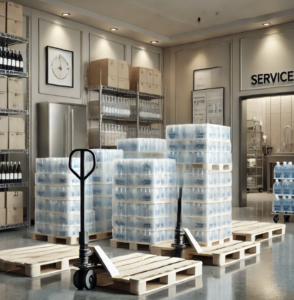
Hotels move an impressive amount of physical goods every week. Linens arrive by the cartload. Restaurant and bar inventory shows up on tight schedules. Replacement furniture, seasonal décor, bathroom supplies, paper products, and maintenance materials rotate constantly. Behind the scenes, pallets are one of the quiet tools that keep all of it organized, safe, and efficient.

When a hotel needs pallets for sale, it is rarely about buying “just pallets.” It is about protecting product, speeding up receiving, keeping storerooms tidy, supporting brand standards, and reducing labor strain in a department that already runs on deadlines. The best hotels treat pallets like a small logistics investment that prevents bigger operational headaches.

Why Hotels Buy Pallets Instead of Just Reusing Whatever Shows Up

Hotels receive shipments on mixed pallet types and conditions. Some arrive on rental pallets that must be returned. Others arrive on damaged wood that splinters, sheds nails, or fails under weight. Some deliveries show up on pallets that do not fit the property’s storage layout or pallet jacks. When a hotel standardizes the pallets it keeps on-site, operations tighten up.

A consistent pallet inventory helps receiving teams stage deliveries quickly, lets engineering store bulky items safely, and supports housekeeping backstock in a cleaner, more predictable way. Properties with multiple outlets or large banquet operations often find that owning a steady supply of clean, uniform pallets reduces time lost reorganizing piles of product. That savings shows up in labor, safety, and fewer damaged goods.

Hotel Purchasing Teams Often Start with Local Pallet Yards and Recyclers

The most common answer is also the most practical. Local pallet yards and pallet recyclers sell used pallets in many grades and dimensions, and they can usually deliver quickly. Hotels like this route because it is flexible. A property can buy a small batch for a renovation project, then reorder later based on how operations settle.

Used pallet suppliers typically offer standard sizes like GMA 48×40, plus specialty sizes that fit tighter storerooms. Many will sort by quality grade, which matters for hotels that want cleaner back-of-house storage and fewer splinters. Some suppliers also offer buy-back programs for excess pallets, which can help when a hotel is transitioning vendors or completing a major FF&E refresh.

National Pallet Suppliers Support Multi-Property Brands and Consistency

Management companies and hotel groups with multiple properties often prefer national or regional pallet suppliers. The appeal is consistent specs, documented quality, and predictable lead times. When corporate teams aim to standardize back-of-house workflows across a portfolio, pallets become part of that standardization in the same way shelving, carts, and bin systems do.

National suppliers also tend to offer heat-treated pallets, custom builds, and higher volumes for distribution hubs. That is especially useful for properties that centralize purchasing for multiple hotels, or for resorts and convention hotels that manage large receiving loads daily.

Industrial Supply Distributors and Warehouse Clubs Fill the “Need It This Week” Gap

Sometimes the need is immediate. A renovation starts early. A storeroom reorganization becomes urgent. A holiday season delivery schedule ramps up unexpectedly. In these moments, hotels often turn to industrial supply distributors and warehouse clubs for new pallets, plastic pallets, or nestable options that work well in humid environments and food-related storage areas.

This channel typically costs more per pallet than buying used locally, but it can solve a short-notice operational problem without waiting on manufacturing or sorting. For hotels that require a cleaner look in visible service corridors or near loading docks, new pallets also reduce the visual clutter that beat-up wood can create.

Foodservice and Beverage Distributors Can Be a Hidden Pallet Source

Hotels with restaurants, bars, catering, and banquet operations already work with beverage distributors and broadline foodservice suppliers. These vendors frequently move product on pallets and sometimes have surplus pallets available through their own logistics partners. When relationships are strong, a hotel can often arrange to purchase consistent pallet types through existing vendor channels or get introduced to the vendor’s pallet partner.

This route tends to work best when the hotel wants a specific pallet style that matches the flow of beverage storage, keg areas, dry goods rooms, or commissary-style layouts. It also keeps the solution close to the day-to-day reality of receiving, which is where pallet problems usually show up first.

Hospitality-Focused Procurement Networks and Industry Guidance Help Hotels Buy Smarter

Hotels that take procurement seriously usually keep a finger on the pulse of operational best practices and cost trends. Industry publications and associations regularly highlight supply chain pressures, labor realities, and back-of-house efficiency strategies. That context helps purchasing teams make practical decisions, including decisions as small as pallet sourcing, because small decisions compound over a year.

Staying informed through outlets like Hotel Management and HOTELS Magazine can keep buyers aware of broader operational trends that affect receiving and storage. Industry coverage from Skift Hotels and CoStar News: Hotels also helps hotel leaders track macro shifts that influence vendor availability and pricing. For an association-driven view of lodging operations and business priorities, LODGING Magazine provides ongoing coverage tied closely to the hotel industry.

How Hotels Match Pallet Type to Real Back-of-House Needs

A hotel that buys pallets thoughtfully usually chooses based on workflow, not habit. Wood pallets are common and cost-effective, especially when buying used. They work well for general receiving, maintenance storage, and many housekeeping supply stacks. Plastic pallets shine where moisture, sanitation perception, and durability matter more, such as near food storage areas or in damp environments. Heat-treated pallets matter when a property or supplier chain requires compliance for international movement or pest-risk reduction.

Hotels also benefit from consistency. A mix of random pallet sizes turns storerooms into puzzles. Standardizing on one or two sizes lets teams stack safely, label predictably, and stage deliveries without constant rearranging.

What Hotel Buyers Look for When Purchasing Pallets

Hotels are not warehouses, but hotel storerooms face many of the same risks. Smart buyers pay attention to a few practical factors.

Condition matters for safety and cleanliness. Broken deck boards and protruding nails create injuries and damage products. Load rating matters when stacking beverages, bulk paper goods, or banquet supplies. Compatibility matters with pallet jacks and the property’s door widths and storage layout. Delivery logistics matter because the receiving dock is usually busy and space is limited.

Hotels also balance cost with the brand experience. Even though pallets live behind the scenes, messy back-of-house areas often spill into service corridors, loading zones, and vendor entrances. A cleaner, more standardized pallet setup supports a more professional operation overall.

How Pallets Fit into the Bigger Hospitality Picture

Hospitality is a high-expectation business built on consistency. That is true for guest-facing details and it is true for behind-the-scenes logistics. The hospitality industry itself is broad and fast-moving, and the fundamentals of hotel operations connect to everything from labor to procurement to supply reliability. A clear grounding in what hotels are and how the sector functions helps teams make better operational calls, even at the micro level. The overview on Wikipedia’s Hotel page provides a helpful baseline for the role hotels play and the operational complexity they manage.

When a hotel treats pallets as a small operational asset, the payoff shows up in fewer receiving bottlenecks, cleaner storerooms, reduced product damage, and smoother coordination across departments. That kind of improvement protects guest experience indirectly because teams are less rushed, less strained, and better equipped to keep standards consistent.

Conclusion ✅

Hotels find pallets for sale through local pallet yards and recyclers, national pallet suppliers, industrial distributors, warehouse clubs, and sometimes even through existing food and beverage vendor relationships. The best approach depends on the property’s receiving volume, storage conditions, brand standards, and how quickly pallets are needed.

A reliable pallet strategy supports efficient receiving, safer storage, and cleaner back-of-house organization. That makes daily operations smoother, helps departments work together without friction, and keeps the hotel ready for the nonstop rhythm of hospitality. 🌟

Why a Highlands Ranch Hotel Needs Trusted Highlands Ranch Deck Building Companies 🌄

Hotel News for Highlands Ranch Deck Building Companies Near Me

A thriving hotel in Highlands Ranch isn’t just defined by its rooms, rates, or reputation—it’s defined by the experience it creates. Guests choose Colorado for the scenery, comfort, and fresh mountain air, and nothing elevates that experience quite like a beautifully crafted deck. Whether overlooking foothills, showcasing sunrise views, or creating outdoor dining and event spaces, decks are an asset with measurable business impact. This is why partnering with trusted Highlands Ranch Deck Building Companies is essential for hotels that want to stay competitive, modern, and unforgettable.

A professionally built deck transforms a hotel from a place to stay into a destination. In an era where travelers crave outdoor amenities, wellness-focused design, and Instagram-worthy spaces, hotels are adapting fast. The hospitality industry continues evolving, and many major hotel organizations have highlighted the importance of upgrading guest-facing environments. Publications like Hotel News Now and the American Hotel & Lodging Association consistently report how guest expectations are shifting toward outdoor gathering spaces, clean-air environments, and amenities that enhance relaxation. For Highlands Ranch hotels, a custom deck is no longer optional—it’s a strategic investment.

When done right, a deck becomes part of the hotel’s identity, storytelling, and overall guest satisfaction strategy.


Enhancing Guest Experience Through Outdoor Amenities

Hotels today compete not just with each other but also with short-term rentals offering expansive patios and private outdoor areas. This shift has been well documented across hospitality reports, including those from Lodging Magazine and Travel Weekly. To keep up, hotels must focus on creating inviting, nature-connected experiences.

A deck provides exactly that.

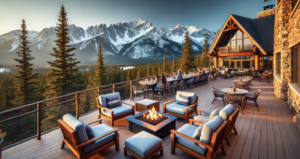
A thoughtfully built deck gives guests a peaceful outdoor space to enjoy complimentary breakfast, take business calls, read a book, or gather with friends and family. In a town like Highlands Ranch—known for its beautiful parks, trail systems, and welcoming community vibe—guests naturally want to be outside. A sturdy, attractive deck installed by experienced Highlands Ranch Deck Building Companies ensures the hotel delivers on that expectation.

Outdoor spaces also contribute to wellness-centric travel, an area highlighted by global hospitality analysts and even referenced in broader tourism discussions like those on Wikipedia’s Hospitality Industry. Hotels that offer open-air spaces benefit from increased guest satisfaction scores, which directly influence occupancy rates and long-term revenue.


Creating Versatile Spaces for Events and Revenue Growth

Event-driven revenue is crucial for hotels, and decks significantly expand a property’s ability to host gatherings. Industry sources such as Hotel Management and Business Travel News continue to emphasize the financial importance of adaptable event spaces within hotels.

A deck opens the door to:

• Outdoor weddings
• Corporate retreats
• Yoga or wellness classes
• Cocktail hours
• Seasonal celebrations
• Private dining experiences

Hotels with high-quality outdoor spaces attract more bookings—especially in areas like Highlands Ranch that appeal to both leisure and business travelers. A deck becomes not just a beautiful structure but a profit-generating asset.

This is especially true when a deck is designed with durability, safety, and aesthetics in mind. Highlands Ranch Deck Building Companies understand the climate, building codes, elevation, and unique environmental considerations of the region. Their local expertise ensures the deck is not only beautiful but fully functional year-round.


Staying Competitive in a Fast-Evolving Hospitality Market

The hospitality landscape is more competitive than ever. Hotels need visible differentiators—features guests can instantly recognize as added value. A deck provides a natural, welcoming environment that enhances curb appeal and supports brand positioning.

Industry publications such as Hospitality Net and Skift regularly discuss shifting traveler behaviors, noting the surge in demand for personalized, nature-connected guest experiences.

A deck built by top Highlands Ranch Deck Building Companies supports this trend by:

• Strengthening the hotel’s visual marketing
• Increasing positive guest reviews
• Creating more shareable social media moments
• Helping the hotel stand out in booking platforms

Hotels that offer outdoor spaces see an increase in photo uploads from guests—an organic marketing advantage backed by hospitality studies and highlighted by industry trend reports. When people share where they stay, they influence future bookings. A stunning deck becomes one of the hotel’s most photographed and talked-about features.


Improving Property Value and Long-Term ROI

In real estate and hospitality, property improvements equate to increased value. Decks are among the highest-ROI upgrades because they boost functionality, guest satisfaction, and aesthetic appeal simultaneously.

Reports from outlets such as Hospitality Design demonstrate that hotels investing in outdoor improvements often outperform competitors in both ADR (Average Daily Rate) and RevPAR (Revenue Per Available Room).

A deck can influence:

• Higher nightly booking rates
• Increased event bookings
• Stronger off-season performance
• Improved repeat guest rates

Because Highlands Ranch Deck Building Companies understand both commercial construction needs and the expectations of local tourism, they build decks that maintain long-term structural integrity—reducing maintenance costs and maximizing the lifespan of the investment.

Hotels that maintain modern outdoor spaces also benefit from improved brand reputation. Travelers associate well-maintained property features with overall hotel quality, creating a positive psychological connection that influences booking choices.


Safety, Compliance, and Professional Craftsmanship

Commercial decks must meet strict safety and building code requirements. Highlands Ranch Deck Building Companies bring the local knowledge needed to design and construct decks that comply with Colorado regulations, ensuring the hotel avoids risks, fines, or liability issues.

Guests naturally assume that every area of a hotel is safe. Hotels must uphold those expectations through high-quality design and meticulous construction practices.

Professionally built decks ensure:

• Proper load-bearing capacity
• Slip-resistant surfaces
• Weather-resistant materials
• Secure handrails and supports
• ADA accessibility when needed
• Fire-safety considerations

In an industry where safety is a core pillar—consistently reported by sources like Hotel Business—working with trusted professionals is not optional. It’s essential.


A Strong Reflection of the Hotel’s Brand

Guests interpret outdoor spaces as an immediate reflection of the hotel’s personality. A gorgeous, thoughtfully designed deck communicates care, craftsmanship, and attention to detail. It signals that the hotel invests in guest comfort—not just in marketing messages, but in real, visible features.

Decks can be customized to match the hotel’s style, whether rustic mountain lodge, modern boutique, or classic family-friendly retreat. Highlands Ranch Deck Building Companies can create:

• Multi-level decks
• Dining decks
• Poolside lounge decks
• Scenic overlook decks
• Fire-pit gathering areas
• Private balcony expansions

Every variation adds depth to the hotel’s identity and enhances the overall stay experience.


Conclusion: A Smart, Strategic Investment for Highlands Ranch Hotels 🌟

A deck is far more than an outdoor structure—it’s a strategic business enhancement that drives guest satisfaction, brand reputation, and year-round revenue. In Highlands Ranch, where natural beauty plays such an important role in the local experience, hotels can’t afford to overlook the value of professionally built outdoor spaces.

Partnering with trusted Highlands Ranch Deck Building Companies near me ensures the hotel receives a deck that’s safe, durable, visually stunning, and perfectly aligned with modern hospitality trends. It elevates the guest experience, expands event capabilities, and strengthens the hotel’s competitive edge.

In an industry shaped by innovation, evolving traveler expectations, and the demand for outdoor amenities, this investment is not just smart—it’s essential.

Why an Orlando Hotel Would Need Orlando Steel Building Construction

Hotel News for Orlando Steel Building Construction

Hotels in Orlando operate in one of the most competitive and fast-growing hospitality markets in the country. With millions of annual visitors, expanding attractions, and constant demand for new amenities, Orlando hotels have to build smarter, faster, and stronger. That’s exactly why Orlando steel building construction has become a powerful advantage for hotel owners who want durability, long-term savings, design flexibility, and the ability to scale as tourism grows. 🌴🏨

Steel structures aren’t just for warehouses or industrial plants—they’re a strategic solution for hotels looking to elevate their brand, improve guest satisfaction, reduce maintenance headaches, and prepare for the next era of hospitality design.

Below is a full breakdown of why steel construction is not only beneficial but often necessary for an Orlando hotel that wants to thrive.

Strength That Withstands Orlando Weather

Orlando weather is beautiful, but it’s also unpredictable. Hotels in Central Florida face intense heat, high humidity, heavy rainfall, and hurricane-grade winds. Because of this, construction decisions must prioritize longevity and resilience.

Steel buildings offer enhanced protection through high wind ratings, structurally sound framing systems, and superior load-bearing capacity. A hotel made with steel handles harsh weather better than most traditional materials, reducing damage risks during storms and helping owners recover faster.

Many hotels choose steel roofs, steel framing, or entire steel-based expansions because they know the structure can confidently withstand weather that often causes costly repairs to traditional builds. Steel also resists mold, termites, and rot—huge concerns in Florida’s subtropical climate.

Hotels must stay operational, especially in a tourism-heavy city like Orlando. Steel construction makes that possible with less downtime, less risk, and more peace of mind for owners and guests alike.

Cost Efficiency That Supports Long-Term Profitability

While a hotel’s architecture plays a major role in brand perception, the behind-the-scenes financials matter just as much. Orlando steel building construction offers one of the strongest returns on investment due to reduced maintenance costs, faster installation, and energy-saving capabilities.

Steel construction often has:

  • Lower long-term repair expenses

  • Better insulation options that reduce HVAC costs

  • Faster project timelines that get hotels operational sooner

  • Less ongoing maintenance compared to wood or concrete

Steel buildings can integrate energy-efficient technologies such as reflective roofing, insulated metal panels, and high-performance ventilation systems—key features for reducing energy consumption in a city where heat and humidity dominate most of the year.

This matters because hotels operate on tight margins and seasonal fluctuations. Long-term savings from steel construction allow Orlando hotel owners to reallocate funds where they matter most: guest experience, amenities, staff development, and upgrades that keep them competitive in the hospitality market.

Flexibility for Renovations, Expansions, and New Amenities

Hotels don’t stay the same. They grow, upgrade, and reinvent themselves to match guest expectations and keep up with hospitality trends. Steel buildings make these transitions easier because they offer unmatched design flexibility and modular adaptability.

Many Orlando hotels use steel construction for:

  • Expanding guest wings

  • Adding conference centers or event spaces

  • Creating covered drop-off zones

  • Building new restaurants or lounges

  • Upgrading poolside facilities

  • Adding gyms, spas, or recreational buildings

  • Constructing back-of-house storage or maintenance buildings

Steel allows architects to design wide, open spaces without multiple support columns. This is ideal for ballrooms, event centers, indoor attractions, themed restaurants, and luxury amenities—all of which Orlando hotels thrive on.

With millions of travelers seeking unique experiences, hotels must be able to evolve. Steel construction ensures that changes are not only possible but efficient, safe, and budget-friendly.

A Strong Competitive Edge in Orlando’s Hospitality Boom

Orlando ranks among the most visited cities in the United States. With theme parks like Walt Disney World, Universal Orlando, and SeaWorld expanding constantly, the tourism industry brings new hotels, attractions, and resorts every year.

To compete in this environment, hotels must innovate quickly.

Steel construction allows owners to build modern structures that meet today’s design standards—sleek facades, towering entrances, open-lobby layouts, and functional spaces that reflect current architectural trends. It also supports the development of specialized buildings, like VR rooms, indoor entertainment zones, or technologically advanced meeting spaces for business travelers.

Hotels using steel construction often enjoy:

  • Faster turnaround during renovations

  • Improved energy efficiency

  • Greater architectural creativity

  • Stronger brand identity

  • Better guest satisfaction through upgraded amenities

Orlando’s hospitality landscape is growing faster than ever. Steel construction helps hotels keep pace without compromising safety, aesthetics, or budget.

Sustainability That Appeals to Modern Travelers

Eco-friendly building design isn’t a trend—it’s an expectation. Travelers increasingly choose hotels that demonstrate sustainability, and Orlando’s hospitality industry is responding.

Steel construction aligns perfectly with green building initiatives because steel is highly recyclable, energy-efficient, and compatible with modern sustainable technologies. Many hotels using steel construction incorporate renewable energy systems, low-emission building materials, and efficient HVAC setups.

A growing number of Orlando hotel developers are adopting green building strategies to attract environmentally conscious travelers and reduce long-term operating expenses. Steel makes these goals easier by offering durability and efficiency without sacrificing design options.

Faster Construction Timelines to Keep Hotels Profitable

Time is one of the most valuable resources for hotel owners. Every day of downtime represents lost revenue, canceled bookings, and operational inconvenience.

Steel building systems are often pre-engineered, meaning many components are manufactured off-site and assembled quickly once delivered. This dramatically reduces construction timelines.

For hotels needing:

  • New wings

  • Renovated facilities

  • Event spaces

  • Outdoor structures

  • Additional guest amenities

Steel minimizes disruption and allows hotels to open their doors sooner.

This is especially important in Orlando, where peak tourism seasons—summer, holidays, conventions, and spring break—demand full operational capacity. Steel construction helps hotel owners prepare for these high-traffic periods without risking delays.

Back-of-House Structures Built to Last

An Orlando hotel needs functional, durable spaces for operations—laundry buildings, maintenance structures, storage areas, and loading docks. These behind-the-scenes structures must withstand heavy use and constant activity.

Steel buildings are ideal for these needs because they offer:

  • Long structural lifespan

  • Low maintenance

  • Large interior clearances

  • Fire resistance

  • Easy installation of shelving, equipment, and utilities

Hotels that streamline their operational infrastructure reduce service delays, improve staff efficiency, and maintain higher guest satisfaction. Steel ensures these mission-critical structures remain dependable through years of use.

Conclusion

Orlando steel building construction is more than an upgrade—it’s an essential strategy for hotel owners who want to stay competitive, safe, profitable, and prepared for the future. From weather durability to fast build times, from sustainability to design flexibility, steel offers everything an Orlando hotel needs to thrive in a rapidly growing hospitality market. 🌟

Whether the goal is expansion, renovation, or building something entirely new, steel construction provides a strong foundation—literally and figuratively—for long-term success.

Here are authority sources related to hotel industry developments, hospitality growth, and tourism trends:

Orlando’s tourism industry continues to expand—and hotels that build with steel are the ones prepared to grow with it.

Why a Hotel Would Need Healthcare Management Consulting: Strengthening Guest Wellness, Brand Trust, and Operational Excellence 🏨💡

Hotel News for Healthcare Management Consulting

Hotels and healthcare may seem like entirely different worlds — one built around hospitality and comfort, the other rooted in clinical expertise and patient care. But today’s travel landscape tells a different story. More guests expect wellness, safety, and elevated health experiences when picking where to stay.

For hotels that want to lead — not just compete — bringing in Healthcare Management Consulting isn’t just innovative… it’s a strategic leap forward.

From improving guest health experiences to navigating public-health compliance, the hotel industry is embracing a movement toward healthier, safer, and more supportive environments. And the properties that get ahead now will shape the future of hospitality.

Below, we break down why hotels benefit from expert healthcare-driven strategy and how it positions them for sustainable growth, resilience, and long-term guest loyalty.

Elevating the Guest Experience Through Wellness-Centered Operations

Hotels are no longer viewed only as places to sleep — they are lifestyle environments. Travelers increasingly prioritize well-being, mental health, clean air, nutrition, and restorative experiences when booking accommodations.

Healthcare management consultants bring the systems and structure to design, implement, and optimize wellness-centered guest offerings, such as:

• Enhanced sanitation and environmental hygiene procedures
• Mental-wellness spaces and stress-free guest flow
• Fitness, nutrition, and recovery-based guest services
• On-site health screening or telehealth partnerships
• Staff wellness initiatives that improve service quality

When health-focused experiences align with hospitality excellence, guests feel cared for on every level — emotionally, physically, and mentally. That creates a stay worth remembering and returning for.

Hotels that embrace this approach position themselves as destinations for well-being, not just lodging. And in a competitive market, that level of differentiation matters.

Public-Health Compliance and Crisis Preparedness

The hospitality sector witnessed firsthand how vulnerable travel industries are to public-health events. Policies, emergency response protocols, and infection-control strategies are no longer optional — they are essential.

Healthcare management consulting helps hotels by:

• Establishing clear health-safety protocols
• Designing crisis response and emergency communication plans
• Training staff to handle public-health standards confidently
• Ensuring ongoing compliance with regulatory requirements

Instead of scrambling when a health-related challenge arises, hotels that prepare can respond with clarity, confidence, and guest-centered care.

Guests notice. Corporate travel buyers notice. Event organizers notice. Confidence becomes a competitive asset — and preparedness builds trust.

Supporting Medical Tourism and Extended-Stay Health Travel

Medical tourism continues to grow as travelers seek specialized healthcare services nationwide and globally. These guests — and their families — often need accommodations that understand the emotional, logistical, and wellness needs associated with medical travel.

Healthcare management professionals help hotels:

• Build partnerships with healthcare providers and recovery centers
• Structure extended-stay programs for patients and caregivers
• Develop health-supportive amenities and environments
• Train staff in sensitivity, privacy, and care-oriented hospitality

This niche is powerful. It creates longer stays, consistent occupancy, and strong word-of-mouth within healthcare communities.

Mental Health and Staff Wellness — Strengthening Hospitality Teams

When staff feel supported, trained, and mentally healthy, guests feel it too. Hospitality is people-driven — and burnout, turnover, and stress affect service quality.

Healthcare management consultants help design staff programs that support:

• Emotional well-being
• Mental health access
• Healthy scheduling structures
• Crisis response and stress-management skills

This isn’t just caring — it’s strategic. Healthy employees deliver better service, stay longer with the company, and build a culture guests can feel the moment they walk in.

And one thing modern travelers look for? Energy. Warmth. Presence. All of that flows from happy, supported hospitality professionals.

Aligning With the Global Wellness Travel Movement 🌍✨

Wellness tourism is booming — from fitness-centered hotels to sleep-technology rooms to anti-stress travel packages. According to industry reporting from Hotel News Now, travel demand continues to rise and guests increasingly value experiences that go beyond traditional hospitality.

The future hotel isn’t just a stay — it’s a rejuvenation hub.

Healthcare management consulting brings the structure and medical-grade insight needed to create:

• Air-quality and filtration standards
• Wellness food and beverage programs
• Restorative sleep environments
• Active-travel and recovery programs
• Education-based guest wellness content

When hotels bring evidence-based wellness into the guest environment, they move from amenities to transformation — and that’s unforgettable.

Reputation Protection and Trust-Based Branding

Trust has become a marketing differentiator. Hotels that demonstrate authentic commitment to guest well-being build deeper loyalty and stronger brand value.

Healthcare experts help solidify that layer of trust by ensuring systems are not only polished on the surface — but strong behind the scenes.

This builds:

• Stronger guest reviews
• Higher satisfaction and retention
• Corporate and group booking confidence
• Greater resilience in fluctuating travel markets

And in a time when online reviews and social proof define success, health-driven credibility is a competitive advantage.

Supporting Senior, Assisted & Specialty Travel Programs

An aging population and global travel trends mean hotels increasingly serve guests with:

• Mobility needs
• Chronic health conditions
• Dietary and medication requirements
• Accessibility priorities

Healthcare management consulting empowers hotels to prepare intentionally — and serve with excellence. Because hospitality isn’t just about arrival — it’s about care throughout the stay.

Real Industry Insight Backing This Trend

Hotels evolving toward wellness-forward operations are part of a global movement, not a passing trend.

Industry resources reflect this shift, such as:

Hospitality industry — Wikipedia
Hotel News Now — Business hotel trends and travel insights
Hospitality Net — Wellness travel and future-focused hospitality analysis

These authoritative voices show the same momentum: wellness = revenue, resilience, and relevance.

Conclusion: Hospitality and Healthcare Are Converging — And Leading Hotels Will Embrace It

Guest expectations are shifting — and hotels that rise to meet them will lead the future of hospitality. Healthcare management consulting isn’t about turning hotels into clinics. It’s about elevating care, wellness, safety, and human-centered service.

It’s about designing environments that restore, protect, and empower every person who walks through the doors — guests and staff alike.

When a hotel invests in well-being, it sends a message:

You matter here.
Your health matters.
Your peace matters.

That message creates loyalty. It builds legacy. And it shapes brands people trust, recommend, and return to.

In the new era of hospitality, health isn’t a department — it’s a promise. And with the right expertise, it becomes a powerful competitive advantage that strengthens every layer of operations and guest experience.

✨ Healthy hotels are profitable hotels — and the future belongs to properties that care deeply, plan wisely, and lead boldly.

Partnership Power: Why Hotels and Automotive Fixed Ops Make a Surprisingly Perfect Team 🚗🏨

Fixed Ops for Hotel News

A seamless guest journey doesn’t stop at the lobby—and smart hoteliers know it. When a hotel partners with an automotive dealership’s Fixed Operations (service, parts, and collision), both sides unlock revenue, guest loyalty, and operational resilience that are hard to replicate any other way. Guests travel by car more than ever for regional leisure, business, and events; meanwhile, dealerships are hungry for creative ways to expand service volume and differentiate their brand experience beyond the showroom. Brought together, they create a locally rooted ecosystem of convenience, trust, and value that keeps travelers coming back and keeps service bays humming.

Below is a strategic blueprint for why this partnership works, how it delivers for both sides, and where to start.

A Shared Customer at the Center of the Experience

Hotel guests and automotive service customers are often the same people—time-pressed travelers, road-warriors on business, sports fans in town for a weekend, and families on longer road trips. When a hotel plugs into a nearby Fixed Ops department, the property can offer pre-arranged maintenance slots, discounted oil changes during stays, priority diagnostics, or even overnight service for guests who park and sleep. That turns vehicle upkeep from a hassle into a helpful amenity, and it keeps room nights secure because guests no longer need to interrupt their travel plans for routine service. For the dealership, the hotel becomes a steady funnel of qualified drivers who value convenience and are likely to approve recommended work when it doesn’t disrupt their trip.

Industry readers can track how hospitality’s best performers are bundling convenience and loyalty benefits across partners by following authoritative hotel-news outlets like Skift: Hotels and CoStar News: Hotels. These publications frequently spotlight the kinds of ancillary, local partnerships that move the needle on RevPAR, loyalty enrollment, and guest satisfaction. Skift+1

Revenue Stacking for Both Sides

Partnerships that solve a real guest problem tend to monetize themselves. A hotel can package “Stay + Service” offers—weekend rates paired with a discounted multi-point inspection, tire rotation, or AC check—driving both occupancy and ancillary revenue. The dealership gains predictable appointment flow on off-peak days, raises dollars per RO with well-timed convenience, and builds first-party relationships with out-of-market drivers who may return for bigger repairs later.

Hotels exploring RevPAR-plus strategies can glean case studies and executive commentary from Hospitality Net, which regularly features owner/operator insights on partnerships, F&B activations, and service bundles that enhance the total guest wallet share. Hospitality Net

Making Vehicle Care an Amenity, Not an Errand

Great hotels win with frictionless service. A dealership Fixed Ops team—when integrated thoughtfully—becomes an extension of the concierge:

  • Valet-to-Service: The guest hands keys to valet; the vehicle is shuttled to the dealership for scheduled work and returned before checkout.

  • After-Hours Drop & Overnight RO: Guests arriving late can authorize work via digital approvals; techs complete jobs by morning.

  • In-Lobby Status & Digital Payments: Service updates appear in the hotel’s app or via text; guests approve additional line items while relaxing at the bar or heading to a meeting.

  • Road-Trip Readiness: Seasonal safety checks, wiper replacements, and tire inspections packaged as “Peace-of-Mind” add-ons at booking.

This is the kind of end-to-end trip design the hotel trade press often highlights when discussing loyalty economics, mobile experience, and place-based partnerships. Outlets such as Skift regularly analyze how amenity ecosystems convert one-time guests into repeat, higher-value members. Skift

Upside for Group, Event, and Corporate Travel

Event planners love predictability. A hotel + Fixed Ops bundle can include negotiated shuttle maintenance, preferred turnaround for VIP speakers’ vehicles, or fleet checks for production crews. For corporate accounts, the property can offer tiered automotive perks—priority service windows, loaner coordination, or EV charging plus inspection—baked into the negotiated rate. It’s a win for travel managers who want to keep their teams productive, and it’s a win for dealerships who capture a steady stream of business travelers on repeat itineraries.

Trade publications frequently connect these dots between group business recovery, ancillary revenue, and local partnerships; news hubs like CoStar News — Hotels cover brand and owner strategies that de-risk group blocks and enhance total revenue per available guest. CoStar

Operational Resilience and Community Presence

Partnerships make properties and dealerships more resilient. During regional events, weather disruptions, or construction booms, a trusted local network enables fast problem-solving—loaner vehicles, rapid tire replacements, courtesy shuttles, or windshield repairs for stranded travelers. The hotel strengthens its role as a community anchor, while the dealership reinforces its customer-first reputation.

To situate this within the broader hospitality context, the Hospitality industry is fundamentally about integrated services that create comfort and continuity for guests—lodging, F&B, transport, events, and local experiences working in concert. A hotel–Fixed Ops alliance is a practical extension of that logic. Wikipedia

Brand Differentiation You Can See—and Sell

In competitive markets, small amenities can swing bookings. “Car-Care Concierge” becomes a marketable differentiator on OTAs and brand.com, highlighted in photos and copy alongside EV charging, wellness, and craft F&B. For lifestyle and boutique properties, automotive service bundles align with the story of local craft and thoughtful curation: guests aren’t just sleeping somewhere; they’re being looked after.

On the dealership side, marketing can position the service drive as the “official automotive partner” of a marquee hotel, with co-branded content, lobby signage, and seasonal offers. The halo effect is real: the hotel’s design, service ethos, and culinary credentials rub off on the dealership’s brand—and vice versa.

If you want to keep a finger on what resonates in hotel positioning and amenity storytelling, the hotel-news vertical at Skift: Hotels and the timely owner/operator coverage at Hospitality Net are invaluable reads. Skift+1

EV Momentum, Maintenance Windows, and Micro-Moments ⚡

EV adoption changes guest needs and opens new partnership canvases. Hotels with Level 2 or DC fast charging can pair charging sessions with “Quick-Check” inspections or software updates coordinated through the dealership’s service lane. For road-trippers, the dwell time while charging is ideal for small maintenance tasks; for urban business travelers, overnight charging plus a scheduled service pick-up eliminates weekday downtime.

These micro-moments—15 to 90 minutes of otherwise idle time—are conversion gold for Fixed Ops, and they elevate the perceived value of the hotel stay. Hotel-news outlets, including Daily Lodging Report by Skift, chronicle how tech and infrastructure shifts (EVs, IoT, mobile access) are redefining amenity mixes and operational partnerships. Skift

Data, Loyalty, and Measurable Lift

This partnership produces clean data loops:

  • Pre-Arrival: Offer add-on service during digital check-in to gauge demand and capture consent.

  • On-Property: Track uptake, approvals, and guest satisfaction in the PMS and CRM.

  • Post-Stay: Trigger dealership follow-ups (e.g., maintenance schedule) with the guest’s permission, while the hotel nurtures loyalty offers for return trips.

Analysts and trade media detail how loyalty ecosystems monetize these moments by aligning partners around shared KPIs—guest satisfaction, average daily rate lift via packages, and repeat intent. Skift’s market coverage explores the intersection of loyalty strategy, tech adoption, and ancillary revenue in clear, data-driven terms. Skift+1

How to Structure the Partnership Without Friction

A strong hotel–Fixed Ops program rests on four pillars:

  1. Clear Guest Journey Mapping
    Define points of discovery (booking engine, pre-arrival email), conversion (add-to-stay offers), and fulfillment (valet handoff, digital approvals, payment). Keep the experience native to the hotel’s brand voice and app.

  2. Operational SLAs and Training
    Align on response times, pick-up windows, inspection checklists, and communication protocols. Train front-desk, valet, and concierge teams on scripts and exception handling so no one improvises at peak hours.

  3. Simple, Transparent Pricing
    Package common services with tax and fees included, publish lead times, and set “no-surprise” parameters for additional work. Transparency builds trust and reduces front-desk escalations.

  4. Co-Marketing and Measurement
    Launch with a limited-time offer to spark awareness, then establish a cadence tied to local demand drivers—holidays, concerts, sports, conventions. Measure attach rate, satisfaction, repeat bookings, and service RO growth, and review monthly.

For ongoing examples of hotel owners and operators testing ancillary plays, browse the hotels coverage on CoStar News and Skift, which frequently showcase the tactics that separate leaders from laggards. CoStar+1

Local Ecosystems Work Best

The highest-performing programs are hyper-local. Proximity reduces friction; shared geography means easier shuttles and faster turnarounds; overlapping customer bases mean better word of mouth. Hotels can start with a single, quality-focused dealership partner and expand to additional brands as demand grows—especially valuable in markets with high drive-to visitation or seasonal events. Trade sources like Hospitality Net frequently highlight city-by-city narratives where owners win by building collaborative ecosystems rather than isolated amenities. Hospitality Net

Guest Well-Being and Peace of Mind 🧰

Ultimately, hospitality is about care. A road-weary family arriving with a slow leak finds relief when the front desk can coordinate a repair while they swim and sleep. A sales rep facing a tight morning meeting appreciates waking to a serviced vehicle with a full tank and a fresh invoice paid via mobile. These quiet moments—low drama, high empathy—create the kind of memory that fuels five-star reviews and repeat stays.

Framed within the broader definition of hospitality’s service tapestry, the Wikipedia entry on the hospitality industry places hotels within a network of services that, when aligned, transform stress into comfort. A dealership Fixed Ops partner is a natural, guest-friendly extension of that network. Wikipedia

Conclusion: Two Brands, One Seamless Journey

A hotel–automotive Fixed Ops partnership is not a gimmick. It is a practical, high-impact way to reduce traveler friction, unlock incremental revenue, and deepen community roots. Hotels gain a standout amenity that supports occupancy, ADR, and loyalty. Dealerships gain predictable service volume and a reputation for customer care that extends beyond the sales floor. Most importantly, guests gain time, confidence, and a sense that someone considered the whole journey—not just the check-in.

For leaders intent on building next-gen guest experiences, now is the moment to move from ideas to integrated execution. Map the journey, set the SLAs, tell the story together—and turn car care into a signature of true hospitality. ✨