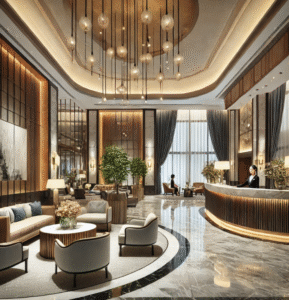

Building for the Future: Why a Texas Hotel Would Consider New Construction 🏨✨

Hotel News for New construction

Texas is home to a booming travel and tourism industry, fueled by business growth, major events, expanding cities, and a steady stream of visitors year-round. From bustling metros like Dallas, Houston, and Austin to fast-growing secondary cities, hotels play a crucial role in how Texas welcomes the world. But as guest expectations evolve and competition increases, many hotel owners are asking themselves a powerful question: Is it time to build something new?

New construction is more than just adding walls and rooms—it’s a forward-thinking investment in guest experience, operational efficiency, and long-term profitability. Rather than endlessly renovating aging properties, hotel owners are increasingly choosing to build fresh, modern, strategically located hotels that align with the future of hospitality. In Texas—where growth is constant and opportunity is everywhere—new construction can be a bold and intelligent move.

Below, we explore the compelling reasons a Texas hotel would pursue new construction and how it can unlock long-term success in one of the most competitive markets in the country.


Meeting Modern Guest Expectations with Purpose-Built Design


Guests today expect more than just a clean room—they want experiences. Modern travelers look for open-concept lobbies, integrated technology, flexible workspaces, wellness amenities, and environmentally intelligent facilities. Building a brand-new hotel allows owners to integrate these features from the ground up, rather than trying to retrofit outdated structures.

A new build supports energy-efficient systems, smart room technologies, sustainable materials, and ADA-compliant access. These features create a better stay for guests and improve operational efficiency for owners. According to Hotel News Resource, the most successful hotel properties today are being designed with multi-use spaces and digital-first convenience—features that are best achieved through new construction rather than patchwork renovations.


Capitalizing on Texas’ Expanding Markets and Tourism Growth


Texas continues to rank among the top states for job growth, business relocation, conventions, concerts, and sporting events. As Fortune 500 companies move in and major arenas expand, hotels are needed in growing areas that previously had little hospitality infrastructure.

Cities like Frisco, The Woodlands, San Marcos, and McKinney are exploding with development. By investing in new construction in these emerging hubs, hotels can gain a first-mover advantage, securing prime real estate before competitors. When placed in the right location, new builds can see rapid occupancy growth and strong market share.

To support the importance of Texas tourism and growth, the economic impact of the hotel industry is widely recognized by sources such as the American Hotel & Lodging Association, which highlights how new properties stimulate local economies, create jobs, and increase community revenue through taxes and tourism spending.


Branding, Identity, and Competitive Positioning


A new hotel presents a powerful branding opportunity. Whether launching a flagship property, upgrading to a higher-tier brand, or creating a boutique destination, new construction allows owners to align their property identity with modern market demand.

Older hotels may struggle with outdated architecture or dated brand associations. New construction solves this instantly by offering a fresh, cohesive, high-impact brand experience. This directly influences:

  • Rate positioning

  • Reputation scores

  • Guest loyalty

  • Market differentiation

In Texas, where every major city has a saturated hotel landscape, differentiation is everything. A newly constructed hotel can become “the place to stay”—especially when it offers something no one else does.


Cost Efficiency and Long-Term ROI Over Constant Renovations


While renovations seem cheaper short-term, constant upgrades can become more expensive over time. Older properties often have hidden maintenance issues, code compliance challenges, or structural limitations that increase cost and downtime.

New construction offers clean financial clarity:

  • Lower long-term maintenance costs

  • More efficient building systems

  • Better energy savings

  • Reduced repair disruptions

  • Higher property value

When everything is built to current standards, owners gain tax benefits, energy credits, and easier property management. This long-term financial stability can deliver higher returns on investment than continually sinking money into aging structures.


Aligning with Sustainability and Energy Efficiency Goals 🌱


Texas is not just about size—it’s becoming a leader in sustainability. Many cities are adopting greener building codes, and guests are now willing to choose hotels that prioritize the environment. According to Green Hotelier, hotels built with sustainability in mind can save up to 30% on energy and water costs.

New construction allows hotels to implement:

  • Solar or renewable energy solutions

  • Energy-efficient HVAC systems

  • Sustainable materials

  • Water-saving fixtures

  • Smart lighting and temperature controls

This not only improves the hotel’s reputation but also attracts eco-conscious travelers and groups—especially corporate clients with environmental policies.


Adapting to Changing Technology and Guest Experience


Technology is transforming hospitality faster than ever. Guests expect seamless mobile check-in, smart room controls, touch-free features, and high-speed connectivity. Older buildings often struggle to support the necessary infrastructure for these innovations.

New construction allows hotels to embed technology into the DNA of the building. This includes:

  • Fiber internet throughout the property

  • Smart energy management

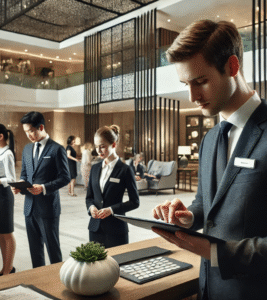
  • Digital front desk kiosks

  • Integrated security systems

  • In-room voice assistants

Hotels that are technologically advanced can increase guest satisfaction and reduce labor dependency—a major advantage in today’s staffing-constrained environment. Even Wikipedia’s entry on the hotel industry acknowledges that modern hotels are moving toward tech-driven operations to enhance efficiency and meet rising guest expectations.


Attracting Business Travelers, Conventions, and Events


Texas is a magnet for business travel, corporate events, and large conferences. Events like SXSW, the Houston Rodeo, and major sports tournaments draw massive crowds. Hotels that can offer modern meeting rooms, conference spaces, and elevated amenities have a competitive edge.

However, many older hotels lack the square footage or layout to support these profitable segments. New construction makes it possible to design:

  • Flexible meeting spaces

  • Large ballrooms

  • Audio-visual integration

  • Outdoor event areas

  • On-site dining and bars

By tailoring a property to event planners, a newly built hotel can become a top choice for high-value bookings and repeat corporate partnerships.


Preparing for Future Expansion and Market Trends


The hospitality landscape is constantly changing. Wellness tourism, mixed-use developments, extended stay brands, and luxury lifestyle hotels are on the rise. Building a new hotel with future scalability in mind allows owners to adapt quickly to evolving trends.

For example:

  • Designing with modular layouts

  • Adding rooftop amenities later

  • Preparing space for residential or retail integration

  • Allowing for additional wings or floors

Rather than being boxed in by an outdated footprint, new construction gives a Texas hotel flexibility—something that is priceless in a fast-moving market.


Enhanced Safety, Compliance, and Insurance Confidence


Older buildings may no longer meet modern fire protection, ADA, or structural codes. This can raise liability, reduce insurability, and risk closure for non-compliance.

New construction ensures the property meets or exceeds all safety standards from day one. Insurance providers often offer better rates to newly built hotels, reducing monthly overhead.

Additionally, building to withstand Texas weather—including extreme heat, hurricanes, and flooding—provides peace of mind and better resilience. This strategic approach protects both guests and the long-term investment.


Conclusion


New construction is more than just an upgrade—it is a strategic decision rooted in growth, efficiency, and relevance. For hotels in Texas, it opens the door to modern guest experiences, stronger branding, technological advantage, sustainability, and long-term profitability in a thriving market.

By building new rather than endlessly renovating the old, hotel owners position themselves for the future rather than reacting to the past. In a state known for innovation and expansion, new construction is not just a construction project—it is a statement of vision and leadership.

Texas rewards those who build boldly.
A brand-new hotel is not just a building—it’s a legacy. 🚀

The Best Historical Christian Fiction to Curl Up With at a Hotel 🧳📖

Hotel News for historical christian fiction books

Travel puts you in a liminal space—the lobby hum, the click of elevator doors, the hush of a late hallway. It’s the perfect atmosphere for time travel on the page. Historical Christian fiction offers rich settings, deep spiritual threads, and the kind of redemptive arcs that make a hotel night feel like a reset for the soul. Below you’ll find a curated list of can’t-miss reads, grouped by mood and length, plus quick tips for getting the most out of your hotel reading time.

Why Historical Christian Fiction Is Perfect for Hotel Reading

Hotels are built for focused reading: no laundry piles, no yard to mow, just a bed, a chair, a window, and a keycard that buys you solitude. Historical Christian fiction layers that quiet with meaning. You step into catacombs in ancient Rome, a windswept monastery, or the hush of a 19th-century mission school—and you come out changed. These novels center courage, conviction, and grace under pressure—ideal companions for travelers navigating their own in-between season. And because many of the best titles come in trilogies or connected sagas, a multi-night stay becomes a built-in reading plan.

Ancient World Epics (For when you’ve got a long layover or two nights in one place)

Ben-Hur: A Tale of the Christ by Lew Wallace
One of the genre’s founding pillars, Ben-Hur marries adventure, revenge, and a life-altering encounter with Jesus. Wallace’s pacing still lands today, and the famous chariot race will keep you up past midnight—yes, even on business travel. If you like sweeping narratives and a classic moral framework, this one rewards a longer stay.

Quo Vadis by Henryk Sienkiewicz
Set during Nero’s Rome, Quo Vadis follows believers navigating persecution and power. It’s a “read by lamplight” book—lyrical, intense, and spiritually substantial. The hotel setting amplifies the intimacy of the catacomb scenes; you’ll turn out the bedside lamp feeling both sobered and strangely strengthened.

The Robe by Lloyd C. Douglas
An elegant, meditative novel about a Roman tribune whose life is upended by the garment of Christ. If you want a slower burn that pairs well with a quiet evening and room-service tea, The Robe delivers a contemplative experience with a redemptive payoff.

A Voice in the Wind (Mark of the Lion, Book 1) by Francine Rivers
Rivers blends meticulous research with strong character work. Set in the brutal beauty of first-century Rome, the novel explores identity and hope under oppression. Because it’s the first in a trilogy, it’s perfect if your trip has a few open nights—you’ll want to keep going.

The Bronze Bow by Elizabeth George Speare
Technically YA, but thematically rich for adults, this compact novel set in Galilee is ideal if you’re in for one night and an early flight. You’ll still get the punch of transformation in a shorter package.

Medieval & Monastic Worlds (For rainy nights and lamplight vibes)

Byzantium by Stephen R. Lawhead
A 10th-century Irish monk is tasked with carrying a holy relic to the emperor in Constantinople. What follows is an odyssey of faith and culture. Lawhead’s descriptions of incense, icons, and imperial intrigue make a hotel room feel like a cloistered cell—in the best way. Great for sinking into after a long conference day.

The Hawk and the Dove by Penelope Wilcock
A tender, episodic portrait of abbey life that explores humility, forgiveness, and community. The chapters read like vespers—discrete, reflective, and restorative. Perfect if your schedule is scattered and you need meaningful reading in 20–30-minute windows.

Glimpses of the Moon (paired recommendation: try any medieval-era Christian historical with embedded prayers or psalms)
If you love the contemplative cadence of monastic literature, look for novels that weave in liturgy or hymn fragments. That rhythm can re-center you after a day of airports and meetings, especially when you read beside the soft glow of a bedside lamp. 🕯️

Missions, Cross-Cultural Encounters, and the Cost of Faith (For when you want gravitas)

Silence by Shūsaku Endō
Set in 17th-century Japan, this profound novel examines faith under persecution with nuance and compassion. It’s not light, but it’s honest—and sometimes a hotel stay gives you the privacy to wrestle with hard questions. Read slowly; let the quiet of your room mirror the book’s moral stillness.

Christy by Catherine Marshall
Turn-of-the-century Appalachia comes alive as a young teacher’s courage is tested and deepened. If you’re in a historic hotel or a small-town inn, the setting harmonizes beautifully with Christy’s world of mountain roads and one-room schoolhouses. Warm, hopeful, and ideal for winding down.

Two from Galilee by Marjorie Holmes
A romantic, humanizing retelling of Mary and Joseph. If you want something accessible that keeps a devotional heart without sacrificing storytelling, this will brighten even the most generic corporate suite.

Scripture-Rooted Sagas (For multi-night stays where momentum matters)

Chronicles of the Kings series by Lynn Austin (starting with Gods and Kings)
Austin brings the reigns of Ahaz and Hezekiah into vivid relief. These novels read fast, but they’re rich in cultural texture. Because each book wraps its arc while threading a larger tapestry, they’re ideal “one-per-night” reads on a week-long trip.

Mark of the Lion trilogy by Francine Rivers (continuing after A Voice in the Wind)
If the first book hooks you, your second hotel night is spoken for. Rivers balances romance, spiritual formation, and moral courage with propulsive pacing—great for people who want page-turners that still nourish the soul.

American Frontiers & Everyday Saints (For comfort reads that still carry weight)

Gilead-adjacent picks (for readers who like quiet spiritual depth)
While Marilynne Robinson’s Gilead isn’t historical Christian fiction in the conventional sense (and is more literary contemporary), readers who love its meditative tone often fall for historical novels that linger in prayer rooms, parlors, and kitchens. Seek out stories anchored in small communities where redemption shows up in ordinary decisions—perfect companions for the domestic cocoon of a hotel room.

The Zion Covenant / Zion Chronicles by Bodie and Brock Thoene
Set in the 1930s–40s with strong spiritual through-lines, these series blend espionage, romance, and courage. If your trip has a lot of airport time, the cliffhangers make layovers fly by (pun very much intended).

Short Stays: Slim Classics & Novellas (For a single night or tight schedule)

A Tale of Old-World Advent (anthologies & seasonal collections)
Many publishers collect historical Christmas or Advent novellas with distinctly Christian themes—bite-sized, atmospheric, and tailor-made for one-sitting reads between check-in and lights-out. They pair nicely with a hotel lobby’s seasonal décor or a quick hot chocolate run to the café downstairs. ☕️

Devotional-adjacent historicals
Some historical novels include endnotes with historical context, scripture references, or discussion questions. If you’re the kind of traveler who likes to journal, these features make a hotel desk feel like a little retreat center.

How to Choose the Right Book for Your Hotel Stay

  • Match the book to your itinerary. One night? Go short (The Bronze Bow, a monastic chapter cycle, or a seasonal novella). Two to three nights? Start a trilogy (Mark of the Lion) or pick a stand-alone with heft (Byzantium).

  • Pair the mood to the room. Sleek urban tower? Reach for political intrigue (Quo Vadis, The Robe). Quaint inn? Try Christy or a monastic tale.

  • Use the hotel rhythm. Early mornings before meetings are perfect for reflective chapters; late nights for plot-heavy sections.

  • Make it tactile. If you usually read digitally, consider grabbing a paperback. A physical book anchors you when travel makes everything else feel ephemeral.

  • Lean into themes of pilgrimage. Travel is a soul movement. Stories about exile, return, and calling resonate more deeply when you’re living out your own mini-pilgrimage from check-in to check-out.

Quick Picks by Reading Window

  • 3–4 hours (one evening): The Bronze Bow (Speare); a medieval abbey episode from The Hawk and the Dove (Wilcock); a seasonal historical novella collection.

  • 6–8 hours (two evenings): The Robe (Douglas); Christy (Marshall).

  • 10–12 hours (two to three evenings): Ben-Hur (Wallace); Byzantium (Lawhead); A Voice in the Wind (Rivers).

  • Series binge (multi-night or frequent traveler): Mark of the Lion (Rivers); Chronicles of the Kings (Austin); Zion Covenant/Chronicles (Thoene).

Stay Bookish—and Stay Hotel-Savvy

If you’re a hospitality nerd like many of us, you might also enjoy keeping an eye on hotel industry headlines between chapters. These authority sources cover openings, trends, and data shaping the places you stay:

  • CoStar News: Hotels — global hotel industry reporting and analysis (formerly Hotel News Now). CoStar

  • Hospitality Net — a comprehensive hub for hotel openings, appointments, tech, and opinion from across the industry. Hospitality Net

  • Wikipedia entry on STR, Inc. — the hotel analytics firm historically associated with hotel news and benchmarking. Wikipedia

Bookmark a couple of those on your phone; when your eyes need a break from the novel, a quick scan of hotel news pairs nicely with that lobby espresso.

Conclusion: Let Your Next Check-In Double as a Step Back in Time

A good hotel stay is a pause button; historical christian fiction books turns that pause into pilgrimage. Whether you’re racing chariots in Ben-Hur, standing candle-still in a monastery with The Hawk and the Dove, or crossing seas beside a 10th-century monk in Byzantium, these stories meet you in the quiet and send you home with a steadier heart. Pack one of the titles above, let the hum of the HVAC become your white noise, and remember: every hotel door closes on a little sanctuary of time. Open a book, step through history, and let grace follow you to the front desk in the morning. ✨

Why Many Dallas Hotels Are Embracing Healthy Home Architecture 🌿

Hotel News for Healthy Home Architecture

Dallas hospitality is in the middle of a quiet, meaningful shift. Beyond glossy lobbies and skyline views, many properties are redesigning rooms and back-of-house systems to prioritize cleaner air, healthier materials, better lighting, and restorative sleep. Collectively, these choices fall under “Healthy Home Architecture”—the design and operational practices that make indoor environments measurably better for human well-being. In a market where travelers have more choices than ever, Dallas hotels are leaning into health-forward design to win loyalty, strengthen group business, and future-proof assets for the long term.

Travelers now expect more than cleanliness; they want spaces that help them feel and function better. In North Texas—where heat, humidity, allergy seasons, and rapid development all converge—Healthy Home Architecture gives hotels a practical edge. Think upgraded filtration and ventilation, verified indoor air quality (IAQ), low-VOC finishes, acoustic control, circadian lighting, optimized water systems, and biophilic design that brings nature indoors. These aren’t just “nice to have” amenities. They’re becoming a strategic foundation for guest experience and asset value—especially as wellness-minded travel grows and owners eye durable ROI. Hotel trade publications have been tracking the trend: IAQ is becoming a bookable attribute, wellness standards like WELL and RESET are moving from optional to expected, and the market is learning which wellness investments actually pay. Hotel Management+2Hotel Management+2

The Business Case: Why Healthier Rooms Win in Dallas

Dallas is a high-stakes hotel market with strong corporate, meetings, leisure, and sports demand. When supply is competitive, small differentiators matter—particularly ones guests can feel. IAQ programs, allergen-aware materials, and quieter rooms translate into better sleep and sharper days for business travelers and families alike. That perceived uplift supports rate premiums and repeat stays. Industry coverage shows hotels are now packaging air quality as a selectable attribute at booking—a strong signal that wellness features drive real buying decisions. Hotel Management

At the same time, owners are seeking wellness strategies that deliver long-term value (not just spa revenue). Analyses from hotel-news outlets point out that large, labor-intensive wellness facilities don’t automatically guarantee higher profit, so the focus is shifting to “every-room wellness” that scales efficiently: air, light, acoustics, sleep, and cleanliness. This is precisely where Healthy Home Architecture shines. Skift

Healthier Air: From Back-End Systems to Bookable Features

Dallas hotels face months of AC-heavy operation, pollen bursts, and ozone alerts. Upgrading to higher-grade filtration, balancing ventilation, keeping humidity in a comfortable band, and monitoring IAQ in real time all make rooms feel fresher and guests more comfortable. Crucially, the industry is beginning to treat air as an amenity—some solutions even certify rooms so travelers can choose “fresh-air verified” at checkout, similar to selecting a view or bed type. That’s a powerful lever for both ADR and guest satisfaction. Hotel Management

Beyond individual products, executives interviewed in hotel trade publications expect third-party wellness frameworks (like WELL and RESET) to become essential. These frameworks measure air, light, thermal comfort, and more—pushing hotels to document and improve the fundamentals rather than rely on claims. In a market like Dallas, verification turns a marketing message into trust. Hotel Management

Materials, Cleaners, and Surfaces Guests Can Breathe Around

Healthy Home Architecture prioritizes low- or no-VOC paints, adhesives, sealants, and furnishings, along with fragrance-free or low-irritant cleaning protocols. Guests with sensitivities notice the difference—especially in newly renovated corridors and rooms. Spa leaders and operators report strong demand for hypoallergenic products and air purification, with design details like soundproofing and natural materials shaping a calmer, more restorative environment. Those preferences spill beyond the spa and into guestrooms, meeting spaces, and public areas. Hotel Management

Light, Sleep, and Human-Centric Design

Good sleep is the ultimate loyalty program. Circadian-supportive lighting (warmer at night, brighter/blue-enriched during the day), blackout solutions, and noise control are now part of Healthy Home Architecture checklists. Executives forecast a future where hotels track and optimize sleep-related metrics alongside air and light—bringing a “science of rest” into brand standards and renovation scopes. Dallas properties that incorporate these elements can both impress leisure travelers and give meeting planners a performance-enhancing talking point. Hotel Management

Wellness That Works for Groups and Meetings

Planners are looking for flexible spaces with natural light and restorative break areas; “living room-style” configurations can boost engagement and reduce fatigue. When the base building supports clean air, daylighting, and acoustics, hotels can stage healthier events without expensive one-off overlays. For Dallas—home to robust convention and corporate calendars—that’s a clear revenue advantage. Hotel Management

Data, Standards, and What Actually Pays Off

Wellness tourism is growing, but industry reporting makes a key point: profitability hinges on picking the right levers. Minor-wellness strategies—thoughtful enhancements to air, water, sleep, nutrition, and movement—have been outperforming “major wellness” concepts (think sprawling, labor-heavy facilities) in certain data sets. For Dallas owners, Healthy Home Architecture provides a measured path: invest in the room and core systems first, use recognized standards to verify gains, and communicate benefits clearly to guests and planners. Hospitality Net

Sustainability Meets Wellness (and Disclosure)

Healthy Home Architecture dovetails with ESG and brand-level commitments. As more hotel groups and partners push for eco-certifications and stronger auditing, the same upgrades that cut emissions—efficient HVAC, better envelopes, responsible materials—often improve guest health markers. Guests increasingly reward properties that can show real progress, not just pledges. Dallas hotels that align building-level wellness with credible sustainability milestones will stand out to both leisure travelers and corporate buyers. Hospitality Net+1

Practical Moves Dallas Hotels Are Making Right Now

  • Commissioning HVAC for tighter control: balancing fresh air, filtration, and humidity for year-round comfort. Guests feel it instantly when rooms are neither stuffy nor overly dry. Hotel Management

  • Selecting low-VOC paints, adhesives, and finishes during refreshes to reduce odors and irritation in newly renovated floors. Hotel Management

  • Piloting room-level IAQ sensors and offering “fresh-air certified” inventory as a premium choice. This transforms an invisible improvement into a bookable benefit. Hotel Management

  • Upgrading lighting to support circadian rhythms and sleep quality in guestrooms and rethinking meeting-space layouts to maximize daylight and reduce fatigue. Hotel Management+1

  • Evolving spa and fitness from standalone amenities into property-wide wellness cues—materials, acoustics, scents, plants—that carry into lobbies and corridors. Hotel Management

How Healthy Home Architecture Shows Up in the P&L

Owners often ask, “Will it pay?” The industry narrative is getting clearer: not every wellness dollar returns equally, but health-centric room and system upgrades tend to yield more resilient returns than staffing-intensive concepts alone. The logic is straightforward—every guest benefits from cleaner air, quieter rooms, and better sleep. That universal impact supports rate premiums, review scores, and group conversion, while also reducing complaints and maintenance tied to moisture or IAQ issues. Trade coverage underscores the shift toward standardized measurement and smarter selection of wellness investments to protect margins. Skift+1

Messaging Matters: Turning Building Science into Guest Value

Upgrades only move the needle if guests and planners know about them. Dallas hotels adopting Healthy Home Architecture are training teams to articulate benefits in plain language (“fresh-air certified,” “allergen-aware rooms,” “sleep-supportive lighting”) and placing these cues where they influence decisions: booking engines, RFP responses, event decks, and on-property signage. The industry’s move to make air quality bookable is a template—take the invisible, verify it, and make it selectable. Hotel Management

Where the Trend Is Headed

Looking ahead, hotel-news reporting points to broader wellness frameworks, more transparent metrics, and a blending of sustainability with guest-health outcomes. Expect stronger verification (WELL/RESET), granular IAQ and light monitoring, and design moves that make lobbies, rooms, and meeting spaces feel like restorative third places—not just pass-through zones. Dallas is well positioned: a hub city with ambitious development, savvy owners, and guests who notice quality. Hotel Management

Conclusion

Healthy Home Architecture Dallas is more than a design style—it’s a strategy. For Dallas hotels, it meets the moment: guests craving cleaner, calmer spaces; planners prioritizing well-being; brands and owners seeking verifiable improvements that hold their value. By investing in air, light, acoustics, materials, and water—and by verifying and communicating those gains—Dallas properties can deliver experiences that feel better today and perform better over time. That’s not a fad. It’s the new foundation for hospitality in North Texas. 🌟


Further reading from hotel-industry news sources

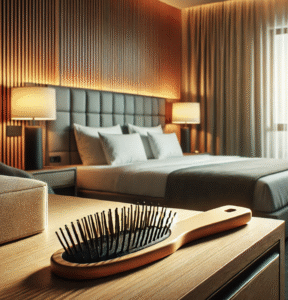
The Simple, High-Margin Amenity Hotels Overlook: Why You Should Sell Paddle Brushes 🧳✨

Hotel News for Paddle Brush

Hotels are constantly searching for ways to deepen guest satisfaction while unlocking fresh, low-lift revenue. One small but mighty opportunity keeps getting missed: selling a well-designed paddle brush onsite. This everyday essential checks all the boxes—forgotten-item rescue, spa-quality experience, sustainable upgrade, and branded keepsake—while fitting perfectly into lobby retail, gift shops, and even in-room marketplaces. Below, you’ll find a practical, guest-centric case for adding paddle brushes to your assortment, plus how to merchandise, price, and market them for maximum impact.

The Case for Convenience: Forgotten Essentials Become Delight Moments 🧴🛍️

Every traveler knows the scramble: your hairbrush is sitting at home on the bathroom counter and check-in is in 10 minutes. Stocking paddle brushes solves a high-friction, high-frequency problem in a way that meets guests right where they are. Convenience retail has been steadily evolving in hotels—lobbies are no longer just a pass-through; they’re multifunctional spaces, increasingly used for co-working, pop-ups, and smart retail moments. Curating a compact, smartly priced essentials wall that includes paddle brushes isn’t just helpful—it’s the kind of “you thought of everything” touch guests remember and share. Hotel Management

Convenience doesn’t just belong at the front desk. As brands rethink lobby flows and shop placement, retail is moving into more visible, guest-friendly zones. Prototype updates at major flags have emphasized repositioning retail to more prominent areas—because placement drives discovery, and discovery drives impulse purchase. A paddle brush is a classic example of a low-consideration buy guests happily add on at checkout. Hotel Management+1

A Better Guest Experience: From “Forgot It” Fix to Delightful Upgrade 💇‍♀️🌿

A paddle brush isn’t merely a replacement item; it’s an upgrade. Larger surface area and cushioned bristles distribute pressure evenly, reduce pulling, and smooth hair faster—especially useful for blowouts before dinner, weddings on property, or conference keynotes first thing in the morning. Hotels that sell a mid-tier and a premium option (think anti-static, heat-resistant, or with detangling pins) position themselves as partners in the guest’s day going right. The key is to present it as a boost to confidence and comfort, not as a last-resort emergency buy.

This aligns with a broader movement in hotels to craft sensorial, wellness-forward experiences—scent, sound, and touch that underscore brand identity and calm. A quality paddle brush quietly supports that promise in the most personal part of the routine: getting ready. Hotel Management

Sustainability Is the New Standard: Stock Brushes That Feel Good and Do Good 🌎♻️

Sustainability has shifted from “nice to have” to “table stakes” across the industry. As properties reduce single-use plastics and introduce bulk amenities, guests increasingly expect durable, reusable options that align with eco-friendly operations. Featuring bamboo-handled or recycled-material paddle brushes complements other waste-reduction measures and signals consistency between what you say (green initiatives) and what you sell (responsible retail). LODGING Magazine+1

Practical tip: group eco-friendly brushes with your refillable bath amenity storytelling (dispenser signage, QR codes, or tent cards). When guests see you’ve eliminated minis, offer an elevated, sustainable brush as part of the same “better for you, better for the planet” narrative.

Ancillary Revenue That Guests Actually Appreciate 💵🙌

Ancillary revenue works best when it feels like service, not surcharge. A paddle brush is a value-forward add: it solves an immediate need, enhances the stay, and travels home as a functional souvenir. And because it’s compact with strong perceived value, the margins can be excellent—especially when you offer a good-better-best assortment. Industry conversation continues to highlight how small, thoughtful retail wins can stack up across limited- and full-service properties without adding operational drag. Hotel Management

To reduce friction even further, use digital ordering (app, web, or QR) and offer pickup at the front desk or delivery to the room. The same best practices hotels use to recover abandoned carts in direct bookings—clear CTAs, urgency cues, and guest-centric copy—translate nicely to micro-retail flows for amenities like brushes. Hospitality Net

Where to Sell: Your Most Natural Retail Touch points 🧭

1) Lobby retail and market corners

Make paddle brushes highly visible near other “ready-to-get-ready” items: travel-size heat protectant, hair ties, mini hair spray, and dry shampoo. If your lobby already hosts pop-ups or doubles as co-working by day and bar by night, a micro-display at the point of sale catches impulse shoppers who didn’t realize they needed a brush until they headed out. Hotel Management

2) Spa, salon, and pool cabanas

If you have spa services, a premium brush pairs naturally with blowouts or scalp treatments. At the pool, brushing out sea-salt or chlorine tangles is an immediate need—offer a “beach-ready hair kit” bundle (brush + detangler + scrunchie).

3) In-room QR menus and amenity catalogs

Place a discrete QR on the vanity mirror: “Need a brush? We’ve got you—scan for delivery in minutes.” This reduces calls to the front desk, speeds fulfillment, and keeps housekeeping carts lighter.

4) Event and wedding sales

Bridal parties and meeting attendees often request on-property beauty conveniences. Pre-sell “green rooms” or bridal suite kits with paddle brushes included, then offer buy-to-keep pricing.

Merchandising That Moves: How to Make Paddle Brushes Fly Off the Shelf 🛒⚡

  1. Curate tiers
    Offer three SKUs: entry (smooth-touch plastic), sustainable mid-tier (bamboo or recycled), and premium (heat-resistant or anti-static pins). Price bands like $12, $18, and $24 test well for perceived value without sticker shock.

  2. Bundle with purpose
    Create “Get-Ready Kits” (brush + detangler + hair ties), “Beach-Day Kits” (brush + leave-in + microfiber towel), or “Conference Confidence Kits” (brush + mini hairspray + lint roller). Bundles nudge average order value up while solving a scenario.

  3. Tell a story
    Micro-signage beats feature lists. Try: “Smooth in 60 seconds.” “Gentle on scalps, tough on tangles.” “Bamboo handle. Better for you, better for the planet.”

  4. Place where decisions happen
    Put a tester brush (secured) at the market mirror, next to the elevator bank display, or near the spa checkout. Movement and mirrors encourage the “oh right, I need this” moment.

  5. Enable tap-to-pay and room-charge
    Fast checkout fuels impulse buys. If a guest can grab-and-go with Apple Pay or charge to room, you’ve removed the final barrier.

Brand Lift: From Commodity to Memory-Maker 🎁

Branded paddle brushes turn a necessity into a keepsake. Subtle laser-etching or a tasteful logo lockup can transform a $18 add-on into subtle, long-life advertising—used daily at home, it keeps your property top-of-mind. This approach pairs especially well with properties leaning into local flavor, mixed-use footprints, and community retail programming. As hotels reimagine their spaces to serve multiple roles—hospitality, retail, event, and co-working—thoughtful merchandise becomes part of the place-making fabric. Hotel Management+1

Operations Made Easy: Procurement, Training, and Controls 🧰

• Sourcing: Choose a vendor that offers consistent inventory, mid-tier and premium options, and eco materials. Request retail-ready packaging that hangs or stands.
• Stock levels: Start with 1–1.5 units per occupied room per month in peak season if you’ve never sold personal care before; adjust based on sell-through after 60 days.
• Loss prevention: Use small pegged displays near staffed areas and a locked tester.
• Housekeeping alignment: Train teams to reference retail options when a brush is requested via phone or app; offer immediate delivery to the room and update your PMS notes.
• Data and pricing: Test weekend vs. weekday pricing during events; monitor sell-through in your POS and reorder before the “red zone.”

Digital Discovery: Turn Micro-Retail into Macro Reputation 📱⭐

Promote your “Get-Ready Station” on the Wi-Fi splash page and TV welcome screen. In your booking path or pre-arrival emails, feature a quick “Did you pack your brush?” prompt with a note that essentials are available onsite. The same direct-booking optimization principles—clear CTAs, smart timing, and simple copy—can be used to spotlight retail that eases travel pain points. This alignment between ecommerce discipline and on-property merchandising is where many hotels see easy, measurable wins. Hospitality Net

Real-World Fit: Why Paddle Brushes Belong in Today’s Lobbies and Marketplaces 🏷️

Design and operations coverage across hotel news continues to highlight lobbies as flexible stages for brand storytelling and revenue—co-working by day, social by night, retail always within reach. When brands refresh their prototypes, the lobby shop’s placement and prominence are no longer an afterthought—they’re central to welcome and flow. A simple, high-utility item like a paddle brush succeeds in these evolving spaces because it meets an immediate guest need with minimal training and inventory risk. Hotel Management+1

Quick Start Checklist ✅

• Select three paddle brush SKUs (good/better/best), including one sustainable option
• Price at strategic bands and create two bundles that map to your guest profiles
• Place displays in three zones: lobby shop, spa/fitness, and in-room QR catalog
• Add a tester and mirror near the market; enable tap-to-pay and room-charge
• Train front desk and housekeeping on quick delivery language
• Track weekly sell-through; reorder before hitting minimums

Conclusion: Small Item, Big Upside

Selling a paddle brush is the definition of smart hospitality retail: it removes friction from the guest journey, amplifies your wellness-and-care ethos, and yields reliable ancillary revenue at excellent margins. With thoughtful merchandising, sustainable options, and simple digital pathways to purchase, this unassuming essential can punch far above its weight—turning a potential frustration into a feel-good moment guests will remember every time they get ready.


Hotel News sources to explore and inspire implementation:

• How to turn hotel spaces into multipurpose venues (Hotel Management). Hotel Management
• Not Wasting Away: What Can Be Done to Reduce Refuse in Hotels (Lodging Magazine). LODGING Magazine
• Hilton launches North American prototype for Hampton brand (Hotel Management). Hotel Management
• Hotel cart abandonment recovery: the multi-channel playbook (Hospitality Net). Hospitality Net

Why Hotels Are Investing in Rainwater Tanks: Savings, Resilience, and a Stronger Brand 💧

Hotel News for Rainwater Tanks

Hotels operate on tight margins, fluctuating demand, and growing expectations from guests and corporate travel buyers. Add rising utility costs, water stress in many destinations, and stricter local regulations, and it’s clear why smart operators are rethinking how they source and use every drop. Enter rainwater tanks—modern, hygienic, code-compliant systems that capture and repurpose rainfall for non-potable uses. Around the world, forward-thinking hotels are installing rainwater harvesting to cut costs, improve resilience during droughts and supply interruptions, and demonstrate visible sustainability leadership that guests can see and appreciate.

Below, we break down the business case, the operational wins, and the practical steps hotels can take to adopt rainwater tanks with confidence.

The Business Case: Lower Utility Bills, Faster Payback, Long-Term Value 📈

For most properties, water is a top-three utility line item. Landscaping, back-of-house cleaning, and toilet flushing are all heavy users that don’t require potable water. Rainwater tanks let you move a significant portion of that demand off the municipal meter and onto the sky, immediately softening the hit to your operating budget. As a result, many hotels see a practical pathway to ROI through avoided water purchases, reduced sewer/stormwater fees in some jurisdictions, and fewer peak-demand surcharges.

This isn’t just theory. Hotel trade press has highlighted hotels that pair efficiency upgrades with rainwater harvesting to rein in utility expenses while strengthening sustainability narratives for guests and owners alike. For example, see coverage of water-saving strategies and rain capture in Lodging Magazine, Hospitality Net, and Hotel Management. Each of these outlets points to rainwater harvesting as a credible tactic within broader water stewardship programs—meaning it’s recognized, understood, and increasingly expected within the industry conversation.

Resilience Guests Don’t See—But Owners Feel 🌦️

Water restrictions and supply interruptions can quickly become brand and operational headaches. A well-designed rainwater system provides a buffer: when municipal supplies tighten or drought advisories kick in, hotels that can irrigate with harvested rainwater—or flush restrooms on public levels using non-potable storage—keep experiences consistent without scrambling for short-term fixes. That resilience matters during special events, high-season spikes, and periods when even small disruptions can cascade into housekeeping delays, facility closures, or lower guest satisfaction.

Resilience also extends to stormwater management. On properties with large roofs and hardscaping, capturing rainfall reduces runoff, helps comply with local rules, and can mitigate flooding on site. In some markets, stormwater fee structures reward properties that reduce discharge volume or flow—another small but compounding financial benefit.

A Visible Sustainability Win That Resonates With Travelers 🌿

Modern travelers care about impact, and corporate travel buyers increasingly bake environmental criteria into RFPs. Rainwater tanks are a tangible initiative your team can explain in a sentence at check-in, on a lobby plaque, or in a digital compendium: “This hotel captures rainwater for landscaping and back-of-house cleaning to conserve potable water.” Clear, simple, real. It pairs seamlessly with other measures—towel/linen programs, high-efficiency fixtures, and smart irrigation—so your narrative is about a holistic approach rather than a one-off tactic.

The best part? Guests never have to compromise. Rainwater systems are typically dedicated to non-potable uses behind the scenes—irrigation, toilet flushing, loading-dock washdown—so the in-room experience remains premium while your back end does more with less.

Where Rainwater Tanks Deliver the Biggest Impact in Hotels

Hotels are complex buildings with multiple water endpoints. The most common, high-value applications for harvested rainwater include:

  1. Landscaping and exterior cleaning
    Irrigation is a natural fit. Using rainwater for gardens, green roofs, and groundcover not only cuts potable demand; it also allows for more frequent watering during heat waves without spiking your utility bill. Exterior hardscape washdowns and loading-dock cleanup are similarly well-suited to non-potable supply.

  2. Toilet flushing in public areas
    Many properties plumb public-level restrooms to a non-potable line supplied by rainwater storage. With proper filtration and backflow prevention, this delivers continuous, predictable savings with minimal guest visibility.

  3. Housekeeping and back-of-house uses
    Non-food-contact cleaning tasks—think service corridors or certain maintenance functions—can often shift to harvested rainwater after appropriate filtration.

  4. Cooling towers and mechanical systems (case-by-case)
    In some jurisdictions and designs, pre-treated rainwater can supplement make-up water for cooling towers. This requires careful engineering and water quality controls, but for large conference hotels and resorts, the savings can be material.

  5. Compliance and site management
    Rain capture can reduce the complexity of on-site stormwater controls, easing pressure on drainage infrastructure and aligning projects with local development approvals.

How Rainwater Tanks Work—And What to Consider Before You Install 🔧

A modern hotel rainwater system is neither rustic nor risky. It’s engineered and code-compliant, typically including:

• Collection: Roof catchment directs rainfall via gutters/downpipes to a first-flush diverter that removes debris.
• Filtration: Screens and media filters remove particulates; UV or chlorination can be added depending on use and local codes.
• Storage: Above- or below-ground tanks (poly, fiberglass, concrete, or modular “bladder” systems) sized to local rainfall, roof area, and target loads.
• Distribution: A dedicated non-potable line with pressure boosting, backflow prevention, and color-coded labeling to prevent cross-connection.
• Controls and monitoring: Level sensors, automated pump staging, and integration with the building management system (BMS) to prioritize harvested water when available and seamlessly switch to municipal supply when tanks are low.

Before you begin, align these considerations:

• Codes and health regulations: Some markets restrict where non-potable water can be used; involve the AHJ (authority having jurisdiction) and your plumbing engineer early.
• Water balance: Estimate annual capture using roof area and local rainfall data, then map it against target uses. Many hotels discover that even modest storage offsets a surprising portion of irrigation and public-area flushing.
• Filtration standards: Match treatment to intended use, maintenance capacity, and compliance requirements.
• Space planning: Identify underutilized zones (e.g., beneath loading ramps, service courts) for tank placement and allow safe vehicle access for maintenance.
• Messaging: Plan guest-facing signage and digital content to turn your system into a positive brand touchpoint rather than a hidden feature.

Dollars and Sense: Procurement, Phasing, and ESG Integration

From an owner’s perspective, rainwater tanks are compelling because they can be phased and procured alongside other planned capital projects:

• Pair with exterior refresh: When redoing landscaping, add irrigation line changes and tie-ins to a new non-potable loop.
• Link to restroom upgrades: If you’re refreshing public restrooms, that’s the perfect window to plumb a dedicated non-potable supply.
• Fold into a roof replacement: New membranes and drainage details often make catchment and first-flush design easier and cheaper.

These projects also score well in ESG frameworks. They’re measurable (gallons captured and reused), auditable (metering on non-potable lines), and relatable (easy to explain in CSR reports, investor decks, and sustainability microsites). That’s why industry coverage keeps returning to water stewardship and the role of rain capture in hotel sustainability stories—see recent examples in Hospitality Net, Lodging Magazine, and Hotel Management.

Guest Perception and Marketing: Make It Part of the Stay Experience 🙂

Guests increasingly expect hotels to “walk the talk.” Rainwater harvesting gives your team a simple, specific story to tell:

• A short line on the website’s sustainability page: “We capture and reuse rainwater for landscaping and select non-potable uses, conserving municipal water year-round.”
• A tasteful lobby plaque near a living wall or garden explaining the system in one or two sentences.
• Integration into loyalty communications, meeting-planner decks, and RFP responses to highlight resource efficiency without compromising comfort.

This is an easy win for sales and marketing teams: it’s concrete, verifiable, and differentiating—particularly in urban markets where green space and water conservation are top-of-mind.

Common Myths—And Quick Reality Checks

“My property doesn’t get enough rain.”
Even in drier climates, infrequent downpours can yield meaningful capture from large roof areas. Tanks don’t need to cover 100 percent of a load to pencil; offsetting landscaping or public-area flushing can still deliver an attractive payback.

“Systems are complicated to maintain.”
Modern filtration and monitoring streamline maintenance, and service partners can bundle periodic inspections with other building services. Clear labeling and simple SOPs reduce training time for engineering teams.

“Guests will notice a difference.”
Rainwater systems feed non-potable uses. For in-room water and F&B, you remain on potable supply per code. Guests enjoy the same experience—with a better story behind it.

Getting Started: A Practical Roadmap for GMs and Engineering Leads

  1. Commission a water balance study. Quantify irrigation demand, public restroom flushing volumes, and potential back-of-house uses; estimate capture potential from your roof.

  2. Align on code requirements. Confer with local authorities and your plumbing engineer to confirm allowable end uses and required treatment.

  3. Identify low-disruption integrations. Target projects already on your CapEx roadmap (roof, landscaping, restroom refresh).

  4. Right-size storage. Oversizing can add cost without proportional benefit; design for typical dry spells between rains in your market.

  5. Plan measurement and storytelling. Install meters on non-potable lines, create a dashboard for monthly reporting, and translate the savings into guest-friendly language.

Conclusion: A Smarter Way to Use the Water You Already Have

Hotels don’t control the weather—but they can control what they do with the rain that falls on their own roofs. Rainwater tanks turn a volatile cost center into a strategic asset: lowering utility bills, adding resilience when supplies tighten, and strengthening a sustainability story that resonates with modern travelers and corporate clients. With clear use cases (landscaping, public-area flushing, back-of-house cleaning), proven engineering, and growing industry momentum highlighted across hotel trade media—from Lodging Magazine to Hospitality Net and Hotel Management—the path is practical and persuasive.

If your property is due for a landscaping refresh, roof work, or restroom renovation, this is the moment to include rainwater harvesting in the scope. It’s a visible, meaningful way to conserve resources, protect margins, and delight guests—one captured drop at a time. 🌧️🏨

What Kind of Circuit Breaker Should a Hotel Have? ⚡🏨

Hotel News for Circuit Breaker

Running a hotel is about more than offering clean rooms and warm hospitality—it’s about safety, reliability, and efficiency behind the scenes. One of the most critical yet overlooked elements of hotel infrastructure is the circuit breaker system. With hundreds of guests relying on lighting, HVAC systems, elevators, kitchens, laundry facilities, and high-tech amenities, hotels demand electrical systems that are powerful, safe, and built for heavy usage.

But what kind of circuit breaker should a hotel have? Let’s explore the essentials every hotel owner, manager, or facility director should know.


The Importance of Circuit Breakers in Hotels

Circuit breakers are the frontline defenders of a hotel’s electrical system. They monitor the flow of electricity and shut down circuits when they detect overloads, short circuits, or ground faults. Without them, a small electrical issue could escalate into a fire hazard or widespread outage—something no hotel can afford.

In the hospitality industry, downtime isn’t just inconvenient—it’s a reputation risk. Guests expect uninterrupted comfort, whether it’s charging devices, enjoying hot showers, or attending a business conference. That’s why hotels must invest in the right kind of circuit breakers tailored to their specific operational needs.


Key Factors to Consider When Choosing Hotel Circuit Breakers

1. Electrical Load Requirements

Hotels consume massive amounts of electricity compared to residential or small commercial spaces. The electrical load comes from:

  • Guest room appliances (TVs, lamps, air conditioning units, outlets)

  • Commercial kitchens (ovens, refrigerators, dishwashers)

  • HVAC systems

  • Elevators and escalators

  • Event and conference rooms with AV equipment

  • Laundry services

Because of this, hotels require high-capacity circuit breakers capable of handling heavy and variable loads. Choosing undersized breakers can lead to frequent trips, system damage, and dissatisfied guests.

2. Breaker Types for Safety and Performance

  • Standard Circuit Breakers – Protect against overloads and short circuits. These are common for lighting and general outlets but may not be enough for a hotel’s more complex needs.

  • Ground Fault Circuit Interrupters (GFCIs) – Essential in wet areas such as bathrooms, pools, kitchens, and laundry facilities. GFCIs prevent electric shock by shutting off power the instant a ground fault is detected. According to the U.S. Consumer Product Safety Commission, GFCIs have significantly reduced electrocution risks in commercial and residential properties.

  • Arc Fault Circuit Interrupters (AFCIs) – Protect against electrical fires caused by arc faults, which occur when wires are damaged or loose. In hotels, where lamps, electronics, and extension cords are heavily used, AFCIs are crucial.

  • Miniature Circuit Breakers (MCBs) – Suitable for lower-power applications such as lighting circuits in guest rooms.

  • Molded Case Circuit Breakers (MCCBs) – Handle larger loads found in commercial kitchens, HVAC systems, and centralized electrical panels. They offer higher breaking capacity and are built for industrial-grade use.

  • Main Breaker Panels – A hotel should always have a main breaker that controls the entire system, allowing power to be safely shut off in emergencies.

3. Compliance with Building Codes and Standards

Hotels must meet stringent building and electrical codes to ensure guest safety. The National Electrical Code (NEC) outlines requirements for breaker types, placement, and protection in commercial buildings, including hospitality. Partnering with licensed electricians ensures compliance and reduces liability risks.

4. Energy Efficiency Considerations

Hotels are among the largest consumers of electricity in the commercial sector. Smart circuit breakers and modern electrical panels can help monitor usage and reduce waste. This aligns with growing sustainability goals in the hospitality industry. The U.S. Department of Energy emphasizes energy-efficient systems as a way for hotels to cut operational costs while appealing to eco-conscious guests 🌱.


Where Hotels Should Install Specialized Circuit Breakers

Different hotel areas require different breaker solutions:

  • Guest Rooms – Use GFCIs in bathrooms, AFCIs for general outlets, and MCBs for lights.

  • Pools, Spas, and Gyms – GFCIs are mandatory for wet areas to prevent electric shock.

  • Commercial Kitchens – MCCBs for ovens, freezers, and industrial appliances, along with GFCIs near sinks and washing areas.

  • Elevators and Escalators – High-capacity MCCBs ensure reliable operation and safety compliance.

  • Conference Rooms and Ballrooms – AFCIs for outlets powering sound systems, projectors, and lighting rigs.

  • Laundry Facilities – GFCIs for washing areas and MCCBs for large dryers.

By customizing breaker types to hotel zones, owners can protect both property and people.


Common Mistakes Hotels Make with Circuit Breakers

Even with the right equipment available, hotels sometimes make costly mistakes:

  1. Undersizing the Breakers – Choosing breakers that don’t match actual electrical load demands results in frequent outages.

  2. Neglecting GFCIs and AFCIs – Failing to install these specialized breakers increases fire and shock risks.

  3. Skipping Regular Inspections – Breakers degrade over time. Hotels that don’t schedule routine maintenance risk system failure.

  4. Overloaded Circuits – Plugging too many high-powered devices into a single circuit, common in kitchens and event spaces, can lead to dangerous overloads.

  5. Ignoring Future Growth – Hotels often expand or add new amenities, but their electrical systems aren’t always upgraded accordingly.


Why Hotels Should Invest in High-Quality Breakers

Circuit breakers aren’t an area where hotels should cut costs. High-quality systems provide:

  • Reliability – Fewer outages mean happier guests.

  • Safety – Protection from fire, shock, and liability claims.

  • Longevity – Quality breakers last longer and reduce maintenance costs.

  • Reputation Protection – No guest wants to be in a blackout during a business conference or vacation.

Hotels thrive on guest trust, and a strong electrical system is part of delivering that promise.


Final Thoughts: The Best Circuit Breaker for Hotels

So, what kind of circuit breaker should a hotel have? The answer isn’t just one type—it’s a combination:

  • MCCBs for large systems like HVAC and kitchens.

  • GFCIs for wet and guest-use areas.

  • AFCIs for fire prevention in heavily used outlets.

  • Standard breakers for lighting and lower-demand circuits.

Every hotel should work with licensed electricians to design a breaker system that matches its size, amenities, and future expansion plans. The upfront investment in safety and efficiency pays off in lower risks, reduced downtime, and stronger guest satisfaction.

A hotel’s success isn’t just about ambiance—it’s about the invisible infrastructure that keeps everything running. By choosing the right circuit breakers, hotel owners secure the comfort, safety, and trust of every guest who walks through their doors. 🌟


✅ Authority References:


Why Fiberglass Batt Insulation Is a Must-Have for Modern Hotels 🏨✨

Hotel News for Fiberglass Batt Insulation

Beyond Aesthetics—Why Hotel Comfort Begins Behind the Walls

When guests walk into a hotel, they’re often swept away by the plush bedding, polished floors, and ambient lighting. But beneath the surface lies a critical component that can make or break their experience: insulation. And not just any insulation—fiberglass batt insulation is one of the most effective, affordable, and efficient choices for hoteliers looking to create an energy-smart, sound-proof, and guest-friendly environment.

Whether you’re building a new hotel or retrofitting an older one, fiberglass batt insulation is essential for temperature regulation, noise control, energy efficiency, and environmental impact. In a world where hospitality is increasingly about both comfort and conscience, investing in fiberglass batt insulation is not just a smart move—it’s a necessary one.

This in-depth article explores the powerful benefits of fiberglass batt insulation, why it matters to the hotel industry, and how it can directly influence your guest satisfaction, operating costs, and sustainability goals. 💼🌿


What Is Fiberglass Batt Insulation? 🤔

Fiberglass batt insulation is a pre-cut, blanket-like material made from fine glass fibers and typically comes in rolls or panels. It’s designed to fit snugly between studs, joists, and beams in walls, ceilings, attics, and floors. Because of its ease of installation and cost-effectiveness, it’s one of the most widely used insulation types in commercial and residential buildings alike.

According to the U.S. Department of Energy, fiberglass insulation is highly effective at resisting heat transfer, which helps buildings stay warm in the winter and cool in the summer.


1. Energy Efficiency That Reduces Overhead Costs 💰⚡

Hotels are notorious energy consumers. From heating and cooling hundreds of rooms to powering spas, pools, restaurants, and conference centers, utility costs can be enormous. That’s where fiberglass batt insulation becomes a financial game-changer.

  • Thermal Regulation: Fiberglass batt insulation slows the movement of heat, keeping the conditioned air inside and the unconditioned air outside. This means HVAC systems don’t have to work as hard to maintain a comfortable temperature.

  • Reduced HVAC Load: With less heat escaping during winter and less penetrating during summer, your systems operate more efficiently, translating into longer equipment life and lower maintenance costs.

Case in Point: The EPA’s ENERGY STAR program estimates that commercial buildings can save up to 30% on utility bills by implementing energy-efficiency improvements—including better insulation. For hotels, that can mean thousands of dollars saved annually per location. 📉💡


2. Enhanced Guest Comfort = Better Reviews ⭐🛏️

Guests want peace, quiet, and the perfect temperature. Few things tank a hotel review faster than a sleepless night due to room noise or inconsistent climate control.

  • Consistent Temperatures: With high R-values (a measure of thermal resistance), fiberglass batt insulation helps maintain consistent temperatures in each room.

  • Eliminates Drafts & Cold Spots: Rooms near stairwells or exterior walls can often be problematic—but proper insulation mitigates this.

  • Faster Recovery After Room Vacancy: When housekeeping resets the thermostat, insulated rooms stabilize to target temperatures faster—saving energy and ensuring a warm welcome for the next guest.

All of this leads to higher satisfaction, better online reviews, and more repeat bookings—which are crucial in today’s competitive hospitality market.


3. Soundproofing: The Secret to a Quiet Night 💤🔇

Fiberglass batt insulation does more than regulate temperature—it significantly dampens sound transmission.

  • Noise Between Rooms: Properly insulated walls minimize the transmission of voices, TVs, and even plumbing noises between adjacent rooms.

  • Outside Noise Reduction: Insulation helps shield rooms from the street noise, traffic, or noisy pool areas.

  • Mechanical Room Isolation: Boiler rooms, elevators, and laundry areas can all be sources of noise. Fiberglass insulation reduces the impact these spaces have on nearby guest areas.

The result? A tranquil environment that guests can count on—no matter how busy the hotel is.

According to Hotel Management, noise is one of the top three complaints from hotel guests. Addressing it with effective insulation can help you avoid costly refunds and boost guest loyalty. 🎧🛌


4. Fire Resistance & Guest Safety 🔥🛡️

Safety is a non-negotiable in hospitality. One of the lesser-known benefits of fiberglass batt insulation is its natural fire resistance.

  • Non-combustible Material: Fiberglass does not burn easily and is often used as a fire barrier in commercial buildings.

  • Slows Flame Spread: When properly installed, it can help contain and slow down the spread of fire between rooms and floors.

  • Peace of Mind: While no building material alone can prevent a fire, using fiberglass batt insulation adds a critical layer of defense in your fire protection strategy.

As per the National Fire Protection Association (NFPA), fire safety infrastructure—such as fire-resistant materials—is a fundamental component of commercial property planning, especially in spaces like hotels where occupant density is high.


5. Sustainability & Eco-Friendly Operations 🌎♻️

Green hotels aren’t just trendy—they’re demanded by today’s eco-conscious travelers. Fiberglass batt insulation helps your hotel contribute to a greener future.

  • Recycled Content: Many fiberglass products are made using up to 50% recycled glass, reducing environmental impact.

  • Energy Reduction = Lower Carbon Emissions: The energy saved from better insulation directly reduces your property’s carbon footprint.

  • LEED Points: Proper insulation contributes to LEED (Leadership in Energy and Environmental Design) certification—a major draw for corporate and government clients.

Sustainable hotel operations aren’t just good for the planet—they’re good for business. According to Booking.com’s Sustainable Travel Report, over 70% of travelers say they prefer to book with eco-friendly accommodations.


6. Easy Installation and Cost-Effectiveness 🛠️📈

Unlike spray foam or other insulation methods, fiberglass batt insulation is:

  • Affordable: Per square foot, it’s one of the least expensive options available.

  • Non-intrusive to install: It can be added during construction or retrofitted during scheduled renovations with minimal disruption.

  • Customizable: Batt sizes and R-values are available for a variety of climates and building types, meaning you can target specific problem areas like attics, walls, or floors.

Whether you’re constructing new guest wings or renovating existing ones, fiberglass batt insulation offers an impressive ROI without slowing down your schedule.


7. Long-Term Durability with Minimal Maintenance 🧱⏳

Once installed, fiberglass batt insulation requires very little maintenance and maintains its thermal performance for decades.

  • No Settling or Shrinking: Unlike some other materials, fiberglass batt maintains its shape over time.

  • Moisture-Resistant When Installed Properly: Modern fiberglass batt insulation can be paired with vapor barriers to resist mold and mildew, especially important in humid climates or pool-adjacent areas.

This longevity adds up to lower operational costs over the life of your hotel, making it a smart long-term investment.


8. Regulatory Compliance & Building Code Requirements 📋🏗️

Many local and international building codes mandate specific insulation levels for commercial buildings, including hotels.

  • Energy Codes: Hotels must meet certain insulation R-values depending on the climate zone.

  • Acoustic Standards: In high-end or urban hotels, building codes may require noise reduction between guest rooms.

  • Fire Safety Codes: Insulation must comply with local fire resistance regulations.

Using fiberglass batt insulation ensures you’re staying in full compliance with these ever-evolving standards—helping avoid fines, delays, and potential legal issues.

For more information, check out the International Energy Conservation Code (IECC) for insulation requirements by climate zone.


Conclusion: A Small Investment That Pays Off in Big Ways 💼🏨💡

If you’re a hotel owner, manager, or builder, investing in fiberglass batt insulation is one of the most cost-effective decisions you can make to improve your property’s performance.

From cutting energy costs and keeping guests happy to boosting safety and supporting sustainability goals, fiberglass batt insulation provides multi-layered value for modern hospitality operations. It’s not flashy, but it’s foundational. 💪

And in an industry where every detail counts, it’s often what’s behind the scenes that sets your hotel apart.


Ready to insulate your hotel with confidence?

Consult with a commercial insulation expert today and explore how fiberglass batt insulation can transform your property’s performance, one room at a time.

👉 Learn more from the U.S. Department of Energy
👉 Explore LEED Certification for Hotels
👉 Check Your Building Code Requirements (IECC)

Why Every Hotel Needs Data Driven Strategy Consulting to Thrive in Today’s Market 🧠📊

Hotel News for Data Driven Strategy

The Hotel Industry Is Changing—Are You Keeping Up?

The hospitality industry is evolving at lightning speed. From shifting traveler behaviors and skyrocketing guest expectations to economic pressures and the rapid rise of AI, hotels that rely on gut instinct alone are falling behind. In this environment, data is not just useful—it’s essential. Data Driven Strategy Consulting empowers hotels to move from reactive operations to proactive growth. With every decision backed by real-time insights, hoteliers can attract more guests, increase revenue, optimize operations, and stay ahead of the competition.

In this article, we’ll explore why data driven strategy consulting is not just a luxury for major hotel chains—but a necessity for every hotel aiming to compete in the modern marketplace. Whether you’re an independent boutique property or a regional resort group, the right data strategy can unlock new levels of profitability, customer satisfaction, and market resilience. Let’s break down how—and why—this works.


1. Understanding Data Driven Strategy Consulting 🧩

At its core, Data Driven Strategy Consulting involves using quantitative and qualitative data to guide business strategy, drive performance improvements, and inform key decisions. It brings together technology, analytics, and industry expertise to answer the questions that matter:

  • Who are our best customers?

  • What marketing campaigns actually bring in bookings?

  • How can we reduce operational costs without affecting guest satisfaction?

  • What’s our forecasted revenue next month—and how do we improve it?

With a professional data strategy consultant, hotels gain the tools and insights to optimize every aspect of their operations—from staffing and room pricing to online visibility and guest retention.


2. The Power of Data in the Hospitality Industry 📈

Hotels generate a tremendous amount of data every day, often without realizing it. Booking engines, property management systems (PMS), CRM platforms, guest reviews, website traffic, and point-of-sale (POS) systems are all pumping out valuable information.

Yet, many hotels don’t leverage this data to its full potential.

According to McKinsey & Company, data-driven decision-making can increase productivity by up to 6% and profits by over 5%. And in a sector where margins are often razor-thin, this can mean the difference between thriving and surviving.


3. Personalized Guest Experiences: Turning Data Into Delight ✨

Today’s travelers expect more than just a clean room and friendly service. They want personalized, seamless experiences—and data makes that possible.

With data driven consulting, hotels can:

  • Use guest profiles to tailor amenities and offers

  • Predict preferred room types or services

  • Recommend personalized upgrades or dining options

  • Deliver targeted promotions based on behavior and past stays

As Deloitte notes in their report on customer experience, customers are willing to spend more for personalized services, especially in hospitality. Data-driven personalization isn’t just “nice”—it directly contributes to higher revenue per guest and stronger brand loyalty.


4. Revenue Management That’s More Than Guesswork 💰

Smart pricing is one of the most impactful ways data strategy consulting helps hotels grow. With real-time analytics, predictive modeling, and competitor benchmarking, consultants help hotels:

  • Identify optimal pricing for peak vs. off-peak seasons

  • Dynamically adjust rates based on demand forecasts

  • Reduce reliance on OTAs with better direct booking incentives

  • Balance occupancy and profitability

According to STR and Hotel Tech Report, hotels that adopt data-driven revenue strategies see up to 15% increases in RevPAR (Revenue Per Available Room). That’s not just theory—that’s dollars in the bank.


5. Marketing That Works—Because It’s Based on Data 📣

Most hotels waste precious time and budget on marketing campaigns that don’t convert. A data-driven strategy consultant brings clarity to the chaos.

Here’s how:

  • Identify which channels (Google Ads, Facebook, OTAs, etc.) produce the highest ROI

  • Track customer acquisition costs (CAC)

  • Analyze guest journey data to reduce drop-offs

  • Segment audiences for personalized retargeting

  • Refine content and messaging based on engagement patterns

With tools like Google Analytics 4, CRM integration, and social media listening, your strategy becomes agile and responsive. You’re not just throwing out promotions and hoping they stick—you’re targeting the right person at the right time with the right message.


6. Operational Efficiency: Cut Costs Without Cutting Corners ⚙️

Labor shortages. Inflation. Supply chain delays. Hotels are under pressure from every angle. A data-driven consultant helps you optimize resources, not just reduce them.

Some examples:

  • Use occupancy data to forecast staffing needs

  • Identify which services or amenities guests actually use

  • Optimize housekeeping schedules based on stay duration patterns

  • Reduce waste in F&B by tracking ordering and consumption trends

By improving operational visibility, hotels can reduce costs while improving the guest experience—a win-win made possible by data.


7. Reputation Management With Data at the Core 🌟

Online reviews make or break hotel success. A data strategy consultant can help you:

  • Aggregate and analyze feedback across platforms

  • Identify recurring themes (positive or negative)

  • Pinpoint which departments or times of stay correlate with poor reviews

  • Implement tracking systems for service recovery

By quantifying reputation and correlating it with real operational data, hotels can take action before a poor review hits TripAdvisor.

As Harvard Business Review highlights, online reputation is directly tied to pricing power. A one-star increase on a review platform can lead to an 11% boost in revenue. That’s the power of strategic feedback management.


8. Forecasting and Crisis Readiness: Be Proactive, Not Just Reactive 🔮

The pandemic taught the hospitality industry a painful lesson: business as usual is fragile. With data driven strategy consulting, hotels can prepare for disruptions and opportunities alike.

Consultants use scenario modeling, historical data trends, and real-time analytics to help hotels:

  • Forecast revenue and occupancy with greater accuracy

  • Plan marketing or rate strategies around holidays and events

  • Prepare for downturns with early-warning KPI triggers

  • Identify new revenue opportunities (coworking, local events, etc.)

Being data-driven gives hoteliers a radar for the future, not just a rear-view mirror.


9. Staff Empowerment and Training 📚

One overlooked benefit of working with a data strategy consultant is staff development. Data fluency is becoming a necessary skill in hospitality, and consultants help teams:

  • Understand and interpret dashboards and reports

  • Spot patterns and make informed decisions

  • Collaborate across departments using shared KPIs

  • Shift culture from instinct-based to insight-based

This builds a smarter team that’s more engaged, accountable, and aligned with business goals.


10. Competitive Benchmarking: Know Your Market Position 🥇

Data strategy consultants often provide tools to benchmark your hotel against competitors using:

  • Occupancy and ADR (average daily rate) trends

  • Digital visibility and SEO rankings

  • Reputation scores and guest sentiment

  • Booking source performance

This not only identifies where you stand—it clarifies what you need to do to outperform the competition. Without data, you’re flying blind in a market that rewards precision.


Conclusion: Smart Hotels Don’t Guess—They Strategize 📊🚀

In a market defined by rapid change and fierce competition, hotels that make decisions based on outdated reports or gut feelings are at risk. Data Driven Strategy Consulting gives you the clarity, control, and confidence to lead.

It’s not about collecting more data—it’s about using it strategically to create a better guest experience, stronger brand, and more profitable operation. Whether you’re refining your revenue management, launching a new marketing campaign, or trying to boost your TripAdvisor score, the answer is almost always in the data—you just need the right partner to help unlock it.

The bottom line? In today’s digital economy, data isn’t just power. It’s survival. And with the right consulting, your hotel can move from surviving to thriving—no matter what the future holds. 💼📶


Resources & Authority Links:

If you’re in the hospitality business, now is the time to invest in a strategy that’s backed by insights—not guesswork. Let data be your compass. Your guests—and your bottom line—will thank you. 🏨💡

Why Plastic Pallets Are Important to Hotels: Efficiency, Hygiene, and Sustainability in Hospitality Logistics 🌍🏨

Plastic Pallets for Hotel News

The Hidden Backbone of Hotel Logistics

Behind the curtain of every smooth-running hotel is a complex logistical operation. From food and beverage delivery to laundry services, storage, and event setup—hotels rely on a seamless flow of goods and supplies. While many guests may never think twice about it, logistics and material handling are the unsung heroes of the hospitality experience.

And at the center of these operations?

Plastic pallets.

These durable, hygienic, and sustainable tools are reshaping how hotels handle everything from foodservice to facilities management. In this article, we’re diving deep into why plastic pallets are important to hotels—and how they’re quietly improving operations, cleanliness, safety, and environmental responsibility across the industry.


Hygiene and Cleanliness: A Non-Negotiable in Hospitality 🧼

Hotels live and breathe cleanliness. A single hygiene incident can ruin a guest’s experience or even trigger serious public health concerns. Unlike wooden pallets—which absorb moisture and harbor bacteria—plastic pallets are non-porous and easy to sanitize.

According to the National Sanitation Foundation (NSF), proper food safety and cleanliness protocols are critical in hospitality. Plastic pallets comply with HACCP (Hazard Analysis and Critical Control Points) standards, meaning they are safe for direct contact with food and sensitive goods. Hotels that use them in their kitchens, banquets, and storage rooms gain a strong layer of protection against contamination.

✅ Benefits of plastic pallets for hygiene:

  • Resistant to mold, mildew, and pests

  • Easily washable with high-pressure cleaning systems

  • Won’t splinter or crack, reducing injury risks and debris


Durability and Lifespan: Built to Last in a Fast-Paced Environment 💪

Hotels operate around the clock. Room turnover, events, and constant deliveries create an intense environment where equipment must withstand wear and tear. Plastic pallets offer a longer lifespan than wood or cardboard and are built to take the heat—literally and figuratively.

Their resistance to chemicals, humidity, and temperature fluctuations makes them ideal for environments like walk-in freezers, outdoor loading docks, or humid laundry rooms.

Compared to wooden pallets, which may only last a few trips before becoming damaged, plastic pallets can last up to 10 years or more with proper care, according to Modern Materials Handling. This long-term value means fewer replacements and lower total costs over time.


Safety and Ergonomics for Hotel Staff 🧍‍♂️📦

Whether it’s moving inventory through narrow corridors or lifting heavy supplies into elevators, hotel staff often deal with difficult and risky handling scenarios. Safety should be a top priority, and plastic pallets help reduce workplace injuries by offering a lighter and more ergonomic option.

Some plastic pallets are engineered with rounded edges, handgrips, and even wheels for mobility. These design features can:

  • Reduce strain and repetitive motion injuries

  • Make it easier to navigate through tight hotel service areas

  • Minimize the risk of accidents from broken boards or protruding nails (common with wood)

In an industry where staff turnover can be high and safety claims are expensive, investing in better handling tools can be a game-changer.


Sustainability: The Eco-Friendly Path Forward for Hotels 🌱

Today’s guests are more eco-conscious than ever. From carbon-neutral stays to zero-waste kitchens, hotels are making sustainability a core part of their brand. And while switching to reusable linens and energy-efficient lighting grabs headlines, behind-the-scenes improvements like plastic pallets are equally impactful.

Unlike wood pallets, which often end up in landfills after only a few uses, plastic pallets can be reused hundreds of times and are 100% recyclable. Many manufacturers even use recycled plastic materials to create new pallets, closing the loop in a circular economy model.

According to the Environmental Protection Agency (EPA), using recyclable materials in supply chains dramatically reduces environmental impact. When hotels adopt plastic pallets, they reduce waste, cut down on deforestation, and lessen their overall carbon footprint.

♻️ Green perks of plastic pallets:

  • Reduce deforestation and wood waste

  • Lower greenhouse gas emissions through reusability

  • Align with LEED certification goals and ESG initiatives


Storage and Stacking: Maximizing Back-of-House Space 📦🏢

Every square foot counts in a hotel. From underground storage rooms to tight kitchen prep areas, space efficiency is key. Plastic pallets, particularly nestable and stackable models, offer a smart solution.

Nestable plastic pallets take up significantly less space when not in use. Unlike wood pallets, which stack unevenly and require more room, plastic pallets can be collapsed or nested to save precious storage capacity.

In addition, their uniform size and weight contribute to better stacking, more stable shelving, and reduced clutter—all of which are crucial in maintaining a safe and organized workspace in high-paced environments.


Versatility Across Hotel Departments 🏨🔄

Plastic pallets aren’t just for the loading dock. They play a vital role across multiple hotel departments:

  1. Kitchen and Foodservice
    Transporting bulk ingredients, banquet supplies, and catering equipment safely and hygienically.

  2. Housekeeping and Laundry
    Moving clean linens, toiletries, and cleaning supplies efficiently between floors.

  3. Maintenance and Engineering
    Hauling tools, parts, and equipment across maintenance workshops and storerooms.

  4. Event and Banquet Services
    Setting up and breaking down large events quickly with stackable, rollable pallets.

  5. Receiving and Distribution
    Ensuring smooth operations in the back-of-house where deliveries are staged and redistributed.

The flexibility of plastic pallets means they can serve in all corners of hotel operations—from guest-facing events to behind-the-scenes logistics.


Cost Efficiency Over Time 💵📈

Yes, plastic pallets often have a higher upfront cost than wooden alternatives. But that’s only part of the story.

When hotels invest in plastic pallets, they’re buying:

  • Fewer replacements

  • Reduced labor injuries and insurance claims

  • Lower cleaning and maintenance costs

  • Faster handling and fewer damaged goods

These savings add up quickly, offering an impressive ROI over the lifespan of each pallet. According to Inbound Logistics, many businesses report recouping their plastic pallet investment within the first few years, especially when used in high-volume settings like hotels.

For procurement teams looking at long-term costs—not just sticker price—plastic pallets are a smart financial choice.


Compliance and Standardization 📋

Hotels, especially large chains, must comply with strict industry regulations for cleanliness, food safety, and workplace safety. Plastic pallets help meet these standards more easily than traditional options.

For example:

  • GFSI (Global Food Safety Initiative)-recognized facilities often require cleanable surfaces for storage equipment.

  • OSHA (Occupational Safety and Health Administration) favors safer, lighter handling tools to reduce worker injuries.

  • Many international shipping and receiving regulations prohibit wooden pallets due to pest risks unless they’re heat-treated.

Switching to plastic pallets helps hotels remain in compliance with these evolving rules—without compromising on performance.


A Better Guest Experience, Indirectly 🛎️🌟

While hotel guests may never see a pallet, the benefits trickle down to their experience. Faster deliveries mean stocked minibars, fresher meals, and shorter wait times for room service. Hygienic storage means safer food and cleaner environments. Ergonomic equipment means healthier, happier staff.

Simply put: better logistics equals better service.

Hotels that invest in efficient backend operations often outperform those that don’t in reviews, guest satisfaction scores, and repeat business.


Conclusion: A Small Shift That Makes a Big Difference 🔄

Plastic pallets might not be the flashiest innovation in hospitality, but they’re one of the most impactful.

By switching to plastic pallets, hotels gain:

  • A cleaner, safer work environment

  • Longer-lasting, reusable logistics tools

  • Compliance with industry standards

  • An eco-friendly edge that resonates with today’s travelers

Whether you’re running a boutique inn or managing operations for a global hotel chain, making the switch to plastic pallets is a small decision that can drive big, measurable improvements in your operations—and guest satisfaction.

It’s time to upgrade the foundation of your hotel’s logistics with tools that match your standards of excellence.💼🌟


Want to learn more? Explore reusable pallet standards from Reusable Packaging Association and logistics insights from Modern Materials Handling to take your hotel’s backend operations to the next level.

How Medicare Risk Adjustment Plays into Hotel Management

Hotel News for Medicare Risk Adjustment

A New Frontier for Hotel Management

When you think of hotel management, terms like guest experience, occupancy rates, and revenue per available room (RevPAR) probably come to mind. But what about Medicare Risk Adjustment (MRA)? At first glance, it might seem like these two concepts exist in entirely different worlds—one focused on comfort and convenience, the other on healthcare reimbursements and actuarial data.

Yet, in today’s rapidly evolving economic and healthcare landscape, understanding the role of Medicare Risk Adjustment can give hotel managers a surprising edge—especially those operating in regions that cater to senior citizens, medical tourism, or long-term stays.

This article explores how Medicare Risk Adjustment intertwines with hospitality operations, helping forward-thinking hotel managers adapt to new consumer demands, tailor services for aging populations, and form strategic partnerships in the healthcare ecosystem.


What Is Medicare Risk Adjustment? 🩻📊

Before diving into its implications for hotels, let’s define the basics.

Medicare Risk Adjustment is a payment model used by the Centers for Medicare & Medicaid Services (CMS). It ensures that Medicare Advantage plans are fairly compensated based on the health risk of their enrollees. This means plans receive higher payments for covering sicker or more medically complex individuals and less for healthier ones.

The system is designed to prevent insurers from only enrolling healthy beneficiaries and helps ensure patients with chronic illnesses or disabilities still receive coverage.

📌 Key Points of MRA:

  • Payments to Medicare Advantage plans are adjusted based on risk scores.

  • Risk scores are calculated using demographic data and documented medical diagnoses.

  • Proper coding and documentation by healthcare providers are essential for accurate payments.

👉 For an in-depth breakdown, CMS provides detailed guidance on the Medicare Risk Adjustment Model.


The Healthcare-Hospitality Connection: An Overlapping Landscape 🏥➡️🏨

It’s no secret that hospitality and healthcare are increasingly interconnected. From medical tourism to extended-stay facilities near major medical centers, hotels are often the bridge between patients and treatment. In fact, some hotels are now adapting to serve as “transitional care accommodations”—catering to guests recovering from surgeries or procedures, especially those enrolled in Medicare Advantage plans.

As healthcare becomes more personalized and community-based, hotels can become integral players in supporting patient-centered care—and that’s where MRA awareness becomes relevant.


5 Ways Medicare Risk Adjustment Influences Hotel Management


1. Understanding Guest Demographics and Health-Driven Travel 👵🧳

Hotels in cities like Orlando, Phoenix, and San Diego see a high volume of elderly travelers, many of whom are enrolled in Medicare Advantage. Seniors are traveling not only for leisure but for scheduled medical procedures, checkups, and even rehabilitation.

Knowing this, hotel managers can:

  • Train staff to accommodate the needs of aging or recovering guests.

  • Partner with nearby healthcare facilities.

  • Market extended stays for medical travel purposes.

Being aware of MRA dynamics gives you insights into why these guests travel and how you can better serve them—turning your hotel into a preferred option for a growing, health-conscious customer base.


2. Partnerships with Healthcare Providers and Insurers 🤝🏥

Healthcare providers need non-clinical spaces for patients who are stable but not ready to go home. With Medicare Advantage plans looking for cost-effective recovery alternatives, hotels can strike agreements to host recovering patients.

For example:

  • Step-down care accommodations: A patient recovers post-op in a comfortable hotel suite rather than an expensive hospital bed.

  • Hotel-hospital packages: Joint packages between hospitals and nearby hotels to include transportation, meals, and minor assistance services.

If your property is in proximity to a hospital or outpatient surgical center, understanding MRA can position your hotel as a value-add partner in the continuum of care. Risk-adjusted payments may help providers cover some costs, especially if recovery care reduces readmission rates.


3. Enhanced Staff Training for Medical-Aware Hospitality 🧑‍⚕️🛎️

Hotels interested in serving Medicare Advantage patients need to equip staff with a basic understanding of patient privacy, mobility needs, and special accommodations. While not medical providers, your staff can:

  • Assist with non-emergency medical transport coordination.

  • Provide mobility aids like shower chairs or medical beds.

  • Offer room layouts conducive to recovery.

Training staff to be sensitive to medical travel needs doesn’t just increase satisfaction—it aligns with the growing movement toward hospitality-integrated health services, a movement buoyed by MRA-influenced patient flows.


4. Tech Integration for Data and Guest Experience 📲📉

MRA is a data-driven system. Similarly, modern hotels use guest data to tailor experiences. By merging data insights—like length of stay, guest purpose, or age groups—with medical travel trends, you can:

  • Create targeted marketing campaigns for post-procedure packages.

  • Partner with digital health apps or telemedicine providers.

  • Optimize your booking systems to include medical travel filters.

Some hotel chains are even building AI-powered guest experience platforms that consider medical needs in their room offerings or amenities—mirroring the level of personalization found in MRA scoring.

Explore how data in healthcare impacts operations via this Health Affairs article on Medicare and risk-based contracting.


5. Risk Mitigation and Liability Awareness ⚠️📋

Hosting patients—even temporarily—means hotel managers need to understand the legal boundaries of their services. While MRA payments go to healthcare providers, any missteps in care coordination can affect readmission rates or compliance with CMS standards.

To safeguard operations:

  • Clarify your hotel’s non-medical role in any care coordination.

  • Ensure contracts with providers outline liability and services.

  • Train concierge and cleaning staff on basic infection prevention, ADA compliance, and emergency protocols.

This professionalization positions your hotel as a compliant, trusted player in the patient recovery journey—key to gaining repeat bookings from providers and families alike.


Case Study: Marriott’s Healthcare Hospitality Initiative 🛏️🏨

Marriott International began partnering with select health systems to provide extended-stay options for patients and their families near hospitals. Some pilot programs included:

  • Shuttle services to/from medical appointments.

  • Special rates for long-term stays.

  • Health-conscious meal options.

This mirrors how hotels can adapt to a healthcare-forward economy—with Medicare Risk Adjustment working in the background, supporting higher reimbursements that can indirectly help fund these partnerships.


Future Forecast: What Hotel Leaders Should Prepare For 🔮📈

Medicare enrollment is growing—by 2030, over 80 million Americans are expected to be on Medicare, many under Advantage plans that rely on MRA for funding. This demographic shift will:

  • Drive more medical-related travel.

  • Increase demand for recovery-ready lodging.

  • Require deeper hospitality-healthcare collaboration.

Hotels that prepare now will capture a bigger slice of this evolving market, while those that don’t may miss critical opportunities for new revenue streams and brand differentiation.


Conclusion: A Competitive Advantage in Knowing the System 🧠💪

Most hotel managers are laser-focused on revenue per room, occupancy, and guest reviews. But the boldest leaders know the next frontier of hospitality includes strategic healthcare alignment—and that starts with understanding mechanisms like Medicare Risk Adjustment.

No, you don’t need to become a Medicare expert. But by grasping the macro trends and financial structures behind aging populations and healthcare-driven travel, you’ll be equipped to serve an entirely new guest segment with care, compliance, and confidence.

This is about more than heads in beds—it’s about becoming a trusted partner in health and recovery. 🛏️❤️‍🩹


Resources for Further Reading: