

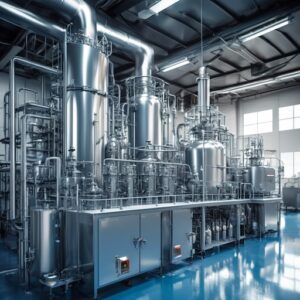
In the hospitality industry, the cleanliness, safety, and overall guest experience are paramount. Hotels, being environments where people from diverse backgrounds come together, need to maintain high standards of hygiene and safety. To achieve this, hotels often rely on a range of chemical products, from cleaning agents to disinfectants and even maintenance chemicals. However, while purchasing ready-made chemical products is a common practice, there are scenarios where a hotel might find it beneficial to engage in chemical manufacturing. This article explores the circumstances under which a hotel would need chemical manufacturing, delving into the benefits, challenges, and specific needs that drive this decision.
The Importance of Chemicals in Hotels
Chemicals play a crucial role in the daily operations of a hotel. They are used in various aspects including housekeeping, laundry, kitchen sanitation, pool maintenance, pest control, and general maintenance. These chemicals ensure that the hotel environment is clean, safe, and pleasant for guests and staff alike.
Housekeeping: Cleaning chemicals such as detergents, disinfectants, glass cleaners, and air fresheners are essential for maintaining guest rooms and common areas. These products help in removing dirt, stains, and pathogens, ensuring a clean and hygienic environment.
Laundry: The laundry department uses a range of chemicals including detergents, fabric softeners, bleaches, and stain removers to keep linens, towels, and other fabrics clean and fresh. These chemicals must be effective yet gentle to avoid damaging fabrics.
Kitchen Sanitation: Food safety is a top priority in hotel kitchens. Sanitizers, degreasers, and dishwashing detergents are used to maintain cleanliness and hygiene in food preparation and serving areas.
Pool Maintenance: Chemicals like chlorine, pH balancers, and algaecides are necessary for maintaining the cleanliness and safety of swimming pools and spas.
Pest Control: Hotels often need to manage pests such as insects and rodents. Pesticides and other pest control chemicals are crucial in this regard.
General Maintenance: Maintenance chemicals such as lubricants, rust removers, and solvents are used for the upkeep of various hotel facilities and equipment.
When Would a Hotel Need Chemical Manufacturing?
While most hotels purchase ready-made chemical products from suppliers, there are specific scenarios where chemical manufacturing becomes a viable option. These scenarios typically involve large-scale operations, unique requirements, or cost considerations.
Large-Scale Operations
Large hotels, especially chains with multiple properties, often have significant and consistent demand for various chemicals. In such cases, manufacturing chemicals in-house or through a dedicated partner can lead to substantial cost savings. By producing chemicals in bulk, hotels can benefit from economies of scale, reducing the per-unit cost of each chemical product.
For example, a hotel chain with hundreds of properties can establish a centralized chemical manufacturing facility that supplies all its locations. This approach not only reduces costs but also ensures consistency in the quality and formulation of the chemicals used across all properties.
Custom Formulations
Hotels may have unique needs that off-the-shelf chemical products cannot adequately meet. In such cases, custom formulations are required. For instance, a hotel located in an area with hard water might need a specially formulated detergent that works effectively under these conditions. Similarly, hotels with eco-friendly policies might require green cleaning products that are biodegradable and free from harmful chemicals.
By engaging in chemical manufacturing, hotels can develop and produce custom formulations tailored to their specific needs. This level of customization ensures that the chemicals used are not only effective but also aligned with the hotel’s operational and environmental goals.
Quality Control
Quality control is a critical aspect of hotel operations. By manufacturing chemicals in-house, hotels can have greater control over the quality of the products they use. This control extends to the selection of raw materials, the manufacturing process, and the final product testing.
For example, a hotel that prioritizes guest safety might prefer to manufacture its own disinfectants to ensure they meet the highest standards of efficacy and safety. This approach can also help in avoiding counterfeit or substandard products that might otherwise be purchased from third-party suppliers.
Cost Considerations
Cost is a significant factor in any business decision. For hotels, the cost of purchasing chemicals can add up quickly, especially for large properties or chains. By manufacturing chemicals in-house, hotels can reduce their reliance on external suppliers and potentially lower their overall costs.
Moreover, hotels can optimize their chemical formulations to use the most cost-effective ingredients while still achieving the desired performance. This flexibility can lead to further cost savings without compromising on quality.
Environmental Responsibility
Many hotels today are committed to sustainability and environmental responsibility. By manufacturing their own chemicals, hotels can ensure that their products are environmentally friendly and meet specific sustainability criteria. This might include using biodegradable ingredients, reducing packaging waste, and minimizing the carbon footprint of the manufacturing process.
Hotels can also develop green certifications for their in-house chemicals, which can be a valuable marketing point to attract environmentally conscious guests.
Challenges of Chemical Manufacturing for Hotels
While there are clear benefits to chemical manufacturing, it also comes with its own set of challenges. Hotels considering this option must weigh these challenges carefully.
Initial Investment
Setting up a chemical manufacturing facility requires significant initial investment. This includes the cost of equipment, raw materials, and skilled labor. Hotels must also invest in research and development to create effective and safe chemical formulations.
Regulatory Compliance
Chemical manufacturing is subject to strict regulatory oversight. Hotels must comply with local, state, and federal regulations regarding the production, storage, and disposal of chemicals. This compliance can be complex and time-consuming, requiring dedicated resources and expertise.
Expertise and Training
Manufacturing chemicals requires specialized knowledge and skills. Hotels must hire or train staff with expertise in chemical engineering, safety protocols, and quality control. Ongoing training and education are essential to keep up with industry advancements and regulatory changes.
Safety Concerns
Handling chemicals, especially in large quantities, poses safety risks. Hotels must implement rigorous safety protocols to protect their employees and guests from potential hazards. This includes proper storage, handling, and disposal of chemicals, as well as emergency response plans.
Ongoing Maintenance
A chemical manufacturing facility requires regular maintenance to ensure it operates efficiently and safely. This includes routine inspections, equipment servicing, and compliance audits. Hotels must allocate resources for the ongoing upkeep of their manufacturing operations.
Conclusion
In the competitive hospitality industry, maintaining high standards of cleanliness, safety, and guest satisfaction is crucial. While purchasing ready-made chemical products is a common practice, there are scenarios where hotels might benefit from chemical manufacturing near me. Large-scale operations, custom formulations, quality control, cost considerations, and environmental responsibility are key factors driving this decision.
However, hotels must also consider the challenges associated with chemical manufacturing, including initial investment, regulatory compliance, expertise requirements, safety concerns, and ongoing maintenance. By carefully weighing the benefits and challenges, hotels can make informed decisions about whether chemical manufacturing is the right choice for their operations.
Ultimately, the decision to engage in chemical manufacturing should align with the hotel’s strategic goals, operational needs, and commitment to providing an exceptional guest experience.